English
 Deutsch
 عربى
عربىNews
Living space keeps shrinking in cities around the world, and the furniture inside it has had to change accordingly. A studio apartment offers little room for compromise. Every piece has to justify its footprint, and anything that serves only one purpose starts to look like a liability rather than an asset. That shift in thinking is exactly why the Integrated Sofa Bed has moved from a niche product into something that apartment dwellers, interior designers, and property developers actively seek out. It is not just about saving floor space. It is about rethinking what a room can do when the furniture inside it works harder.
Urban Apartments Are Getting Smaller, Not Larger
The trajectory is clear across most major cities. New residential units are being built at smaller floor areas than previous generations of housing. Rental costs have pushed people toward studios and compact one-bedroom layouts. Co-living arrangements, short-term rentals, and serviced apartment models all operate on the assumption that less square footage is available per person than it used to be.
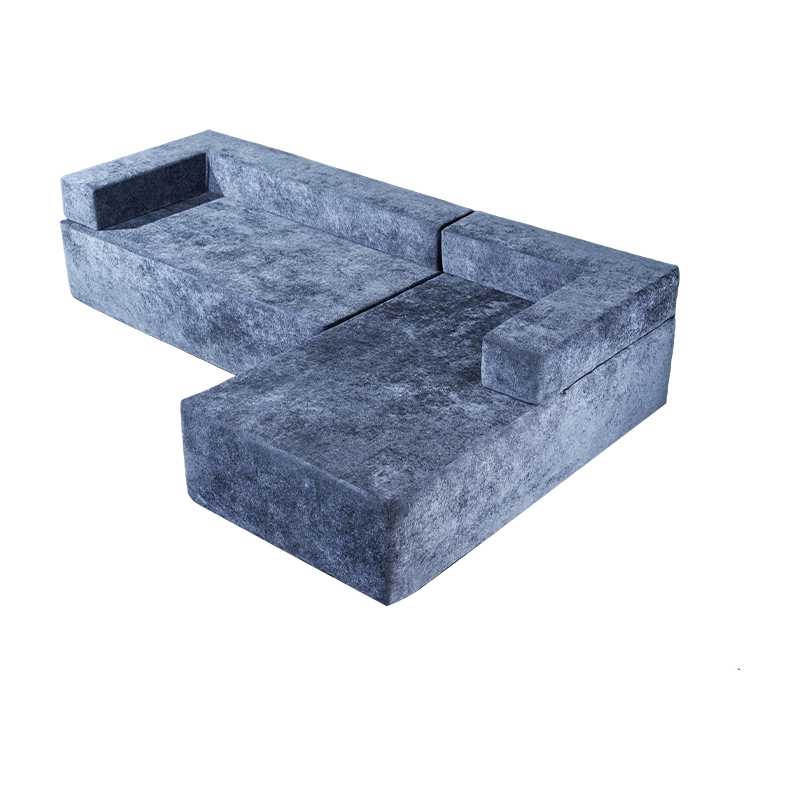
Furniture choices follow from that reality. A full-size sofa and a separate bed frame simply do not fit comfortably into many modern floor plans without the room feeling cluttered and difficult to move through. Something had to give, and the traditional two-piece living and sleeping setup was the obvious candidate.
What Is an Integrated Sofa Bed, Exactly?
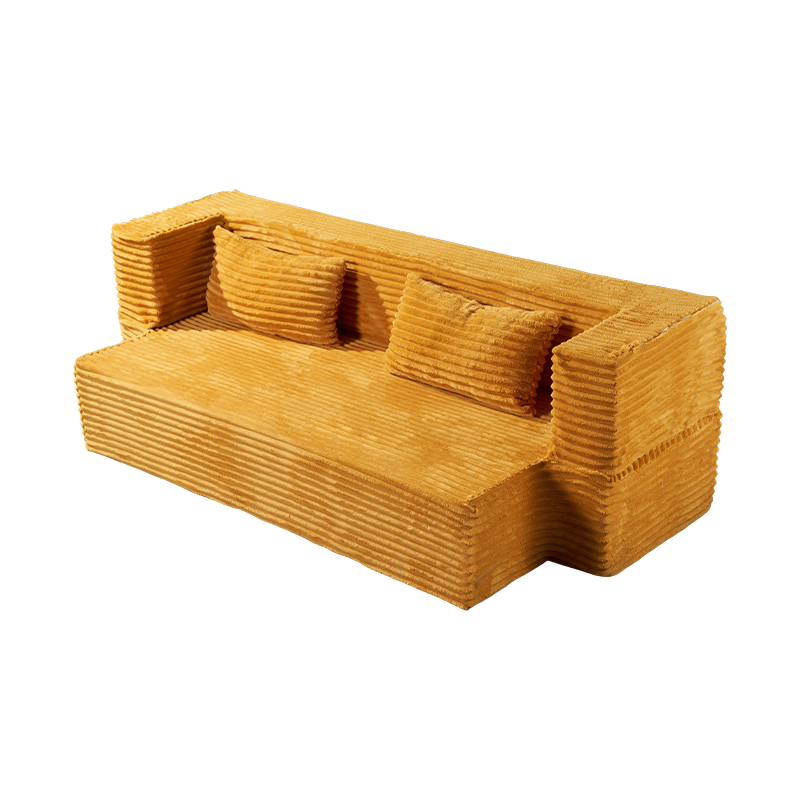
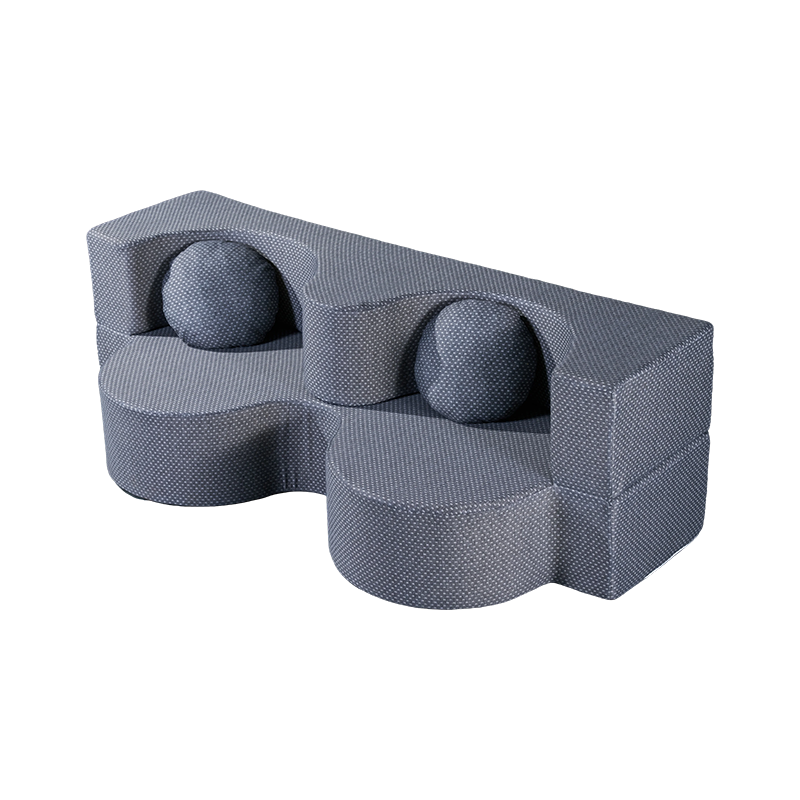
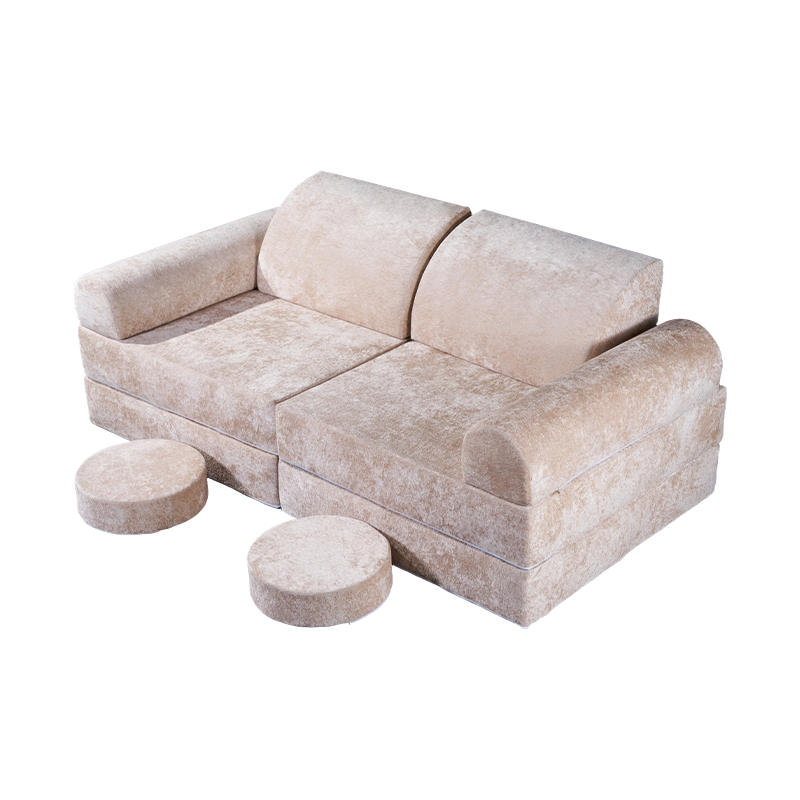
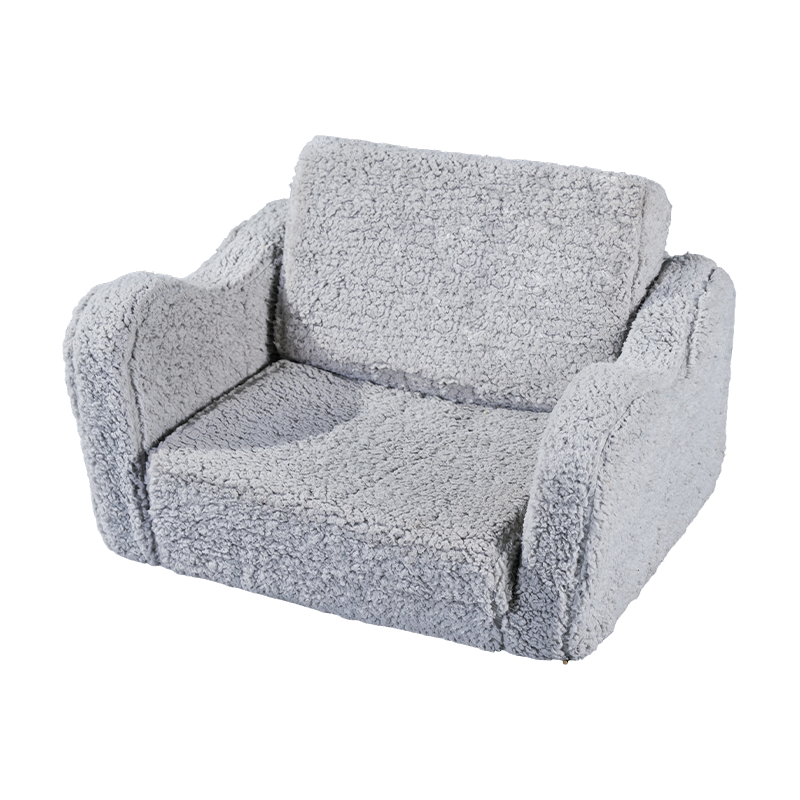
The term covers a specific category of furniture: a single unit that functions as a seating piece during the day and converts into a sleeping surface at night. The conversion mechanism varies by design, but the core idea is that the sofa and the bed share the same frame and materials rather than being separate items stored alongside each other.
What separates a well-designed version from a basic folding couch:
- The sleeping surface is sized appropriately for actual adult use, not just as a stopgap
- The transition between sofa and bed configuration is smooth and does not require significant effort
- The foam or spring system inside supports both sitting posture and lying down comfortably
- The overall frame dimensions are calculated to fit standard apartment room sizes without dominating the space
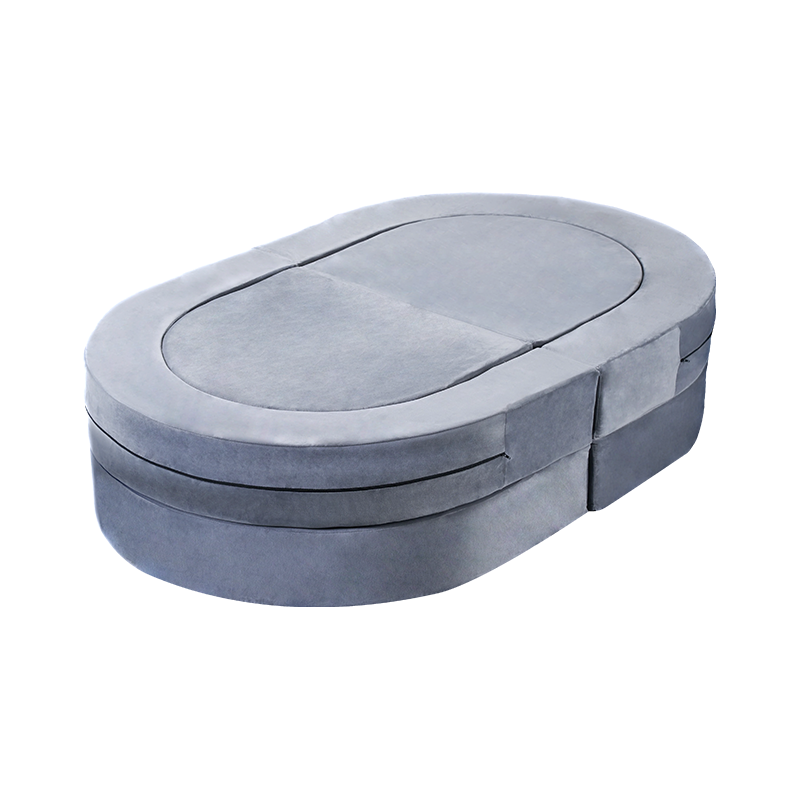
It is worth noting that compressed packaging is part of what makes this category practical for modern retail and logistics. Furniture shipped in compressed form arrives in a fraction of the volume of traditionally packaged pieces, which reduces delivery complexity significantly.
The Space Problem Is Not Just About Size
Square Footage Alone Does Not Tell the Full Story
A room that is sixty square meters can feel cramped or spacious depending almost entirely on how the furniture is arranged and how much floor area remains clear. Separate sofa and bed configurations in a small apartment create two zones that each demand dedicated floor space, leaving little room for circulation or flexible use.
When a single convertible piece handles both functions, the floor plan opens up. During the day, the room reads as a living space. At night, it becomes a bedroom. That flexibility is not a minor convenience. In a studio or compact one-bedroom apartment, it is the difference between a livable space and one that feels permanently overcrowded.
Does Furniture Arrangement Affect How a Room Feels?
Absolutely, and interior designers have understood this for decades. Rooms with less furniture but more considered placement feel larger and more functional than rooms packed with pieces that each serve a single purpose. The psychological effect of open floor space is well-documented in residential design.
Multifunctional furniture supports that principle directly. Fewer pieces means fewer decisions about placement, fewer conflicts between zones, and more visual breathing room. A compressed sofa bed that tucks neatly against a wall during the day contributes to that sense of space in a way that a fixed bed frame never could.
Why Rental Properties and Short-Term Accommodation Drive Demand
Landlords and Property Managers Face Distinct Pressures
The calculation looks different when the furniture is chosen by a landlord or property manager rather than a personal occupant. A furnished rental unit needs to appeal to a wide range of tenants, accommodate various sleeping arrangements, and hold up through multiple tenancies without requiring frequent replacement.
A convertible sofa-bed arrangement checks several of those requirements at once:
- It reduces the number of individual furniture pieces the landlord needs to purchase and maintain
- It makes the unit more appealing to solo renters who might occasionally need a guest sleeping arrangement
- It works in studios and small apartments where a separate bedroom is not available
- It photographs well for listings, which matters in a competitive rental market
Short-term rental platforms have accelerated this trend further. Properties listed for nightly or weekly stays benefit from layouts that look attractive in photos and function well for guests arriving with varied needs. A well-chosen sofa bed serves both purposes without requiring the host to configure the room differently for each guest.
Are Airbnb-Style Properties Changing Furniture Buying Patterns?
There is strong evidence that they are. Property hosts operating in the short-term rental market have become a significant buyer segment for compact, convertible furniture. Their priorities differ from traditional home buyers: durability, ease of use by unfamiliar guests, and visual appeal in a confined space all rank highly.
The compressed sofa category fits neatly into that profile. Units that can be set up quickly after delivery, converted easily between configurations, and cleaned without difficulty are genuinely useful in a high-turnover accommodation context.
The Cost Efficiency Argument
Buying One Piece Instead of Two Has Obvious Financial Logic
Purchasing a sofa and a bed separately involves two budgets, two deliveries, and two pieces of furniture competing for the same limited floor space. For someone furnishing a studio apartment from scratch, that approach adds up quickly, and the result is often a room where the furniture feels like it does not quite fit.
A single integrated unit changes that math. One purchase covers both functions, one delivery handles the setup, and the room ends up with more usable space than it would with two dedicated pieces.
There are also longer-term cost considerations:
- A well-constructed convertible piece used across multiple years represents a lower cost per use than separately replaced sofa and mattress
- Renters who move frequently benefit from having fewer large items to transport or dispose of
- Property developers furnishing multiple units can standardize on a single SKU rather than managing separate sofa and bed specifications
Does a Compressed Sofa Bed Hold Up to Regular Use?
Durability is a reasonable concern for any furniture that serves dual functions. The answer depends heavily on the construction quality of the specific product, particularly the frame material, the hinge or conversion mechanism, and the foam density used in the cushions.
Products built with adequate frame reinforcement and appropriate foam grades can handle daily use across both configurations without showing accelerated wear. The key is that the manufacturer has designed the piece for repeated conversion rather than treating it as an occasional-use item.
Compressed Packaging: Why It Matters for Delivery and Setup
One practical aspect of this furniture category that does not always get discussed is how it arrives. Compressed packaging allows a full-size sofa bed to be shipped in a box that a single person can manage, carried through a standard apartment doorway, and set up without professional installation.
That matters more than it might seem. Anyone who has tried to maneuver a traditional sofa through a narrow hallway in an apartment building understands why. Compressed furniture eliminates that problem at the delivery stage and gives buyers more control over when and how the piece is installed.
After unboxing, the foam expands to its full form over a short period. The process is straightforward and does not require tools in most cases. For apartment dwellers without easy access to freight elevators or large loading areas, this is a meaningful practical advantage.
Comparing Furniture Approaches for Small Apartments
Different furniture configurations handle the sofa-and-bed problem in different ways, with varying tradeoffs across space use, cost, and practicality.
| Furniture Approach | Space Used | Cost Range | Guest Sleeping | Setup Complexity |
|---|---|---|---|---|
| Separate sofa and bed | High | Higher overall | Requires dedicated space | Standard |
| Sofa with pull-out frame | Medium | Moderate | Functional but limited comfort | Moderate |
| Integrated sofa bed | Low to medium | Single purchase | Built-in solution | Low |
| Wall-mounted fold-down bed | Low | Variable | Functional | Requires installation |
| Floor mattress only | Low | Low | Minimal comfort | None |
The Integrated Sofa Bed sits in a practical middle ground. It does not require wall mounting or structural modification, it handles both daily use and guest accommodation, and it fits within a budget that most apartment furnishers can work with.
Design Trends Are Pushing in the Same Direction
Modern Interiors Favor Fewer, More Considered Pieces
The aesthetic direction of contemporary interior design has moved away from rooms filled with furniture toward spaces where fewer pieces carry more visual weight. Minimalist and Scandinavian-influenced design sensibilities have shaped what people expect a well-furnished apartment to look like, and that expectation aligns naturally with convertible furniture.
A sofa bed that looks like a proper sofa during the day, with clean lines and a considered upholstery choice, contributes to that aesthetic rather than compromising it. Earlier generations of sofa beds had a reputation for looking utilitarian or temporary. Current designs have largely moved past that.
How Has Apartment Design Influenced What Furniture Buyers Expect?
Developers and architects working on compact residential projects have incorporated multifunctional furniture thinking into how units are designed. Built-in storage, convertible layouts, and furniture-integrated solutions appear in project specifications in ways they did not a generation ago.
Buyers and renters exposed to those environments come away with higher expectations for what furniture can do in a small space. A piece that handles only one function starts to look inefficient by comparison. The Integrated Sofa Bed benefits directly from that shift in expectations.
Lifestyle Flexibility Is the Underlying Driver
People's living situations change more frequently than they used to. Career moves, relationship changes, travel, and remote work have made fluid living arrangements more common. Someone might be in a studio apartment for two years, share a larger place for a while, then move back into a compact space.
Furniture that adapts to those transitions without requiring a complete replacement cycle has genuine lifestyle value. A well-chosen sofa bed moves between situations without becoming a liability. It works in a studio, in a spare room, in a short-term rental, and in a co-living arrangement.
That flexibility is harder to put a price on, but it is part of why this category has grown steadily in appeal across urban housing markets.
Finding the Right Supplier for This Category
For buyers sourcing convertible sofa beds at volume, whether for a furnished rental portfolio, a hospitality project, or retail distribution, the manufacturing quality and supply chain reliability behind the product matters considerably. The foam specification, frame construction, and packaging method all vary between manufacturers, and those differences affect how the product performs over time. Taizhou Lishida New Material Technology Co., Ltd. manufactures compressed sofa beds and related convertible furniture with a focus on material quality and packaging designed for modern logistics. For buyers working through specific product requirements, volume considerations, or OEM configurations, their team can discuss what is feasible within a given project scope. If you are evaluating suppliers for this category and want to understand what a factory-level conversation looks like, reaching out with your application details is a practical starting point.
 Previous