English
 Deutsch
 عربى
عربىNews
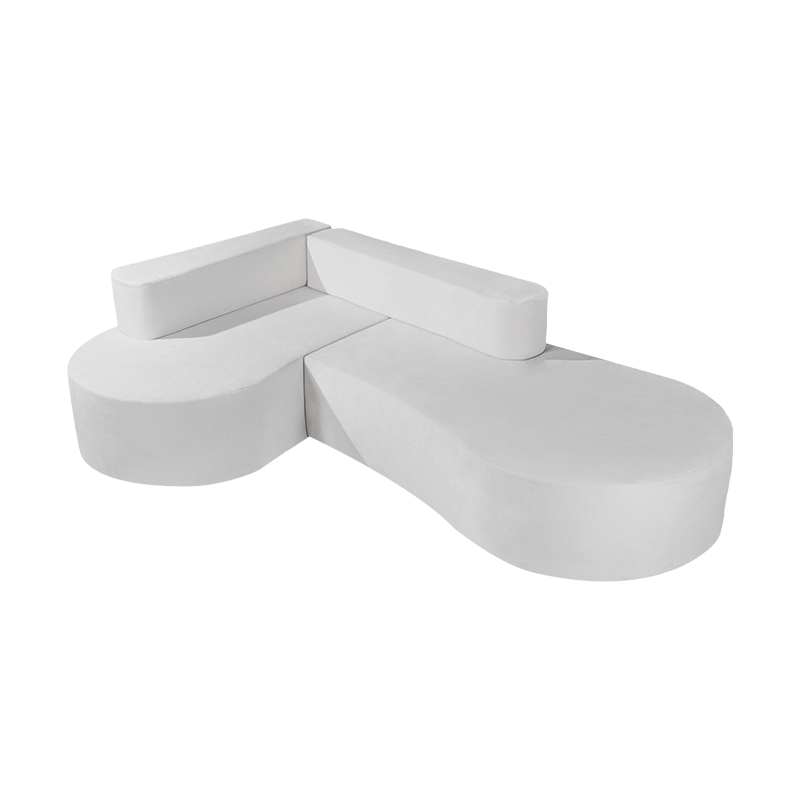
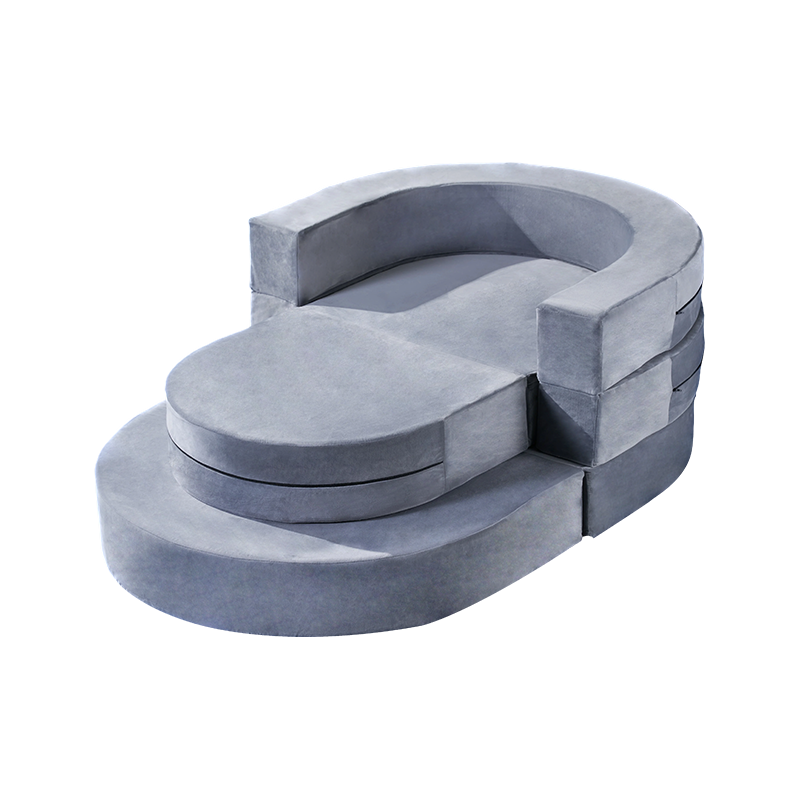
The box arrived on time, the delivery team got it through the door, and now it is sitting in the middle of the room looking nothing like the product you ordered — compressed, tightly wrapped, and not obviously a sofa at all. For anyone receiving an integrated sofa bed that has been vacuum-packed or compressed for shipping, the gap between the packaged state and the functional furniture piece is real and sometimes disorienting. The unpacking and expansion process matters more than most people expect: done carelessly, it can cause permanent creasing, stress damage to the mechanism, or foam that never fully recovers to its intended shape. Done correctly, it sets the product up to perform exactly as designed from the beginning.
Why Sofa Beds Are Shipped in Compressed Form
Understanding the reason behind compression packaging helps explain why the expansion process needs to be treated with some care rather than approached like opening a regular furniture box.
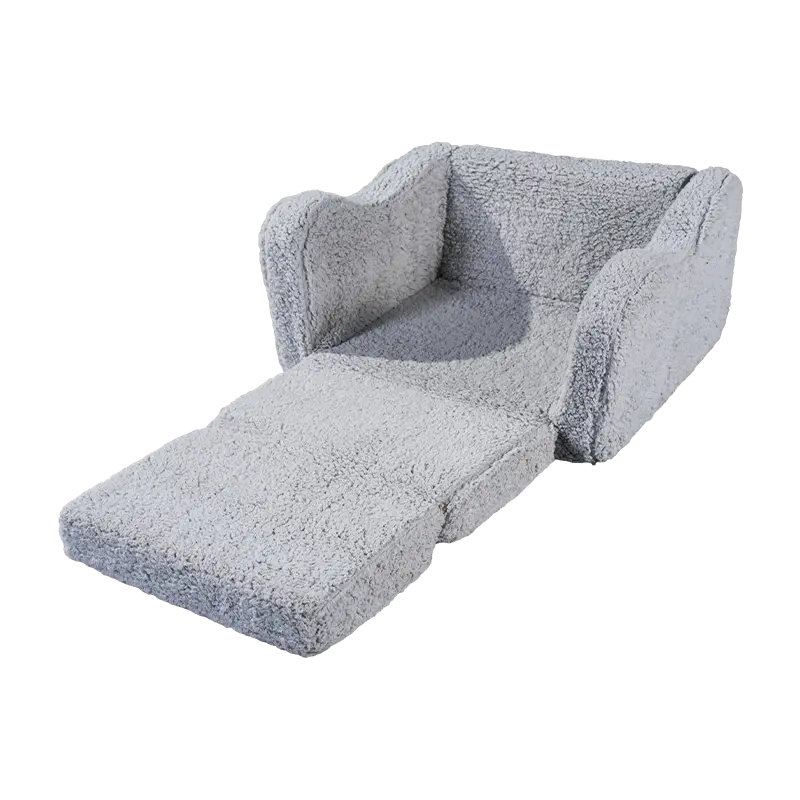
Compression packaging reduces a bulky, awkward piece of furniture into a denser, lighter, more manageable parcel. For e-commerce logistics — where couriers, sorting facilities, and delivery teams handle thousands of packages — a compressed sofa bed travels far more efficiently than one shipped in its full expanded form. It fits into smaller vehicles, stacks more cleanly in warehouses, and reduces the risk of transit damage because the product is secured tightly within its packaging rather than shifting inside a large box.
The compression itself does not damage the product — provided it is reversed correctly after delivery. Foam materials used in sofa beds and mattress pads are designed to compress and recover repeatedly. The structural mechanisms in an integrated sofa bed are engineered to withstand the forces applied during packaging. What the product needs is the right conditions and sufficient time to complete that recovery before it is used.
What to Prepare Before You Begin Unpacking
Jumping straight into unpacking without a moment of preparation leads to avoidable problems — scratched floors, awkward situations with sharp packaging materials near upholstered surfaces, or a half-unpacked sofa stuck in a doorway.
Clear the space first:
A compressed sofa bed is much easier to move than a fully expanded one. Use this window to position it in the room where it will live before cutting any packaging. Trying to reposition the furniture after it has expanded requires considerably more effort and risks floor scratches or wall scuffs.
Have the right tools ready:
- Scissors or a box cutter — used carefully to cut outer cardboard rather than the inner vacuum wrap
- A second person helps significantly, particularly when the product is heavy or when the initial expansion makes it unwieldy
- Gloves to protect hands from staples and plastic strapping
- A clean floor surface or a mat to protect the upholstery during unpacking
Read the manufacturer's instructions:
If any instruction sheet came with the product, read it before starting. Some integrated sofa bed mechanisms have specific unlocking steps that need to happen before the body can be expanded safely. Operating the mechanism out of sequence can strain the hinges or lock components.
Step-by-Step: The Unpacking Process
The sequence matters here. Moving through unpacking in the right order avoids situations where cutting the vacuum wrap too early or removing support packaging prematurely causes the product to shift or expand at an angle.
Step 1 — Remove outer packaging
Cut the strapping and open the outer cardboard carefully. Use scissors rather than a box cutter close to the product surface — cardboard punctures easily but upholstery does not recover from cuts. Remove cardboard panels one at a time, working around the product.
Step 2 — Identify the vacuum wrap layer
Beneath the cardboard, most compressed sofa beds have a layer of plastic vacuum wrap holding the foam or cushioning in its compressed state. Do not cut this yet. First confirm that the product is positioned flat on the floor in the room where it will be used.
Step 3 — Cut and remove the vacuum wrap
Cut the vacuum wrap along one edge, moving away from upholstered surfaces. Once cut, air will begin entering the compressed material and the product will start to expand. Remove the plastic wrap fully before the expansion progresses too far — plastic caught in an expanding mechanism creates a problem.
Step 4 — Allow initial expansion
Once the vacuum wrap is removed, the foam or spring components will begin expanding. Do not attempt to use the product yet. Allow it to sit undisturbed in a flat position, ideally with the room ventilated, for the initial expansion phase.
Step 5 — Check for mechanism locks or transport fasteners
Some integrated sofa bed designs include transport locks — small bolts, zip ties, or straps that prevent the mechanism from moving during shipping. These need to be removed before the mechanism is operated. Check along the hinge points and base structure for any fasteners that are not part of the permanent design.
Step 6 — Gently operate the mechanism
Once transport fasteners are removed and the initial expansion has occurred, try the sofa-to-bed mechanism slowly. Do not force it. The mechanism should move smoothly; resistance usually indicates either a remaining transport lock or a component that needs to seat properly before the motion is complete.
How Long Does Full Expansion Take?
This is the question that generates the most impatience — and the most consequential misunderstanding. The honest answer is that it varies by material type and the degree of compression applied during packaging.
Foam-based integrated sofa beds — where the seat cushions, back cushions, or mattress element use foam of any density — need time to fully recover their intended thickness and firmness. Foam that was tightly compressed returns to shape gradually as the cellular structure reabsorbs air. The surface may feel uneven or the cushions may look slightly misshapen for a period after unpacking. This is normal and does not indicate a product defect.
Spring-assisted or hybrid designs (foam over spring components) typically recover more quickly than pure foam designs because the spring structure assists in pushing the foam back to its intended shape. However, the spring components themselves may need to settle into their correct position after the compression forces are released.
Practical guidance:
- Allow at least a full day before evaluating whether the product has expanded to its intended shape
- For products with dense or high-thickness foam, a longer settling period produces a more complete recovery
- Using the product lightly — sitting in the sofa configuration before sleeping on the bed configuration — can help work the cushioning material back to its full shape
- Avoid sleeping on the mattress element until expansion feels complete, particularly if the foam still feels noticeably firm or uneven
Managing the Smell That Comes With New Foam
A mild odor after unpacking a compressed foam product is normal. It comes from the off-gassing of compounds within the foam material itself — not from chemicals added during manufacturing or packaging, but from the foam's base chemistry interacting with air as it expands.
The intensity and duration of the smell varies between products and materials. It is generally more noticeable in the first few days after unpacking and dissipates naturally as the foam continues to off-gas and air circulates through the material.
To accelerate odor clearance:
- Keep the room well-ventilated during and after unpacking — open windows where possible
- Allow the sofa bed to air out before placing cushion covers back on, if the covers were removed during unpacking
- Avoid trapping the product under a blanket or cover during the initial expansion period, as this slows ventilation
- Placing the product in a naturally ventilated room rather than a closed space speeds the process
The smell does not indicate a health concern in products made with standard furniture foam. If the odor is sharp or chemical rather than slightly sweet and foam-like, contact the manufacturer or supplier to confirm the material specification.
What Happens If the Foam Does Not Fully Recover?
Partial recovery — where foam or cushioning does not return to its full intended thickness — can occur if expansion conditions are not right. Understanding the causes helps distinguish between a product that needs more time and one that may have been damaged.
Common reasons for incomplete recovery:
- Insufficient time: The most frequent cause. Foam needs more time than most people expect, particularly in cold environments where the cellular structure moves more slowly.
- Cold room temperature: Foam expands more slowly in cold conditions. A room that is consistently cold during the expansion period will delay full recovery. Moving the product to a warmer environment, or simply waiting longer, typically resolves this.
- Weight applied too soon: Sitting or lying on the product before expansion is complete compresses the foam again before it has fully recovered. This does not cause permanent damage in most cases, but it does reset the recovery clock.
- Creasing from improper storage during transit: If the product was stored or transported at an angle or with significant weight on one section, the foam may have developed a set in that area. Gentle manipulation and additional expansion time usually address this; severe creasing from very long compression periods is less recoverable.
If recovery genuinely appears incomplete after an extended expansion period under normal conditions, this is worth documenting and raising with the supplier — it may indicate a material quality issue that falls within warranty scope.
Expansion and Recovery Summary by Material Type
| Component | Material Type | Typical Recovery Behavior | Accelerating Factors |
|---|---|---|---|
| Seat cushions | Standard polyurethane foam | Recovers within a day in most cases | Warm room, light use during recovery |
| Back cushions | Soft or low-density foam | Recovers relatively quickly, may stay slightly soft initially | Allow to air freely, no compression |
| Mattress element | High-density or memory foam | Slower recovery, may take longer with dense grades | Warm environment, extended time |
| Frame and mechanism | Metal or engineered wood | No recovery needed; check for transport fasteners | Remove all transit locks before use |
| Spring core (if present) | Pocket springs or coil springs | Rapid recovery once vacuum released | Operate mechanism gently to seat springs |
| Surface fabric | Knit or stretch upholstery | May show compression marks initially | Smooth by hand, marks typically fade |
Reading across the rows helps calibrate expectations for each part of the product separately. The foam mattress element almost always needs more recovery time than the seating cushions; the frame needs no recovery but may need inspection for transport damage.
Common Mistakes to Avoid During Setup
Knowing what not to do is as useful as knowing the correct steps. Several common mistakes slow recovery, create unnecessary maintenance issues, or risk damage to the product.
- Using a sharp blade too close to the upholstery: A cut in the fabric during unpacking is permanent. Use scissors and work from the outer layers inward.
- Forcing the conversion mechanism before expansion is complete: The mechanism is designed to operate within the product's intended shape. Operating it while the cushions are still significantly compressed can stress hinge points and connection hardware.
- Placing heavy items on the sofa immediately: Weight applied before the foam has recovered keeps it compressed and delays recovery. Avoid using the product for sleeping purposes until expansion appears complete.
- Folding the sofa back into bed configuration repeatedly in the first hours: The mechanism should be exercised gently during the initial period, not cycled aggressively. Repeated folding and unfolding before the foam has settled can crease the upholstery at flex points.
- Ignoring an unusual resistance in the mechanism: If the conversion mechanism feels stiff or catches at a particular point, stop and investigate before applying more force. Resistance usually means a transport fastener was missed or a component needs to be repositioned.
Care in the Days After Initial Setup
The setup period does not end when the product looks expanded. The first week of use is when the product fully settles into its functional state, and a few simple habits during this period support long-term performance.
Daily light use is beneficial:
Sitting on the cushions and operating the mechanism regularly during the first week helps the foam settle into its intended shape more completely than leaving it untouched. The mechanical action of sitting and rising works the foam back toward its full profile.
Rotate cushion positions if they are removable:
If the seat and back cushions are separate and reversible, rotating and flipping them during the first week encourages even settling rather than one-sided compression.
Keep covers clean and dry:
The upholstery surface is most vulnerable during the expansion period when the material is still soft and recovering. Avoid spills and heavy contact with rough materials during the first days.
Check the mechanism hardware after the first week:
As the product settles, any bolts or fasteners in the conversion mechanism may have moved slightly. A quick check to confirm all hardware is seated and tightened after the first week is a sensible maintenance step that prevents long-term looseness in the mechanism.
Getting the Setup Right From the Start
An integrated sofa bed that is unpacked and expanded correctly sets itself up for years of reliable use without structural issues, foam memory problems, or mechanism stiffness that develops from poor initial handling. The process is not technically demanding — it requires patience more than skill — but it does require following a sequence and respecting the time the product needs to complete its recovery.
For buyers, retailers, and distributors working with compressed furniture products, the quality of the product at the design and manufacturing stage directly affects how well the expansion process goes for the end user. Products built with high-quality foam, well-toleranced mechanisms, and thoughtful compression packaging recover reliably and predictably. Products where material quality has been compromised create the inconsistent recovery experiences that generate returns and customer service contacts. Taizhou Lishida New Material Technology Co., Ltd. produces foam materials and related components used in integrated sofa bed and compressed furniture applications, supplying manufacturers who need consistent foam recovery performance and reliable material specifications across production runs. For furniture manufacturers, product developers, and procurement teams evaluating foam materials or cushioning components for sofa bed products, reaching out to discuss material specifications, compression and recovery performance requirements, and volume supply arrangements is the practical next step toward a product that performs correctly from the moment the customer opens the box.
 Previous