English
 Deutsch
 عربى
عربىNews
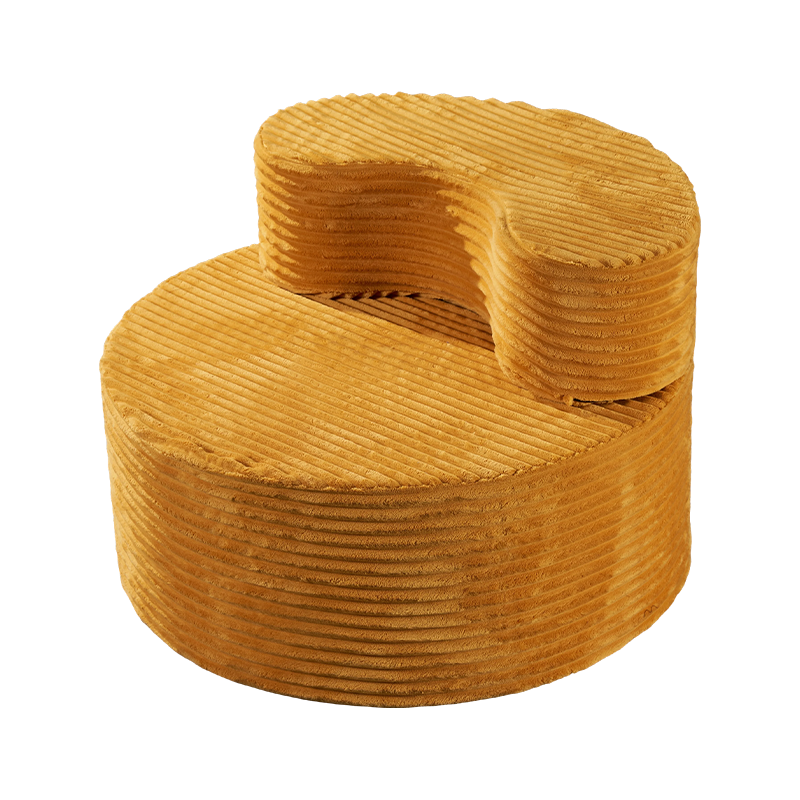
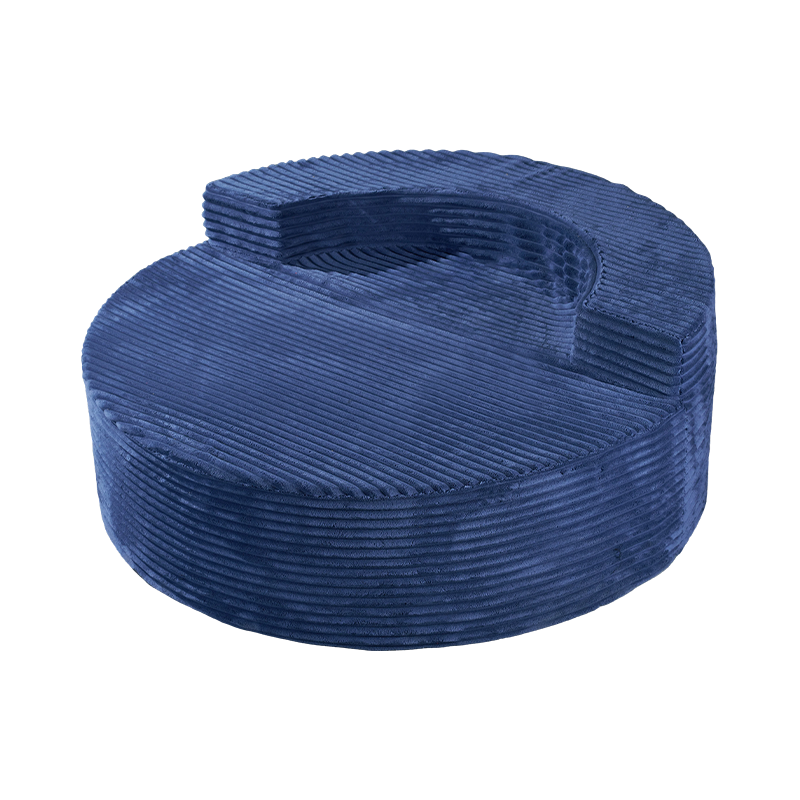
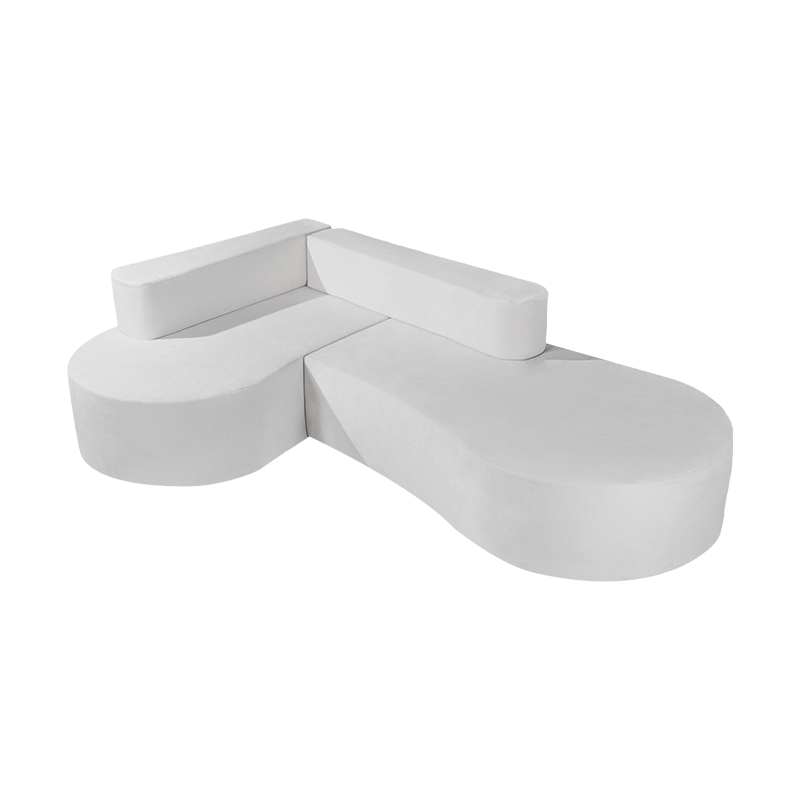
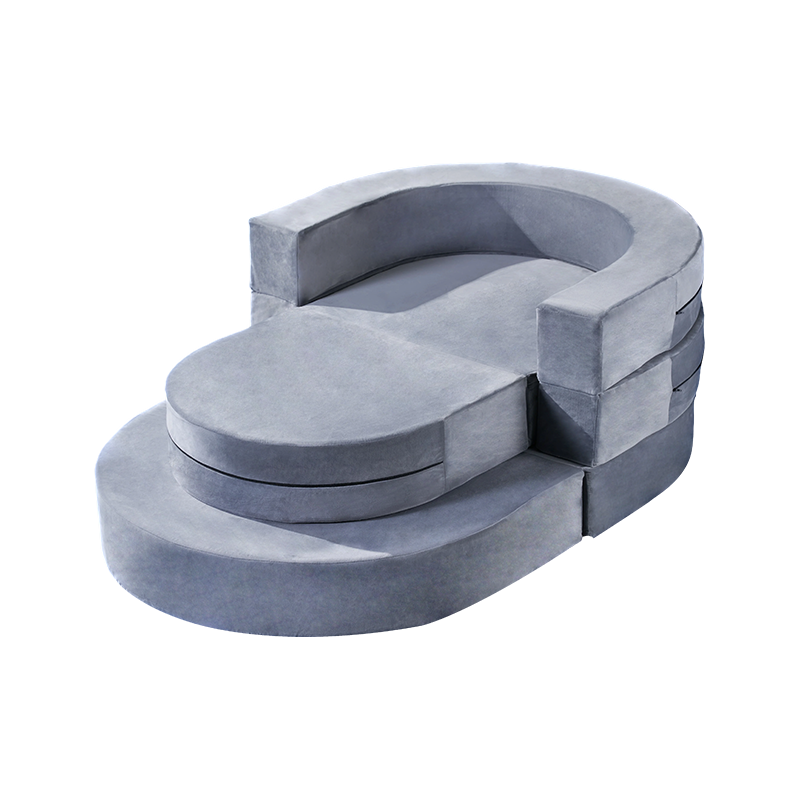
Choosing furniture isn't just about filling an empty corner. A sofa can shift how a room feels, how people naturally move through it, and how comfortable everyday life ends up being in that space. Among the various seating options out there, a Single Seater Round Sofa has picked up a lot of attention lately — mostly thanks to its soft shape, flexible placement, and relaxed, easy-going look. Compared with a traditional straight sofa, a round single seat creates a noticeably different visual feeling. It can end up being a quiet reading corner, a comfortable spot for conversation, or just a decorative piece that gives a room some character. That said, picking the right one takes more than just choosing a style that looks nice in a photo. Room size, design direction, how it'll actually be used, and personal taste all play into the final decision.
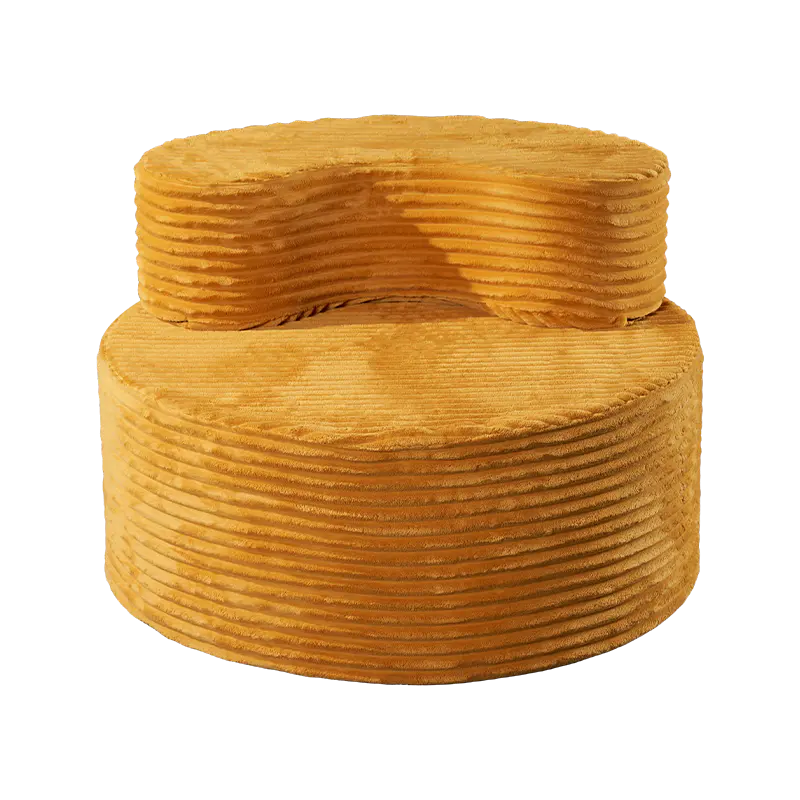
Why Consider a Single Seater Round Sofa in the First Place
A Single Seater Round Sofa strikes a nice balance between comfort and flexibility. A lot of homes these days need furniture that can adapt to different situations — a big sofa doesn't always fit well in an apartment, a bedroom, a reading nook, or any smaller living space.
A round single sofa gives you an individual seating option without taking over the whole room. Some common reasons people go this route:
| Reason | Possible Benefit |
|---|---|
| Flexible placement | Fits different areas of a room |
| Individual seating | Creates a personal relaxation space |
| Unique shape | Adds visual interest to interiors |
| Compact design | Works well in smaller areas |
The curved form can soften a room that's otherwise full of straight lines. It tends to create a warmer atmosphere, and it can turn an unused corner into something that actually feels intentional. For a lot of homeowners, the appeal really comes down to that mix of good looks and genuine practicality.
Matching a Round Sofa to Room Size
Room size plays a big role here. A sofa that looks perfectly comfortable in a showroom can feel completely different once it's sitting in an actual home — the surrounding space, walking paths, and other furniture all affect how well it fits.
Worth thinking about before buying:
- Available floor space
- Distance from other furniture
- How traffic moves through the room
- Open space around the seat itself
A smaller room usually does better with a simple round sofa that doesn't eat up too much visual space. A larger room gives more room to play — the sofa can anchor a reading corner, a lounge area, or a spot for conversation.
The goal isn't just squeezing the sofa into the room. It's making the whole area feel balanced. A well-placed sofa should let people move around naturally while still giving them a comfortable place to sit.
Choosing a Style That Fits Your Interior
Furniture generally works best when it connects with the room's overall style. A round sofa has a pretty distinct shape, so its fabric, color, and finer details end up shaping the mood of the space quite a bit.
| Interior Style | Suitable Sofa Direction |
|---|---|
| Modern spaces | Clean shapes and simple colors |
| Cozy interiors | Soft fabrics and comfortable forms |
| Minimal rooms | Simple designs with fewer details |
| Creative spaces | Unique textures and expressive styles |
A sofa doesn't need to match everything else in the room — sometimes a bit of contrast is what makes a space interesting. A curved sofa can soften a room otherwise full of straight furniture, or become a focal point if placed thoughtfully. The important thing is keeping the overall feeling connected rather than clashing.
How Much Should Comfort Factor Into the Decision?
Looks grab attention first, but comfort is what decides whether a sofa actually gets used. A gorgeous chair that's uncomfortable to sit in tends to become decoration rather than furniture.
Before choosing a round sofa, it helps to think through how it'll actually be used:
- Will it be for reading?
- Will it become a relaxation spot?
- Will guests sit there during visits?
- Will it live in a bedroom or the living room?
Different activities call for different comfort needs. Some people want something soft and relaxed. Others need firmer support for sitting long stretches. The sofa really should match personal habits rather than just personal taste in appearance — comfort is fairly subjective, so choosing based on how it'll be used tends to work out better than choosing on looks alone.
What Materials Are Worth Considering
Material shapes both how a sofa looks and how it feels day to day. Fabric, leather-style upholstery, and other options each bring a different character to the piece.
| Material Consideration | Why It Matters |
|---|---|
| Surface feel | Affects sitting experience |
| Appearance | Influences room style |
| Care needs | Impacts daily maintenance |
| Durability | Relates to long-term use |
A sofa sitting in a busy family area probably needs to be easier to clean. One tucked into a private reading nook can lean more toward softness and looks. What's right really depends on where it's going and how often it'll get used — and it's worth thinking about how the material fits the room's atmosphere overall, since that tends to make the whole space feel more complete.
How a Round Sofa Can Improve Room Layout
Furniture arrangement shapes how a room actually functions. A single sofa doesn't have to sit against a wall — its round shape opens up more creative placement options.
Worth considering:
- Beside a window
- Tucked into a reading corner
- Near a coffee table
- In a bedroom relaxation area
- Inside an open living space
The curved shape can help carve out a distinct zone without needing walls or dividers. Placing a round sofa near a window, for instance, can turn a dead corner into a genuinely comfortable resting spot. In an open-plan room, it can help define different areas while keeping everything visually connected. Good placement really comes down to natural movement and comfortable interaction with the space.
What to Check Before Buying
Before locking in a decision, it's worth reviewing a few practical details — a sofa is a long-term piece of furniture, so small things can affect daily satisfaction more than people expect.
| Check Point | Purpose |
|---|---|
| Room position | Ensures suitable placement |
| Color choice | Matches existing decoration |
| Comfort preference | Fits personal habits |
| Maintenance needs | Supports daily care |
| Overall style | Keeps the room balanced |
It also helps to picture the sofa in the actual space — morning light, nearby furniture, how people will move around it. A sofa shouldn't just look good sitting alone in a photo. It should work naturally with the rest of the room.
Making the Space Feel More Personal
A Single Seater Round Sofa can end up being more than just a place to sit. With the right accessories and placement, it can become a personal corner that genuinely reflects individual taste.
A few simple additions that help:
- A small side table
- A soft blanket
- Decorative cushions
- A nearby lamp
- A bookshelf or plant
These small details shape the feeling of the space. The sofa stops being just a furniture item and becomes part of a lifestyle — a relaxing retreat for someone who enjoys quiet moments, or an extra seating option with a bit of visual flair for someone who likes entertaining.
Choosing the right Single Seater Round Sofa really comes down to balancing space, comfort, design, and everyday needs. The ideal choice depends on how the room actually gets used and what feeling the furniture is meant to create. By thinking through placement, materials, style, and personal preference, a round sofa can end up feeling like a natural part of the room — not just something taking up space in the corner.
 Previous