English
 Deutsch
 عربى
News
A foam density figure is useful, but it does not fully describe how an all-foam sofa feels or supports a seated person. Two foam grades can have the same density and different firmness. Finished geometry, layers and upholstery add further differences, so a single number should not become the entire buying specification.
All-foam sofa specifications need to distinguish material properties from the behaviour of the finished seat. For importers and furniture brands, that distinction makes sample comparisons more informative and repeat orders easier to define. It also prevents a density claim from becoming an unsupported promise about comfort or service life.
Begin with the complete seat construction
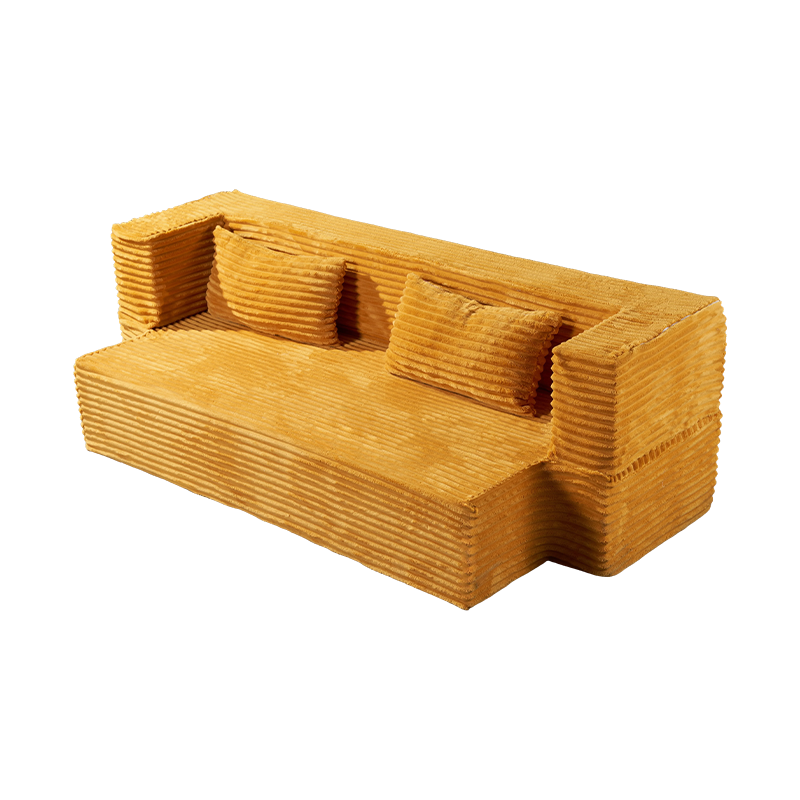
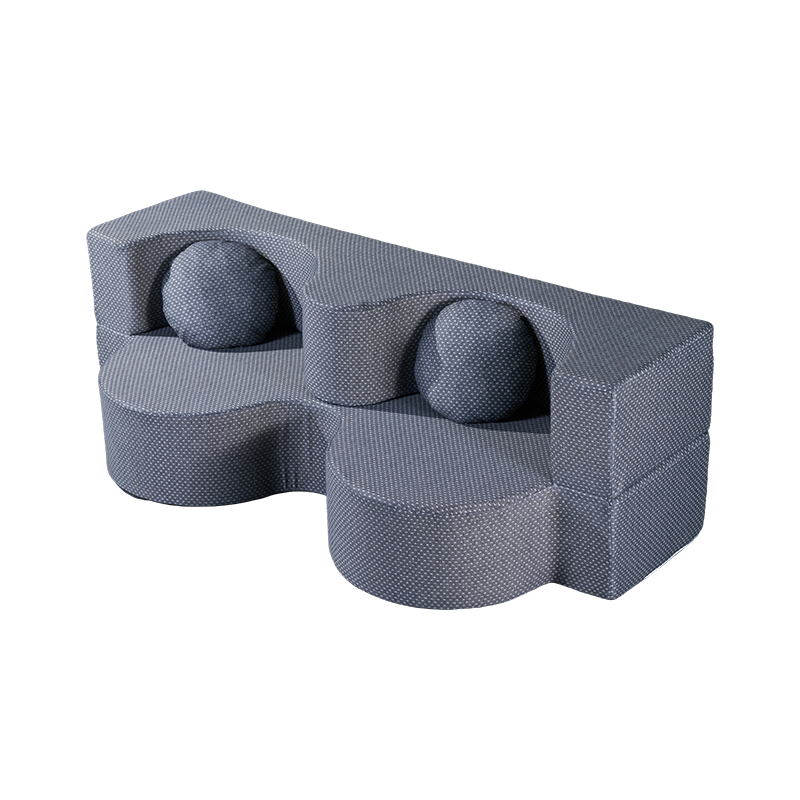
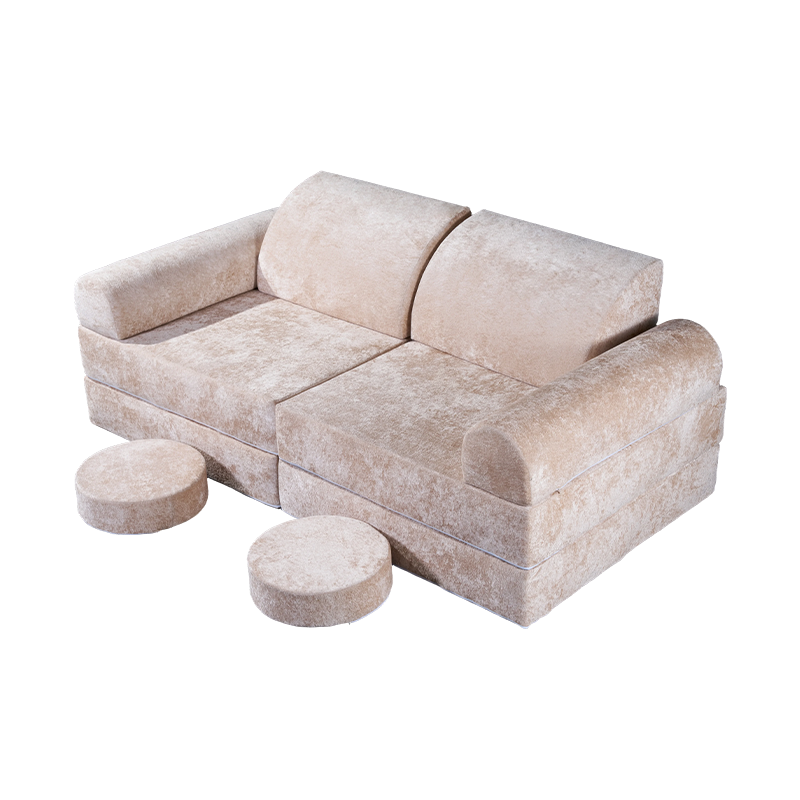
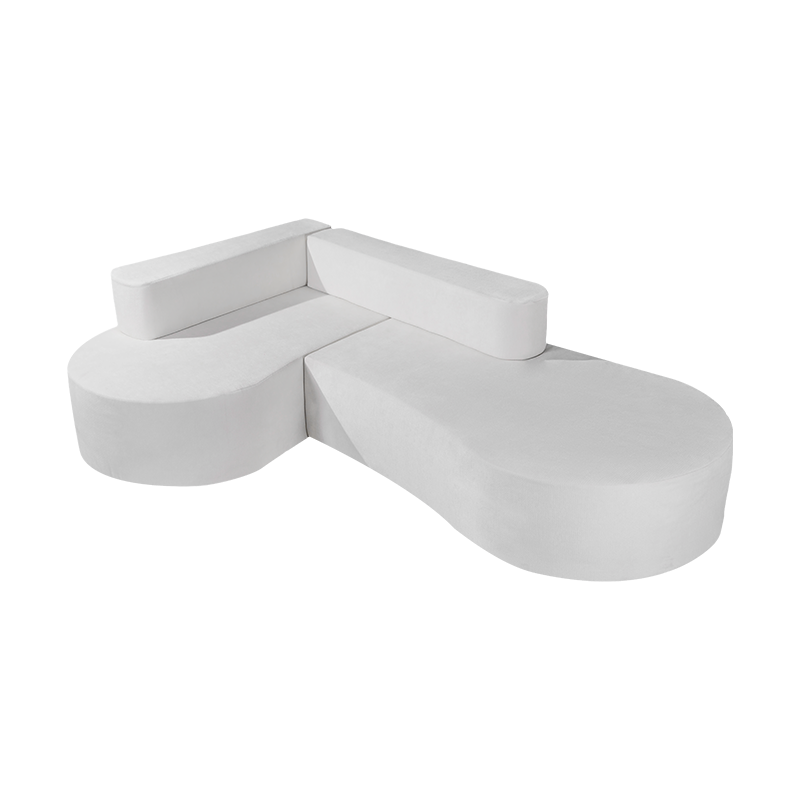
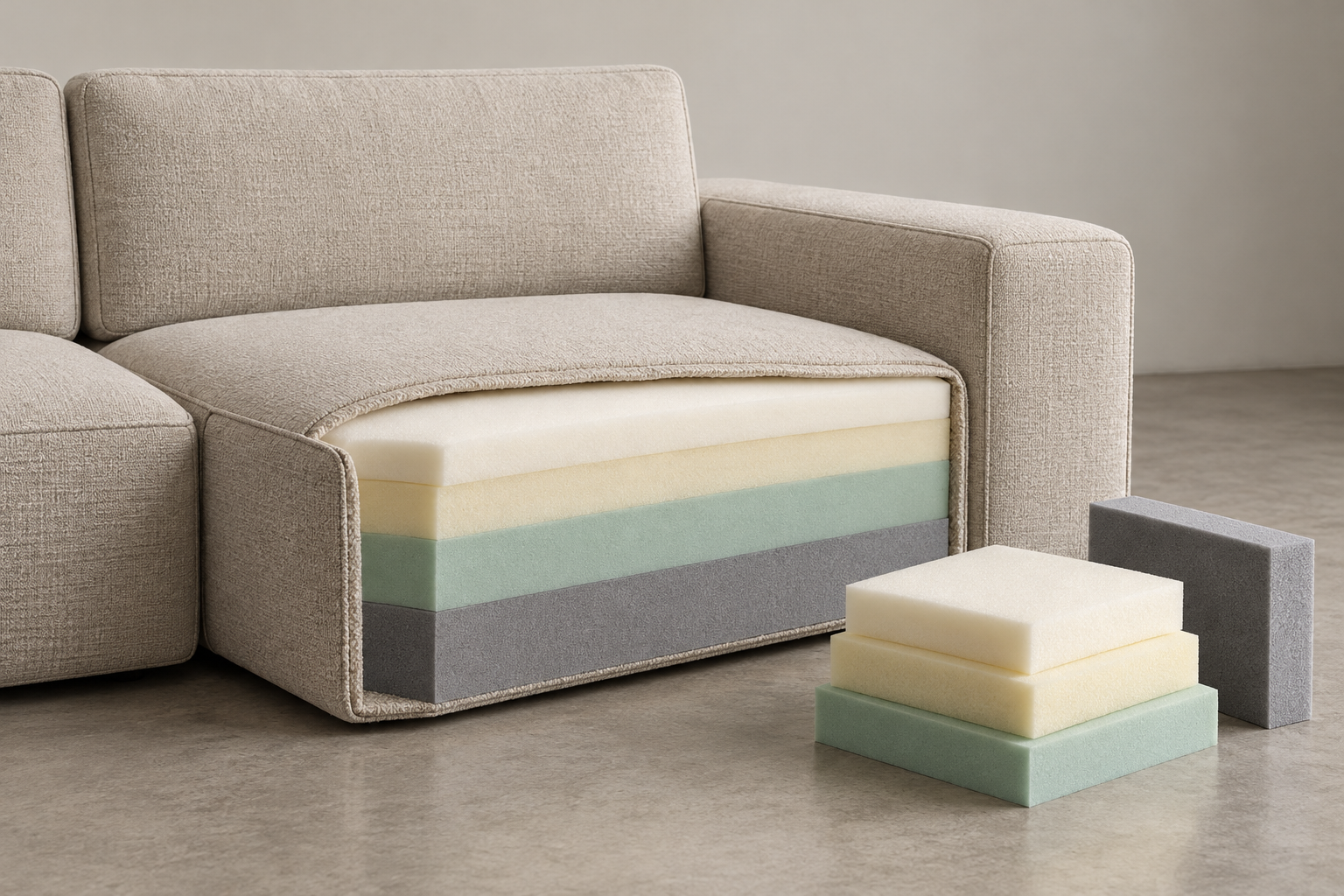
When reviewing modular all-foam sofas, request a description of the selected seat construction. Identify whether it uses one foam grade or several layers, and how those materials are arranged. The visible upholstery does not reveal the complete internal structure.
Record the seat's thickness, shape and supporting arrangement. A deep floor seat and a thinner cushion placed over a rigid support can behave differently even when their foam properties are similar. The product geometry belongs beside the material description.
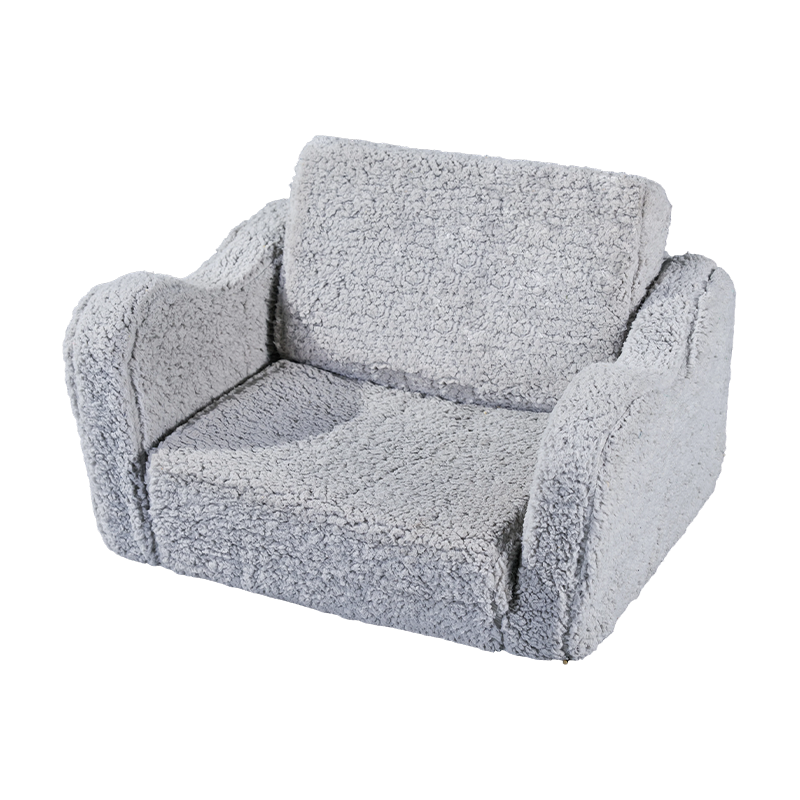
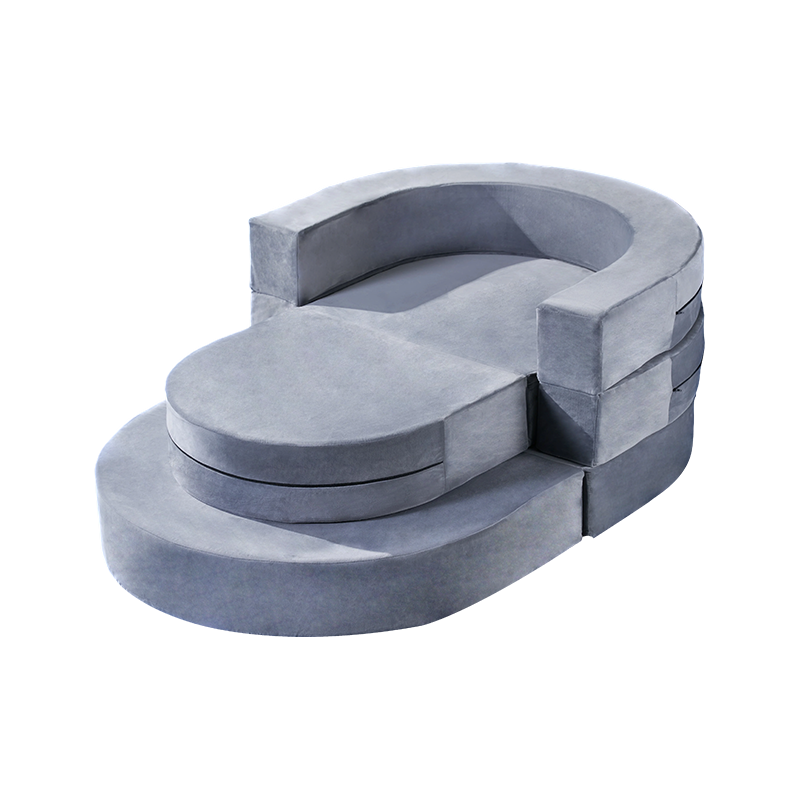
For modular systems, include the backrest and adjoining modules where they affect the seated experience. A foam block evaluated alone is not the complete sofa. Preserve a representative assembled sample so that future material reviews remain connected with the product customers will receive.
Separate foam density and firmness
Foam density describes mass per unit volume. Firmness describes resistance to indentation under a specified measurement. The Polyurethane Foam Association explains that these are independent properties: a high-density foam can be soft, and a lower-density foam can be firm.
That distinction matters when a buyer requests a firmer sofa. Increasing density without specifying firmness may not produce the desired surface feel. Conversely, a firm-feeling sample does not establish its density or durability. Each property needs its own documented value and test basis.
Keep units visible. Density may be expressed in kilograms per cubic metre or pounds per cubic foot, while firmness information can use different methods and reporting units. Do not compare bare numbers without confirming what they measure and whether the methods are comparable.
Understand support beyond the first impression
A seat can feel soft when first pressed yet offer greater resistance under deeper compression. Foam support factor describes a relationship between indentation-force measurements at different compression levels. PFA guidance distinguishes this deeper support behaviour from the surface feel represented by a lower-deflection firmness measurement.
For procurement, ask which measurements are available for the proposed material and which method was used. A support figure should remain attached to its test conditions. It should not be converted into an unqualified maximum user weight or a promise that the finished sofa will never bottom out.
The finished construction also matters. Layer thickness and shape change the way a person interacts with the material. A material-level result provides useful evidence, while the assembled sample shows whether the chosen arrangement meets the buyer's intended seating experience.
Compare samples under consistent conditions
Review the finished samples in a consistent setup, including the same floor or support arrangement. Identify the samples and their material references before comparing them. A vague description such as the softer blue sample is difficult to preserve through a production order.
Allow the manufacturer-recommended preparation and recovery before evaluating a compressed product. A seat viewed immediately after opening may not represent the intended finished condition. Record the preparation conditions rather than comparing one fully prepared sample with another still recovering.
Separate subjective preferences from measured properties. A panel may prefer one seat's feel, but that observation does not establish its laboratory firmness or fatigue performance. Both kinds of information can be valuable when they are recorded honestly and kept in their proper scope.
Treat durability as evidence, not a density slogan
Density can be relevant to foam performance, but it is not a complete finished-sofa lifetime prediction. Repeated loading, formulation, construction and intended use also matter. PFA describes fatigue evaluation through repeated compression and changes in properties; such results need a defined method.
Where durability evidence is required, ask for the relevant report and confirm the tested material or product. Review the procedure, conditioning and reported changes. A general material document should not be presented as a test of the actual assembled sofa unless that is what it covers.
Avoid turning a short showroom sit into a long-term claim. It can help evaluate immediate preference and geometry, but it does not simulate years of use. Marketing should distinguish confirmed product information from broad language such as everlasting comfort.
Include upholstery in the comfort review
The cover can influence how the foam is experienced. Its fit, seams and tension are part of the finished construction. A foam sample pressed without upholstery is therefore a different assessment from sitting on the completed product.
Check whether the cover restricts movement or creates an uneven surface in the intended configuration. Review the appearance after the approved preparation period and ordinary sample handling. If the fabric or pattern changes, consider whether the finished sample needs another review.
Care requirements remain separate from foam performance. A removable cover does not automatically mean machine washable, and a foam core should not be given an improvised cleaning method. Obtain instructions for the actual assembly and keep them with the retail information.
Define what a repeat order must preserve
The approved specification should identify the foam grades, relevant measured properties, layer arrangement, geometry and upholstery. Include the agreed evidence and sample reference. This creates a clearer production basis than a request for the same comfort as before.
If an alternative material is proposed, review the properties and the finished sample together. Matching density alone may leave firmness or deeper support different. Likewise, matching one firmness result may not establish equivalence in other performance characteristics.
For a retail range, make the descriptions understandable without overstating the evidence. Explain the construction and intended seating style, provide dimensions and use supported materials information. Separating density, firmness and support allows buyers to compare the sofa more intelligently and helps suppliers preserve the approved product through repeat production.
 Previous