English
 Deutsch
 عربى
عربىNews
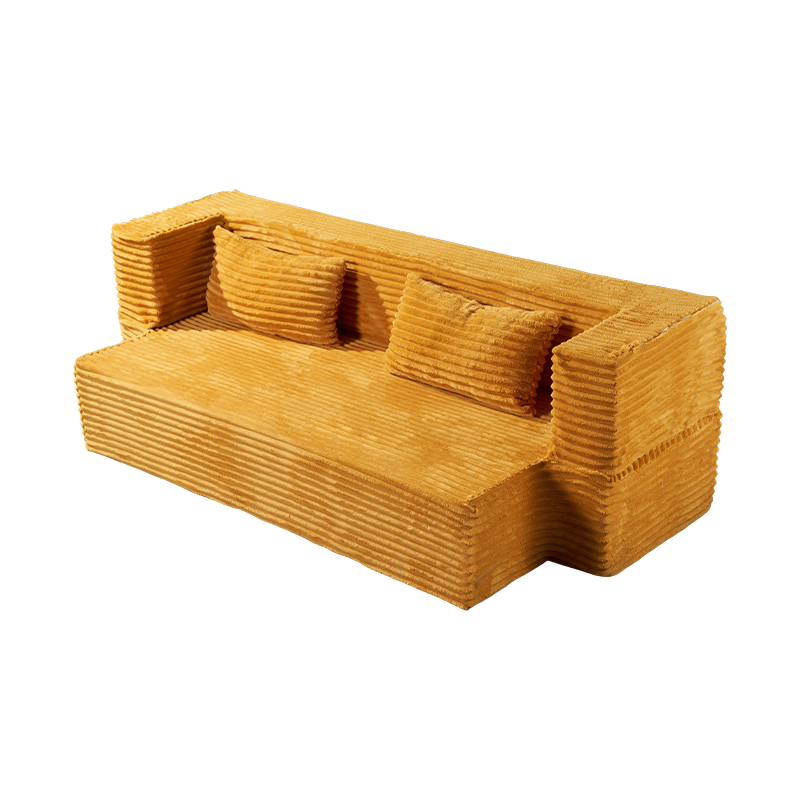
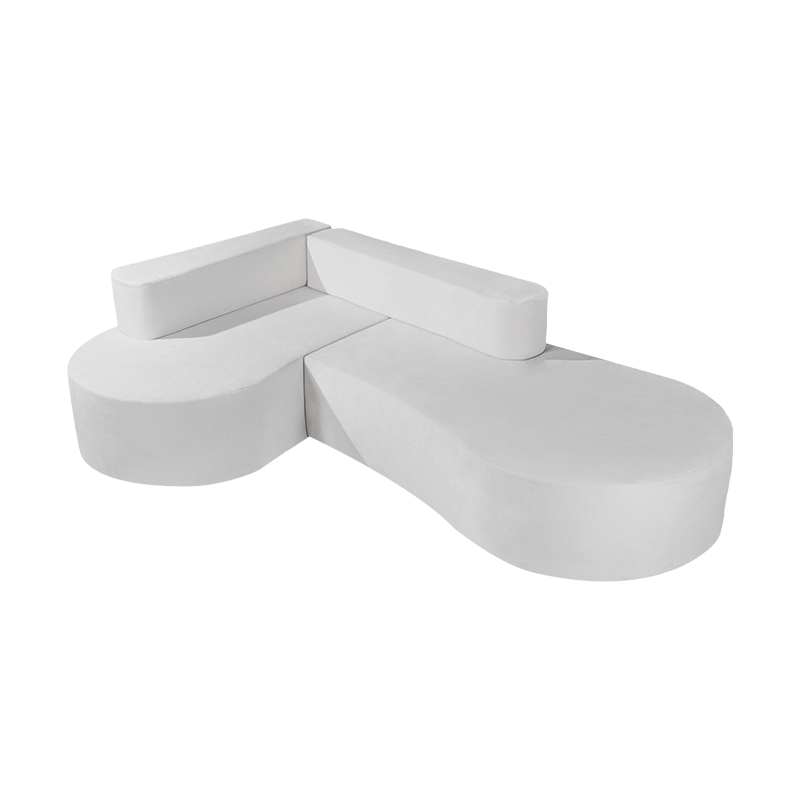
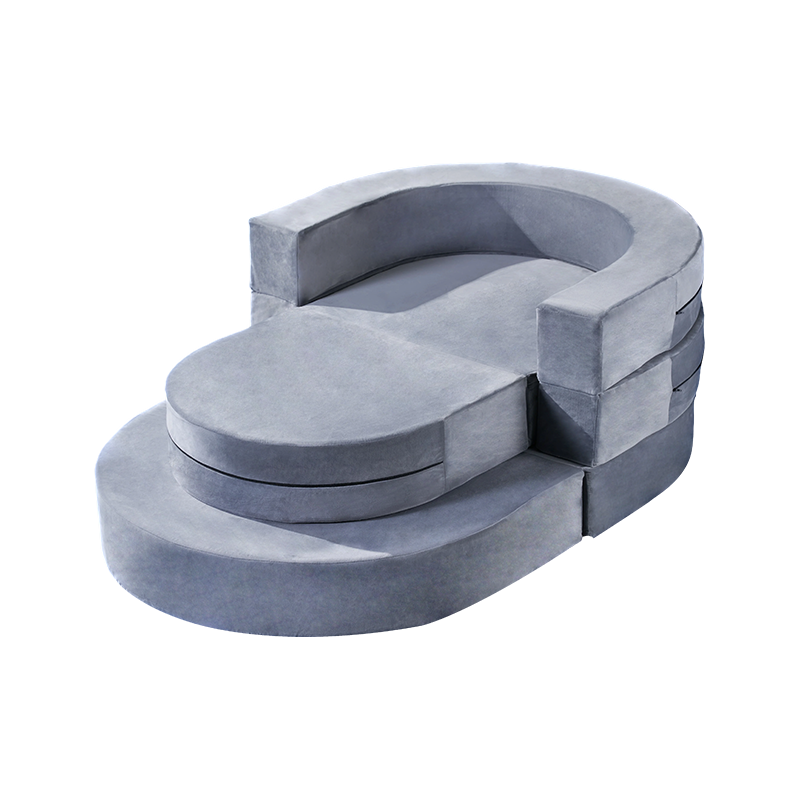
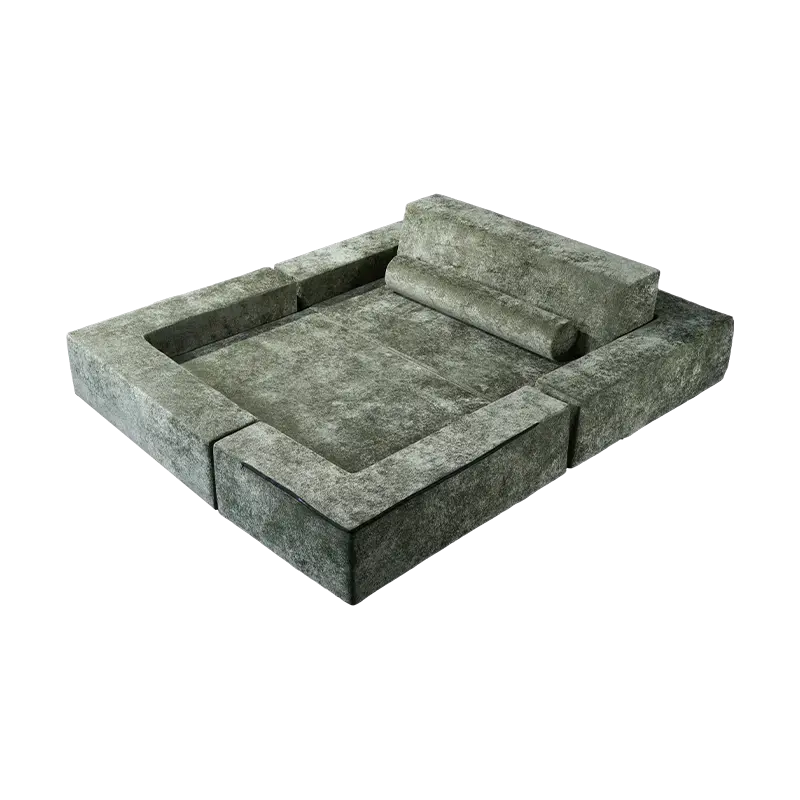
If your warehouse floor keeps filling up faster than your sales numbers, and every container shipment feels like a puzzle you can never quite solve, you already understand why sofa storage has become such a headache for furniture buyers. An integrated sofa bed designed for vacuum packing addresses exactly that frustration, shrinking bulky furniture down to a fraction of its usual shipping footprint without compromising what customers unpack at the other end. For anyone managing inventory across multiple warehouses or shipping internationally, this shift in packaging approach changes the math on both storage costs and logistics planning. The furniture industry has wrestled with bulky shipping for a long time, and sofa beds sit near the top of that problem list given their size and cushioning. Vacuum compression technology didn't emerge overnight, but its application to sofa bed manufacturing has matured enough that it's now a genuinely practical option for brands and retailers rather than just an experimental packaging trick.
What Actually Happens During Vacuum Packing?
Before getting into the storage and logistics benefits, it helps to understand the mechanism itself. Vacuum packing removes air from around a compressible sofa bed structure, typically foam-based, and seals it under pressure inside a protective film or bag.
- The foam compresses significantly under vacuum pressure, reducing the overall volume of the packaged unit.
- A sealed barrier keeps moisture, dust, and handling damage away from the compressed cushioning during transit.
- Once the seal is broken at the destination, the foam gradually expands back toward its original shape and firmness.
- Structural frame components, when included in the same package, are arranged to minimize wasted space around the compressed cushioning.
This isn't unique to sofa beds specifically, mattress manufacturers have used similar compression techniques for a while, but applying it to a full sofa bed structure, especially one with an integrated frame and folding mechanism, requires more careful engineering to avoid damaging moving parts during compression.
Why Does Storage Space Become Such a Problem With Traditional Sofa Shipping?
Anyone who's managed furniture inventory knows the pain point here already, but it's worth spelling out why traditional shipping creates such persistent headaches.
- Assembled or partially assembled sofa beds take up considerable cubic space in a warehouse, often sitting mostly empty air inside their packaging.
- Irregular shapes make stacking inefficient, leaving gaps between units that waste usable storage height and floor space.
- Handling large, bulky units requires more labor and specialized equipment, slowing down receiving and shipping processes.
- Container loading becomes inefficient when furniture doesn't compress, meaning fewer units fit per shipment and freight costs rise accordingly.
Vacuum-packed sofa beds address every one of these pain points directly, since compressed units stack more predictably, occupy dramatically less volume, and load into containers with far less wasted space around them.
Traditional Versus Vacuum-Packed Shipping
| Factor | Traditional Sofa Bed Shipping | Vacuum-Packed Sofa Bed Shipping |
|---|---|---|
| Package Volume | Large, bulky | Significantly reduced |
| Warehouse Storage Efficiency | Lower, uneven stacking | Higher, uniform stacking |
| Container Loading Capacity | Fewer units per shipment | More units per shipment |
| Handling Labor | Higher, requires more equipment | Lower, easier to move and stack |
| Damage Risk During Transit | Moderate, exposed corners and edges | Lower, sealed protective barrier |
This comparison makes clear why so many furniture brands have started asking suppliers about vacuum packing capability before finalizing production orders, particularly for products shipping across longer distances or through multiple distribution points.
Does Compression Affect Product Quality After Unpacking?
This is probably the question buyers ask most often, and it's a fair one. Compressing foam under vacuum pressure for an extended period could reasonably raise concerns about whether it fully recovers its original shape and firmness.
In practice, foam quality and manufacturing technique matter more than the compression process itself. Higher density foams engineered specifically for compression tend to recover predictably, returning to their intended firmness within a short window after unsealing. Lower quality foam, on the other hand, can lose some resilience if compressed improperly or left sealed for extended periods beyond what the material was designed to handle.
This is why sourcing from a manufacturer with genuine experience in vacuum-packed furniture matters considerably. A supplier that understands foam density requirements and compression limits produces a noticeably more consistent unpacking experience than one simply applying vacuum sealing without adjusting the underlying material specifications.
How Does Modular Design Tie Into This Packaging Approach?
Vacuum packing works particularly well alongside modular sofa construction, and the two trends have grown together for practical reasons.
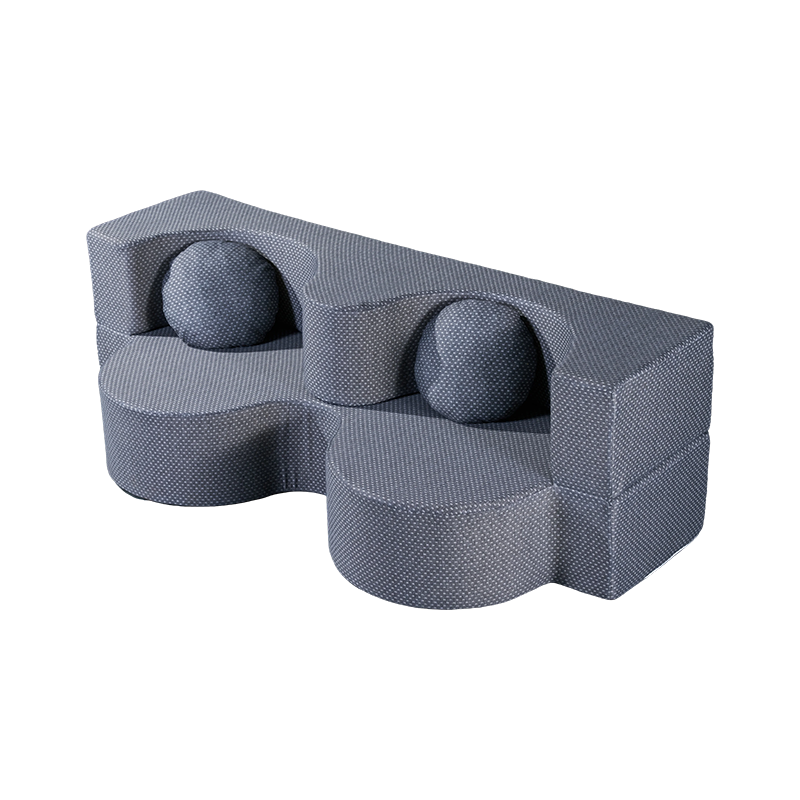
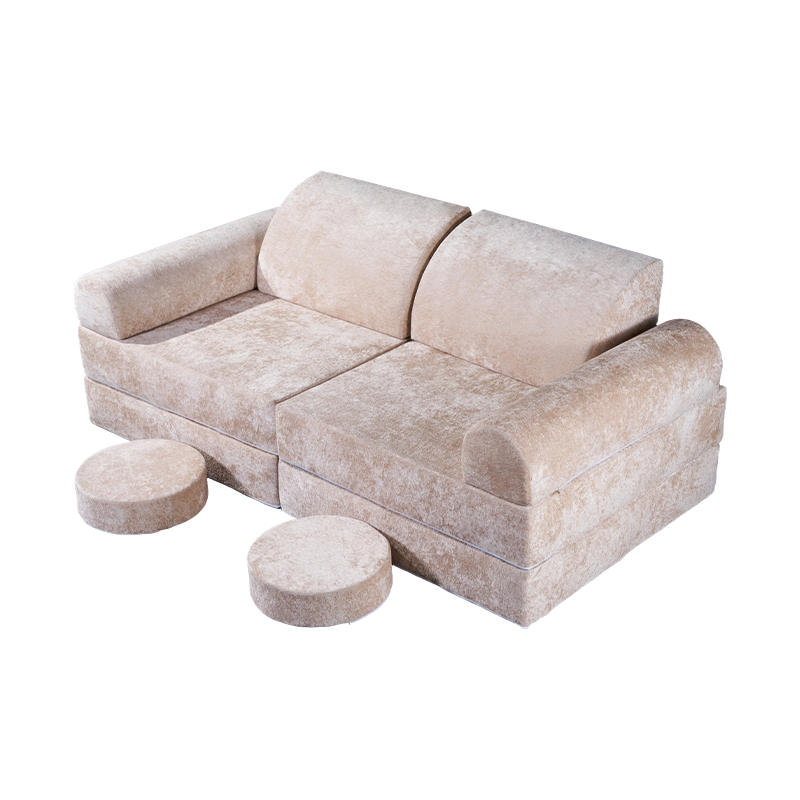
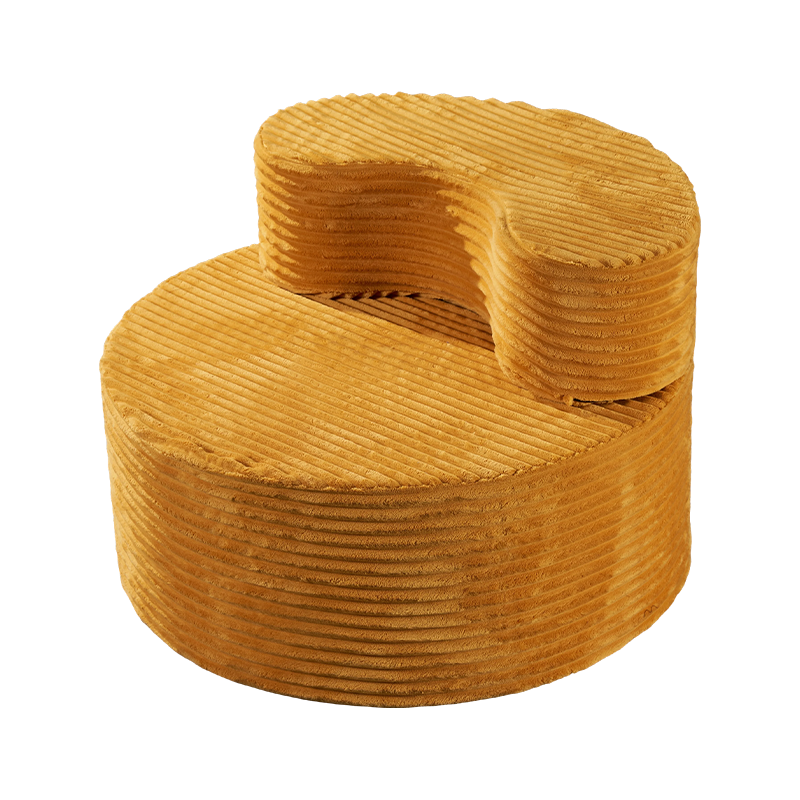
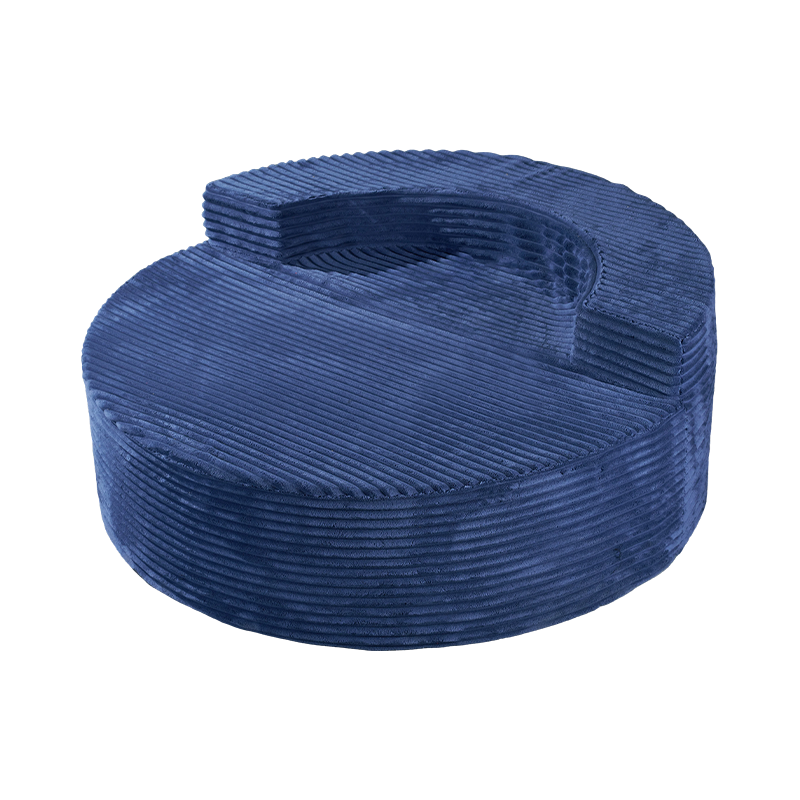
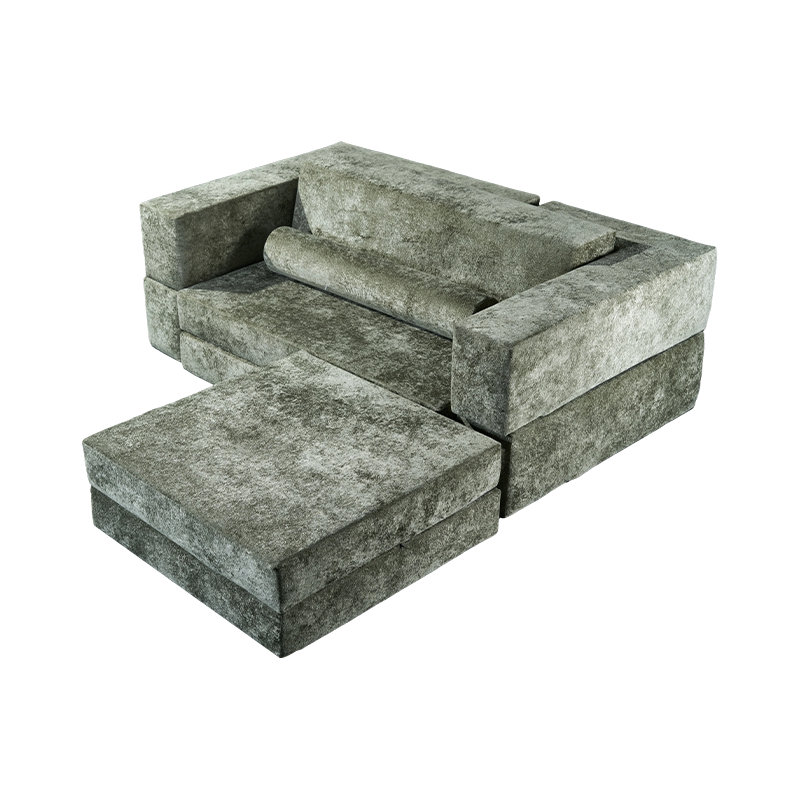
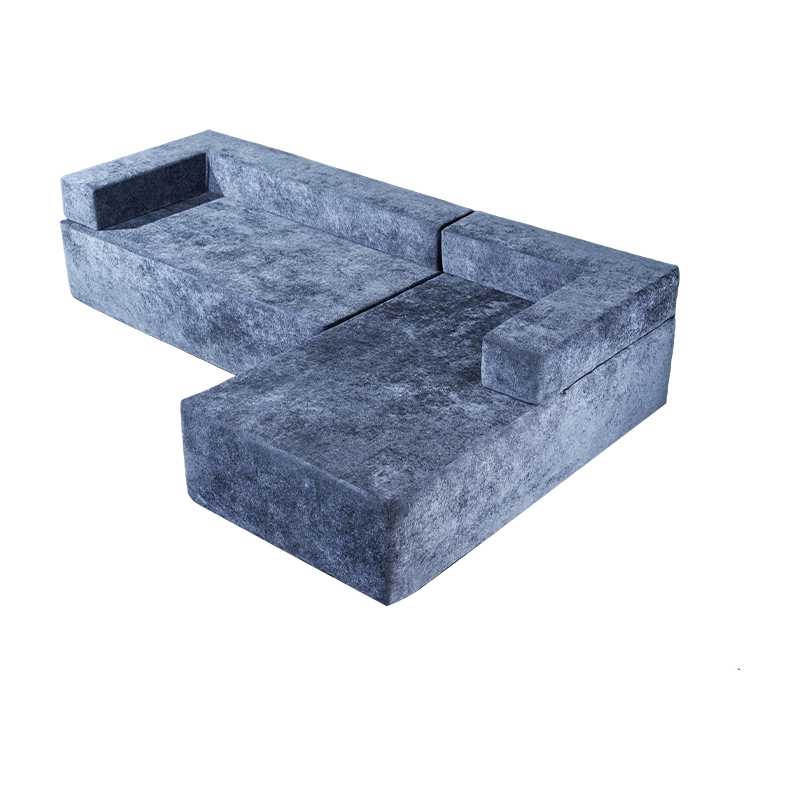
- Modular sofa components, built as separate sections rather than one fixed unit, compress and pack more efficiently since each piece can be sealed individually.
- Buyers gain flexibility in configuration, since modular sections allow different arrangements without requiring an entirely different product line.
- Shipping modular pieces separately, each vacuum packed, often results in more efficient container loading than trying to compress one oversized unit.
- Assembly at the destination becomes more manageable when each module arrives compact and clearly organized rather than as one bulky combined structure.
For furniture brands considering an integrated sofa bed line built around this approach, modular construction paired with vacuum packing tends to solve storage and shipping problems simultaneously rather than addressing them as separate issues.
What Should Buyers Ask When Evaluating a Manufacturer?
Once the general benefits are clear, the conversation shifts toward finding a manufacturing partner capable of executing this reliably at scale. A few questions help separate experienced suppliers from those still learning the process.
- Ask what foam density and material specifications are used for compressed components, since this directly affects post-unpacking recovery quality.
- Confirm whether the vacuum sealing process has been tested across different shipping durations, since longer international routes place different demands on packaging than short domestic shipments.
- Look into modular design capability, particularly if your product line benefits from flexible configuration options rather than one fixed sofa bed shape.
- Request sample units shipped under realistic conditions rather than relying solely on factory floor demonstrations, since real transit conditions reveal issues a controlled test might miss.
- Ask about production capacity for bulk orders, since scaling vacuum-packed furniture production requires equipment and process consistency that not every facility has invested in.
Buyers who skip these questions sometimes discover quality inconsistencies only after receiving a full shipment, which is a considerably more expensive problem to fix than catching it during the supplier evaluation stage.
Bringing Storage Efficiency and Product Quality Together
Solving warehouse space constraints and reducing freight costs doesn't have to come at the expense of product quality, and that balance is really what makes vacuum-packed sofa beds worth serious consideration for furniture brands and retailers managing inventory at scale. Getting there requires more than just wrapping a sofa in plastic and applying pressure, it depends on foam engineering, modular design thinking, and a manufacturing process built specifically around compression and recovery rather than adapted from standard shipping methods as an afterthought. Buyers who take the time to evaluate a supplier's experience with this approach tend to avoid the quality surprises that come with rushed or poorly tested compression techniques, while still capturing the real storage and logistics benefits that make this packaging method worth pursuing in the first place. Taizhou Lishida New Material Technology Co., Ltd. works with furniture brands and retailers on exactly this kind of integrated sofa bed development, combining modular design capability with vacuum packing expertise to help buyers reduce warehouse pressure and shipping costs without sacrificing what customers experience when they finally unpack their new sofa bed at home.
 Previous