English
 Deutsch
 عربى
عربىNews
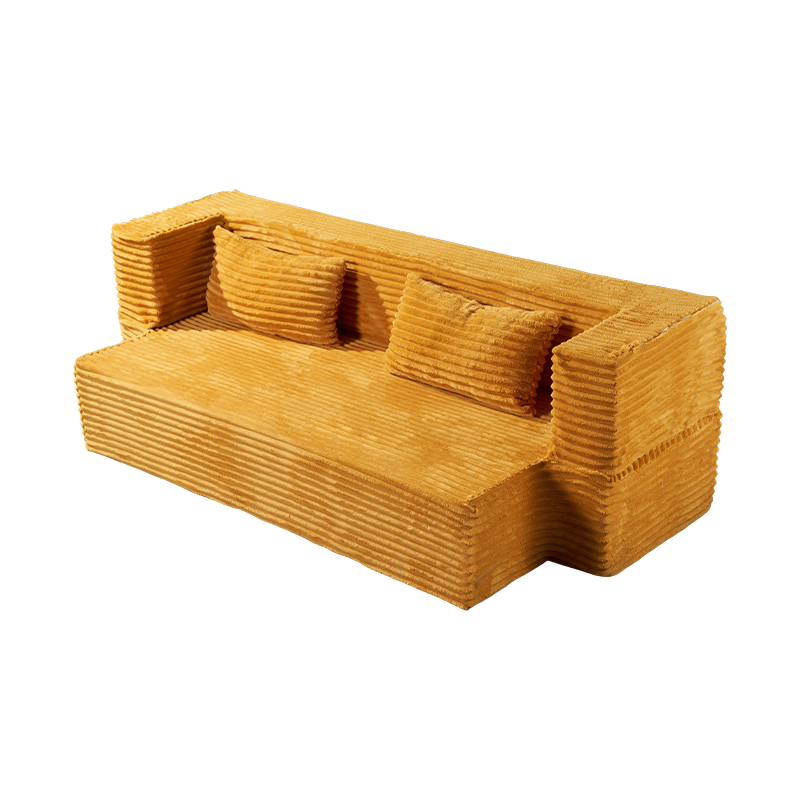
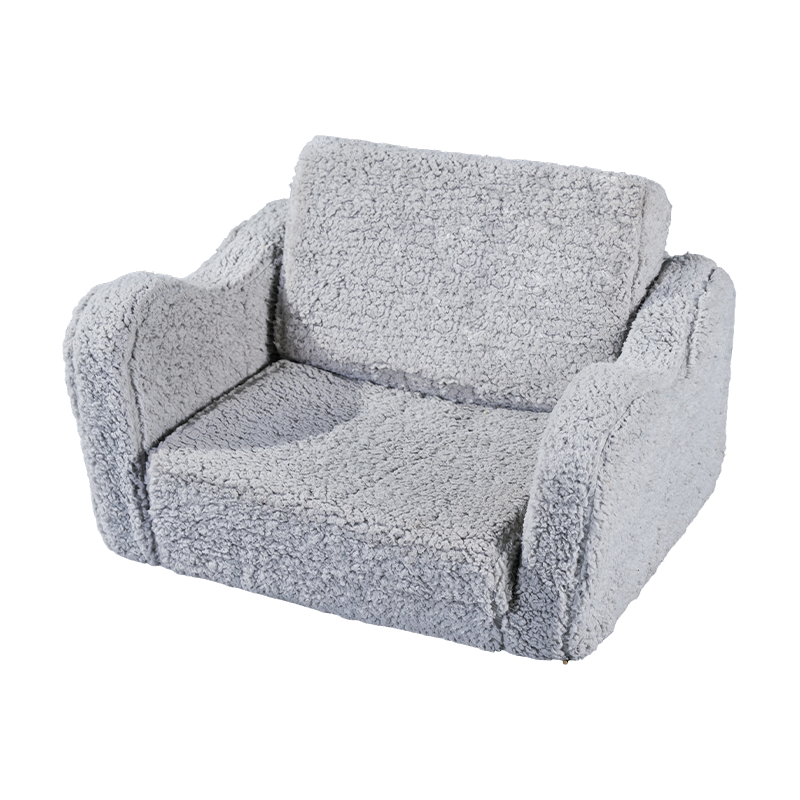
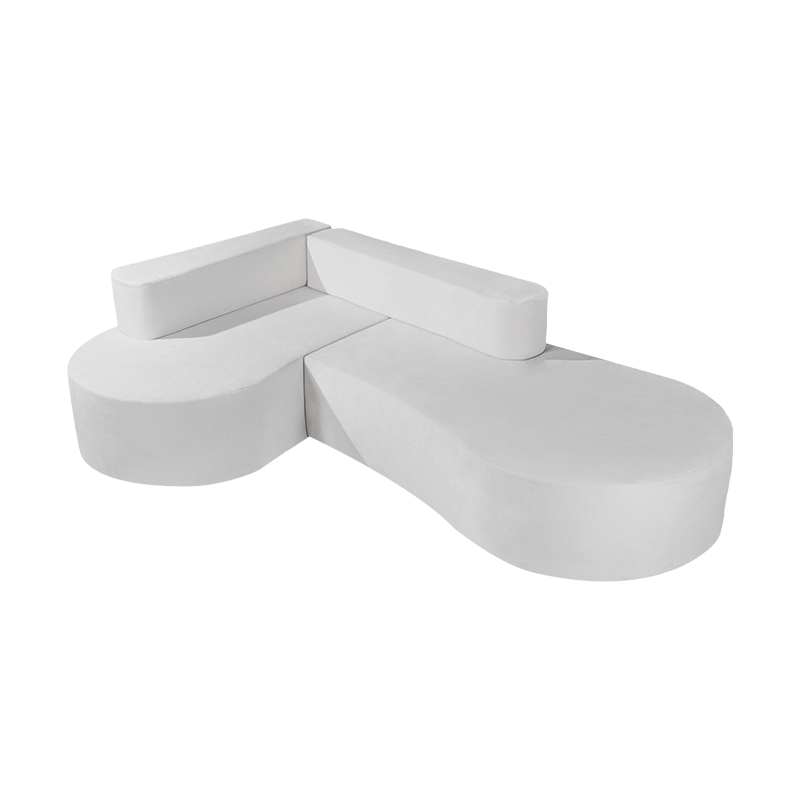
Watching container space get eaten up by bulky, awkwardly shaped furniture, paying storage fees on inventory that takes up far more warehouse floor than it should, or realizing halfway through a shipment quote that freight costs are eating into margins more than expected, this is the kind of headache that leads furniture importers straight to Integrated Sofa Bed options built around compressed packaging. When shipping costs scale with volume rather than actual product value, the shape and packing efficiency of a piece matters as much as its design. For furniture importers, brand owners, wholesalers, and e-commerce sellers sourcing products for international distribution, understanding how compressed packaging actually reduces logistics costs changes how a sourcing decision gets evaluated from the very first quote.
Why Does Furniture Shipping Cost So Much in the First Place?
Ocean and land freight pricing generally follows volume rather than weight for bulky items like furniture, meaning a container's usable space matters more than how heavy the cargo actually is. A traditional sofa bed, shipped fully assembled or loosely boxed, wastes considerable air space inside a container simply because of its irregular shape and fixed dimensions. That wasted space still gets paid for, since freight companies charge based on the container slot occupied regardless of how efficiently it gets filled.
Warehouse storage compounds the same problem. Bulky, pre assembled furniture takes up floor space proportional to its shipped form, which drives up storage costs for importers holding inventory before it reaches retail shelves or fulfillment centers.
How Does Compression Actually Solve This Space Problem?
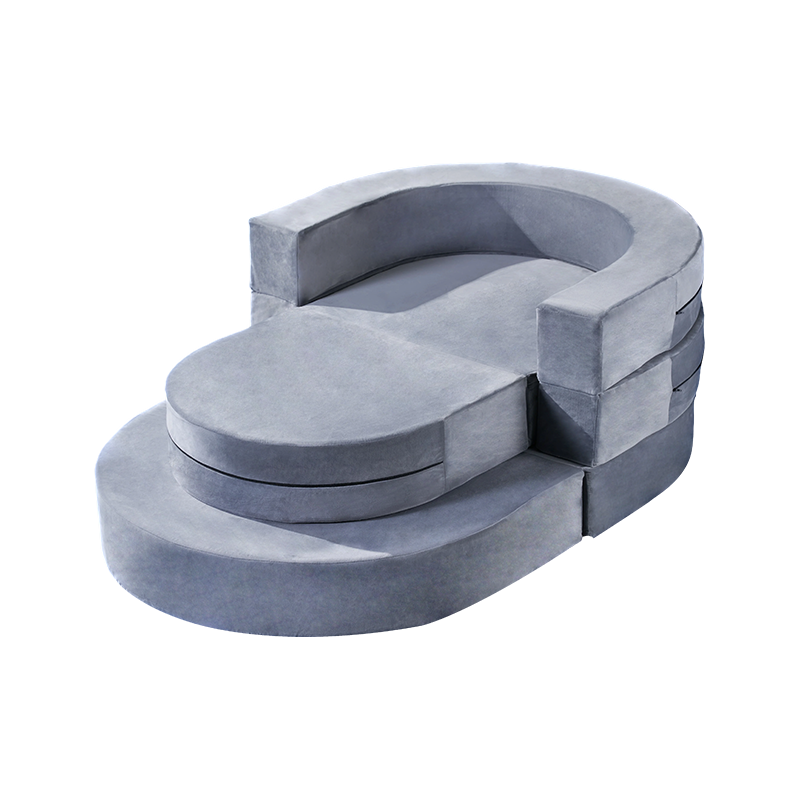
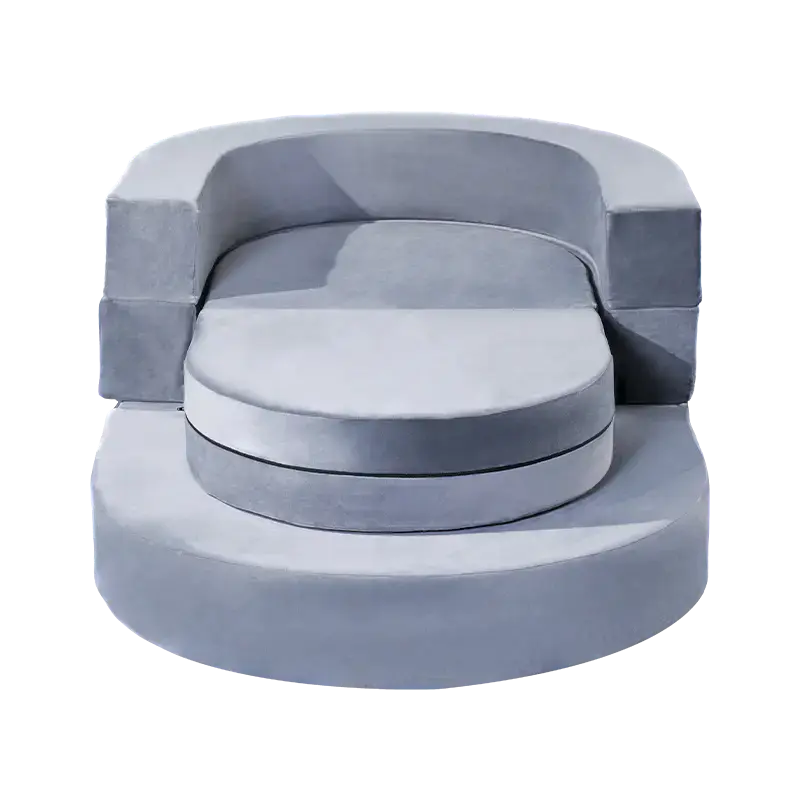
Compressed packaging reduces a sofa bed down to a fraction of its expanded size by using vacuum sealing or mechanical compression on foam and cushion components, then flat packing the frame separately. Instead of shipping a fully formed, bulky piece, the product travels in a much smaller footprint and expands back to its intended shape once unpacked at the destination. That difference in shipped volume translates directly into more units fitting inside the same container space.
What Makes an Integrated Sofa Bed Suited to This Packing Approach?
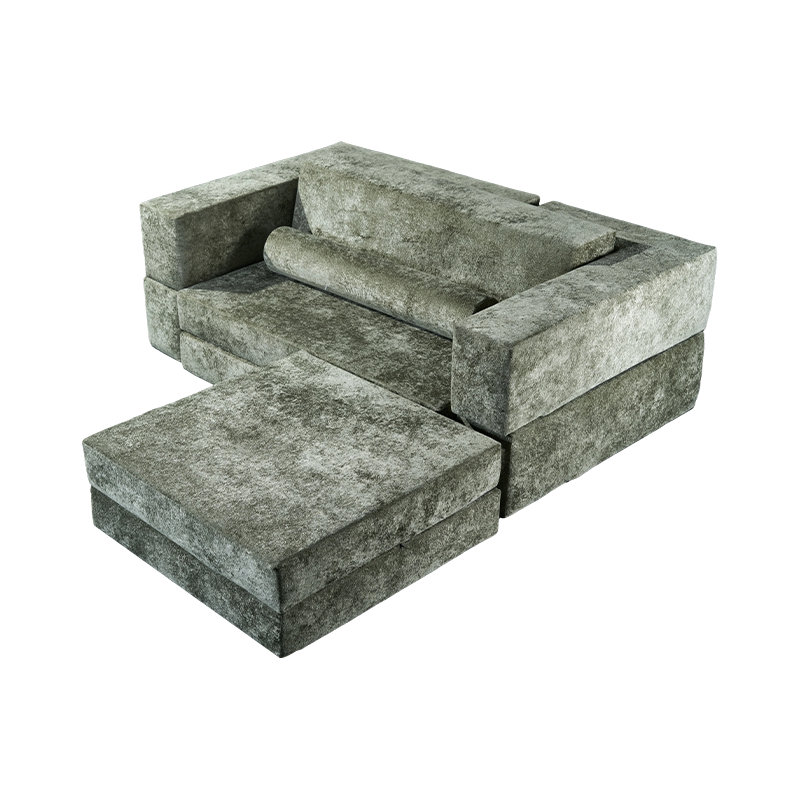
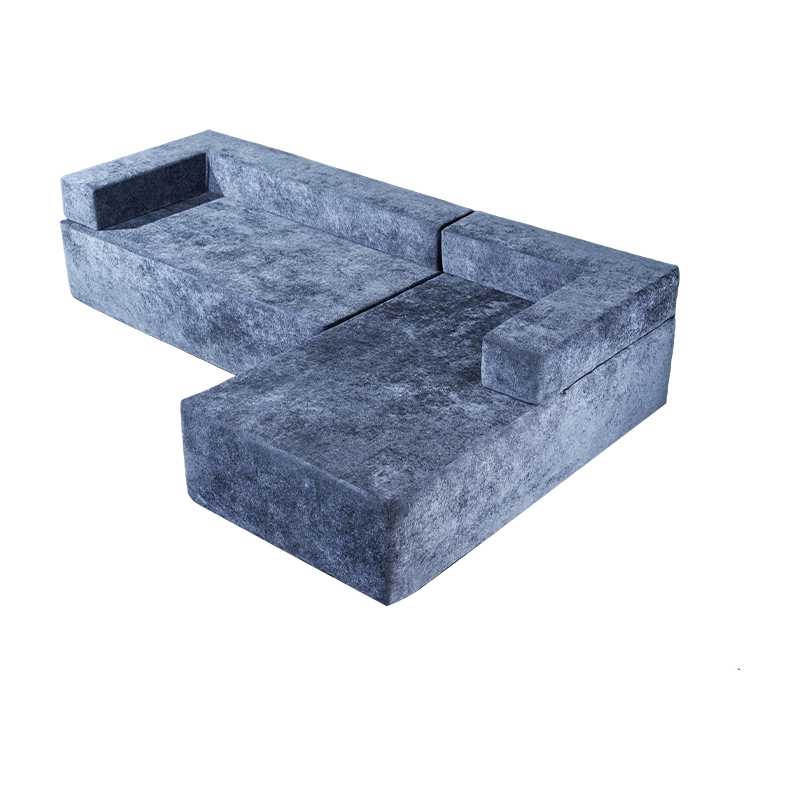
An integrated design, where the sofa and bed functions build into a single connected frame rather than separate components, tends to compress more predictably than modular or multi piece alternatives with irregular connecting hardware. The frame folds or breaks down along planned points, and the cushioning compresses evenly since there are fewer separate pieces that need individual packaging treatment.
This matters for buyers evaluating product lines specifically for export, since a design that compresses cleanly avoids the packing inefficiencies that come from oddly shaped components needing extra padding or awkward container arrangement.
Does Compression Affect the Finished Product Once Unpacked?
Generally no, assuming the foam and materials used are rated for compression cycling. Quality foam designed for this kind of packaging returns to its intended shape and firmness after decompression, holding up through the compress and expand cycle without lasting damage to comfort or structural integrity. Lower grade foam, by contrast, can lose some resilience after compression, which is why sourcing decisions should factor in material quality alongside the packing method itself.
How Do Compressed and Traditional Packing Methods Compare?
| Packing Method | Container Space Used | Warehouse Storage Footprint | Handling Complexity |
|---|---|---|---|
| Traditional Full Assembly | Higher, irregular shape wastes space | Larger, bulky units take up floor area | Simple, minimal assembly needed at destination |
| Compressed Vacuum Packing | Lower, flattened profile fits densely | Smaller, compact units stack efficiently | Moderate, requires unpacking and expansion at destination |
| Flat Pack Modular | Moderate, depends on component shapes | Moderate, stacks better than full assembly | Higher, requires assembly at destination |
Looking at this comparison, compressed packing generally offers the most container efficiency, though it does ask for a bit more handling on the receiving end compared to a fully assembled piece arriving ready to use.
What Role Does Modular Design Play Alongside Compression?
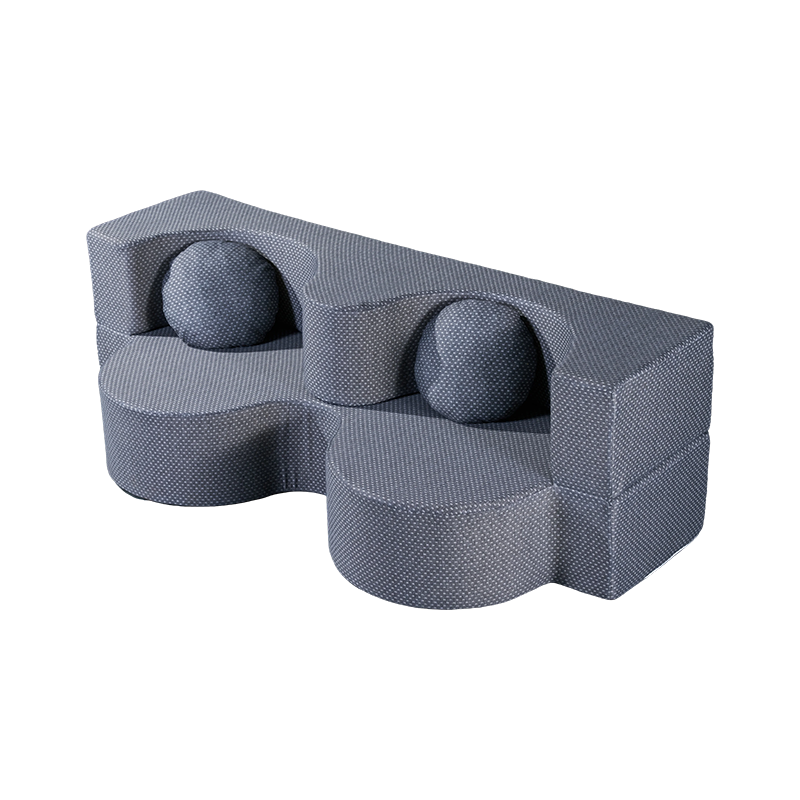
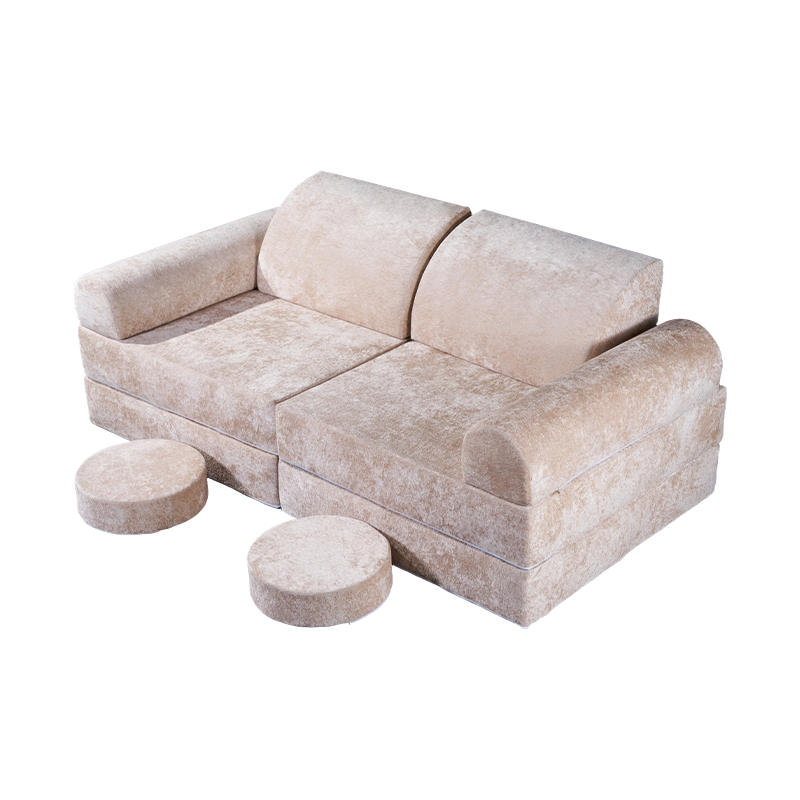
Modular construction breaks a piece into separate sections that connect after arrival, which can further improve packing density beyond what compression alone achieves. Working with a Modular Sofa Manufacturer capable of combining modular structure with compressed foam packaging often produces the most container efficient result, since both approaches attack the space problem from different angles, one through shape and the other through material volume reduction.
Buyers building a product catalog around export efficiency should consider whether a modular approach fits their target market's tolerance for at home assembly, since some retail segments prioritize ready to use furniture over maximum shipping efficiency.
Is Assembly Difficulty a Fair Tradeoff for Lower Shipping Costs?
For many importers, yes, particularly when the savings scale across container volume rather than a single unit. A modest amount of end user assembly time is often a reasonable exchange for shipping meaningfully more units per container load, especially for e-commerce sellers where product margin depends heavily on keeping logistics costs proportional to actual sale price. Retail buyers stocking showroom floor models, however, may still prefer traditional assembly for demonstration purposes even while ordering compressed units for their bulk inventory.
Steps for Evaluating a Furniture Supplier's Packing Approach
Buyers vetting suppliers for export focused furniture sourcing benefit from asking specific questions before committing to a bulk order.
- Request container loading calculations comparing compressed versus traditional packing for the same product, to see the actual space efficiency difference.
- Ask about foam quality and compression rating, since lower grade materials may not hold shape as well after repeated compression cycles.
- Clarify assembly instructions and hardware included, ensuring the end product can be reassembled without specialized tools or excessive complexity.
- Confirm warehouse storage dimensions for compressed units, since even flattened inventory needs accurate space planning before it arrives.
- Review sample units before committing to bulk orders, checking that decompressed foam and frame quality meet expectations for the target market.
Skipping these checks tends to surface problems only after a full container shipment arrives, at which point correcting a packing or material issue becomes far more expensive than catching it during supplier evaluation.
Bringing Shipping Efficiency and Product Quality Together
Reducing furniture shipping costs rarely comes down to negotiating better freight rates alone, it often starts with the product design and packing method chosen well before the container ever gets loaded, and an Integrated Sofa Bed built around compression friendly materials and structure tends to deliver meaningfully better container efficiency than bulkier traditional alternatives. Buyers weighing this decision benefit from looking past unit price and evaluating total landed cost, factoring in container space, warehouse footprint, and handling requirements together rather than treating each as a separate line item. Taizhou Lishida New Material Technology Co., Ltd. works with importers, wholesalers, and e-commerce sellers sourcing through Modular Sofa Supplier relationships built around this exact combination of compact packaging and dependable product structure, and sharing your target container volume, storage constraints, and preferred assembly complexity is a practical way to start narrowing down the right sofa bed solution for your supply chain.
 Previous