English
 Deutsch
 عربى
عربىNews
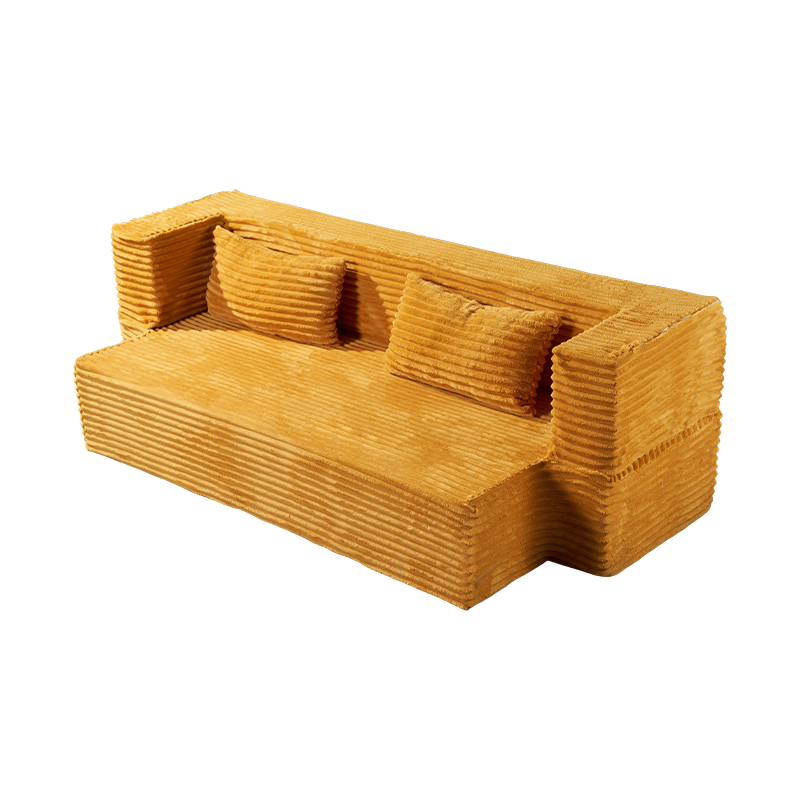
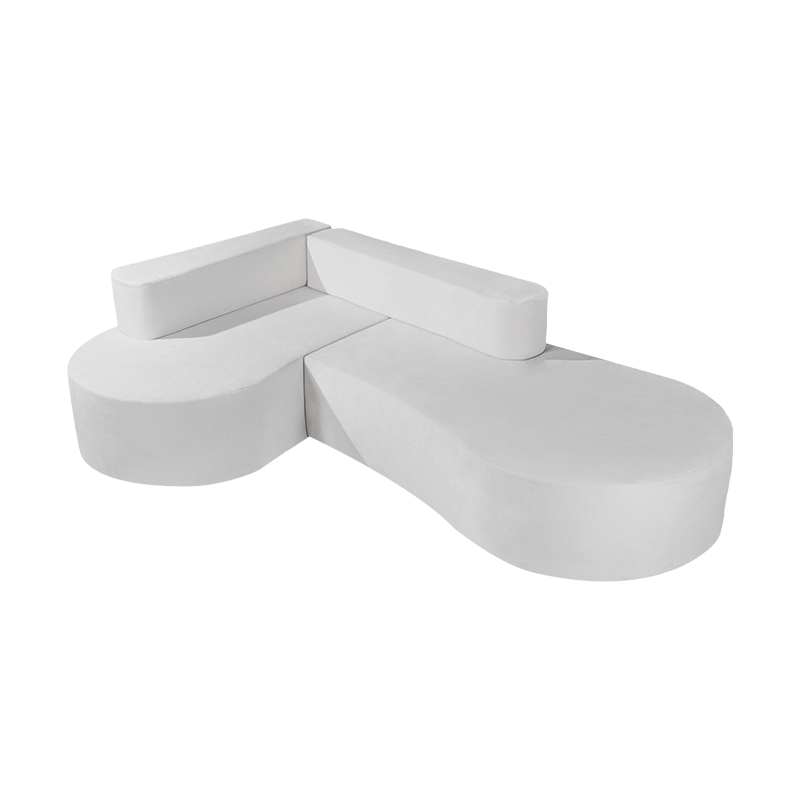
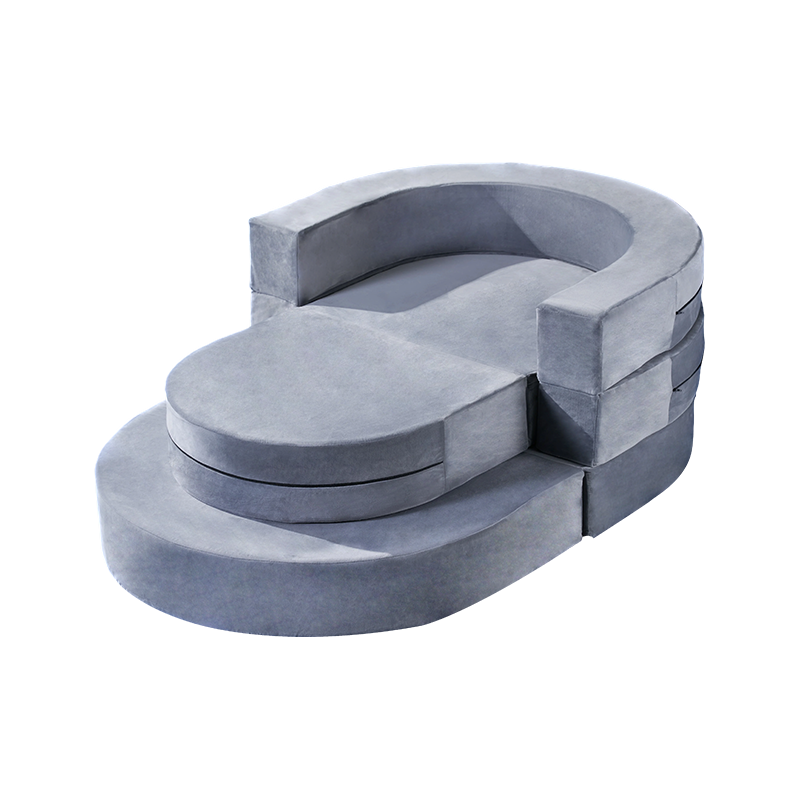
Choosing a sofa bed involves a trade-off that does not resolve itself simply by reading a product description. The internal construction — whether the sleeping surface is built on foam, springs, or a combination of both — determines how the piece performs not just in the first week but across years of regular use. For spaces where the sofa bed functions as a primary sleeping surface rather than an occasional guest accommodation, that internal construction is the detail that shapes whether the furniture delivers on its promise or becomes a source of nightly dissatisfaction. An Integrated Sofa Bed that looks right in the room but sleeps poorly is a problem that cannot be corrected with different bedding or a topper. Understanding the difference between foam and spring construction — what each offers structurally and where each falls short — is the starting point for a decision that holds up over time.
What Is a Foam Sofa Bed?
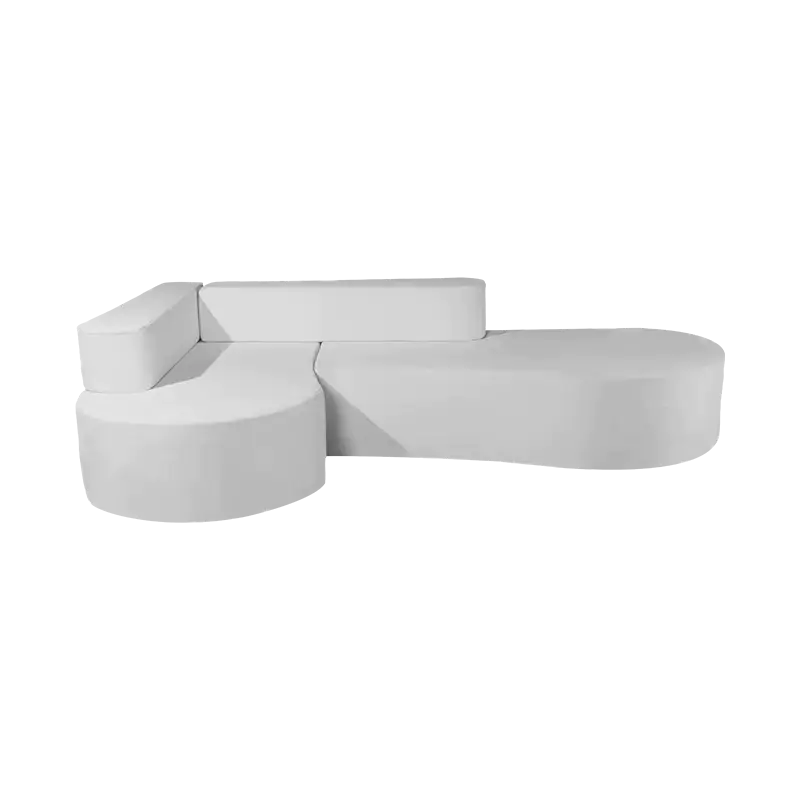
A foam sofa bed uses one or more layers of foam as the primary sleeping surface. The foam is contained within the seat and back structure of the sofa and unfolds or reconfigures into a flat sleeping platform when the unit is converted. The foam composition varies considerably across products: high-density foam provides firmer, more durable support; lower-density foam compresses more easily and recovers more slowly after use.
The foam construction gives the manufacturer significant control over the feel of the sleeping surface. Different foam densities can be layered to produce a surface that is supportive near the base and softer at the top, or uniformly firm throughout. Memory foam variants respond to body temperature and shape, which some users find conforms well to their body profile while others find the slow-response feel disorienting compared to a traditional mattress.
Foam does not contain mechanical components, which makes it lighter than spring constructions of comparable size and eliminates the noise and progressive wear that moving parts introduce over time. The frame and the foam together determine the product's weight, and foam sofa beds are generally easier to move and reposition than spring alternatives.
What Is a Spring Sofa Bed?
A spring sofa bed incorporates a coil or pocket spring system within the sleeping surface, typically supported by a rigid or semi-rigid frame. The springs compress under load and return to their natural position when the load is removed, providing a responsiveness that foam does not replicate. In pocket spring constructions, individual springs are wrapped separately and respond independently to pressure, which reduces motion transfer across the sleeping surface — a relevant consideration when two people share the bed.
The spring system provides support through mechanical resistance rather than through material density, which means the feel of the sleeping surface is less dependent on the weight of the sleeper than foam construction tends to be. Heavier sleepers may sink through a lower-density foam layer in a way that a properly specified spring system would resist more effectively. The spring construction also allows air to circulate through the coil layer, which prevents the heat retention that dense foam can produce.
Spring sofa beds are generally heavier than foam equivalents due to the metal components within the spring layer. Over time, springs can develop noise, particularly in constructions where the coils are not individually contained. The longevity of the spring system depends on the coil gauge and the quality of the materials used in the pocket wrapping, which varies considerably between manufacturers.
How the Two Constructions Compare Across Key Criteria
The decision between foam and spring rests on several variables that are weighted differently depending on the use case. The table below outlines how the two constructions compare across the criteria that matter in practical use.
Which Construction Handles Daily Use Better?
Does the Sofa Configuration Affect the Sleeping Performance?
Where Each Construction Fits by Use Case
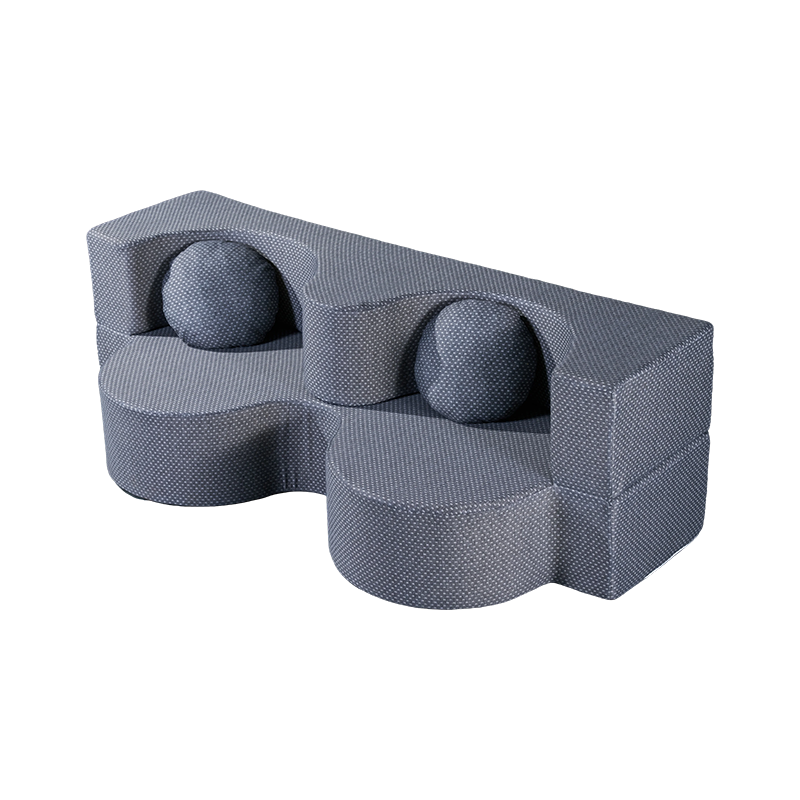
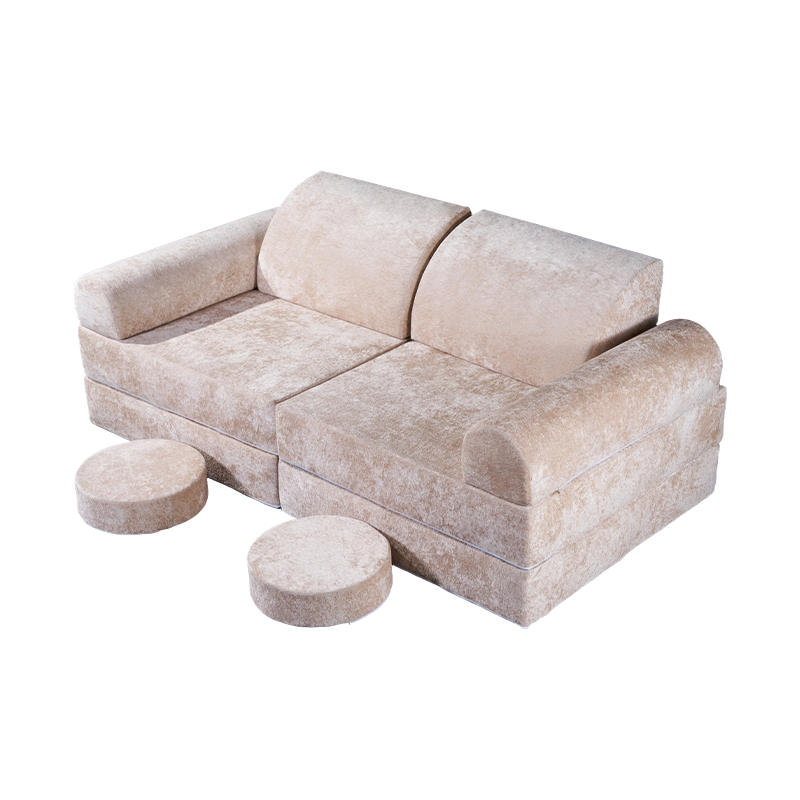
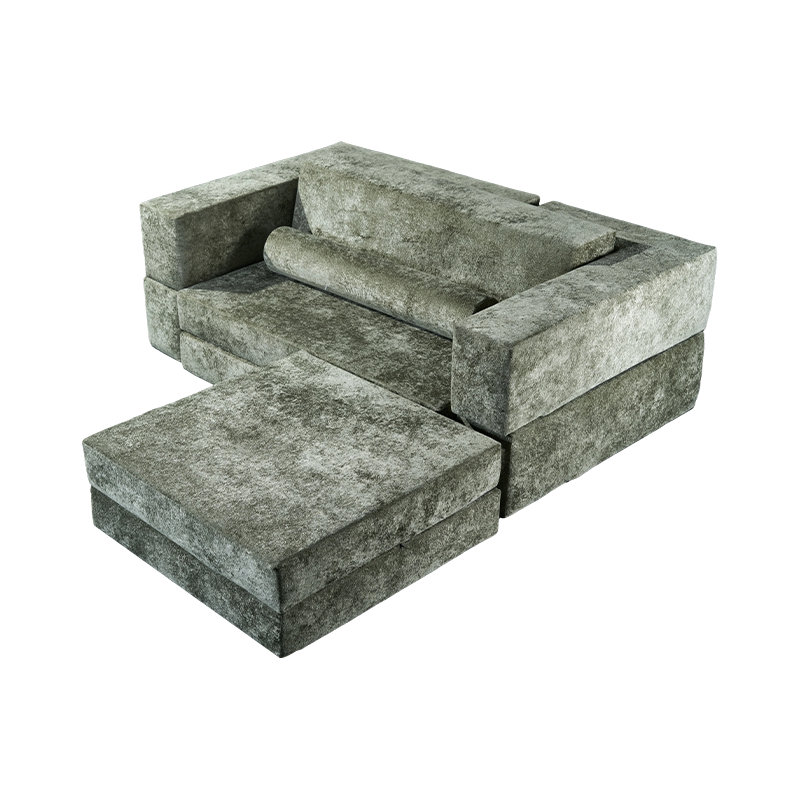
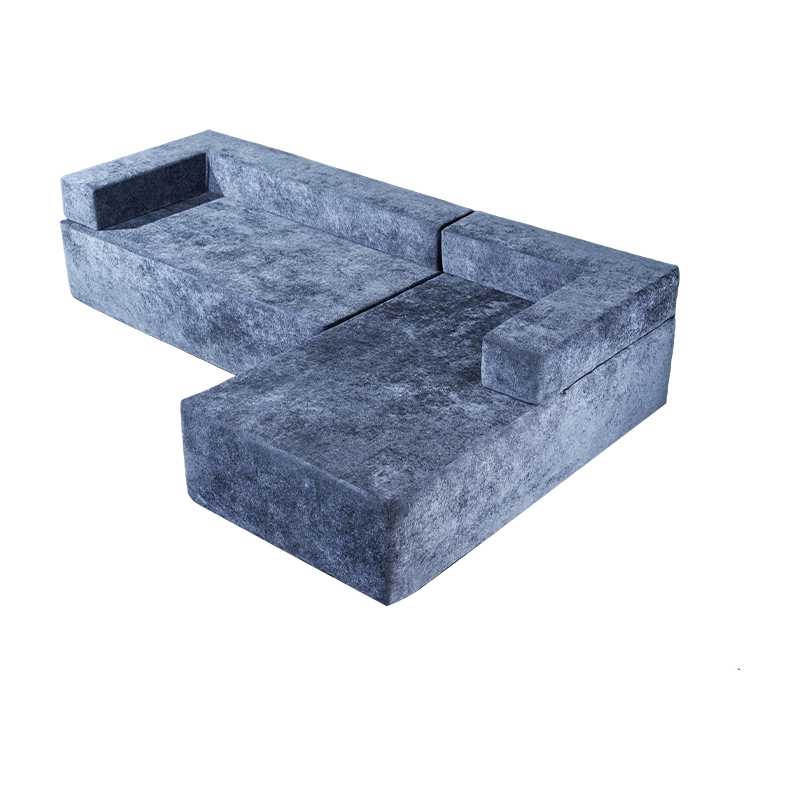
Modular Sofa Systems and the Sleeping Function
What to Evaluate Before Committing to a Specification
Selecting between foam and spring for a sofa bed comes down to four questions that apply regardless of whether the purchase is a single residential unit or a multi-unit procurement program:
Taizhou Lishida New Material Technology Co., Ltd. manufactures sofa bed components and Integrated Sofa Bed systems for residential, hospitality, and OEM furniture programs, with production capability across foam and spring sleeping surface specifications and modular configuration options. For procurement teams evaluating material specifications, sourcing samples for durability testing, or developing a modular sofa configuration for a multi-unit property program, contacting the production team with project scope and sleeping frequency requirements is the starting point for a specification that holds up across the intended service life.
 Previous