English
 Deutsch
 عربى
News
A compressed sofa quotation may show a small packing volume without explaining whether it represents one module, one carton or a complete seating set. Another quotation may use a different basis. Compressed sofa carton volume becomes useful only when buyers compare the same packed unit and the same measurement method.
For furniture importers, wholesalers and project buyers, the immediate task is to connect product configuration with shipping information. The unpacked sofa size describes the furniture in use; the external carton size describes a shipping package. Neither figure should be substituted for the other when preparing a freight enquiry.

Set the denominator before comparing CBM
Define what one quoted unit contains
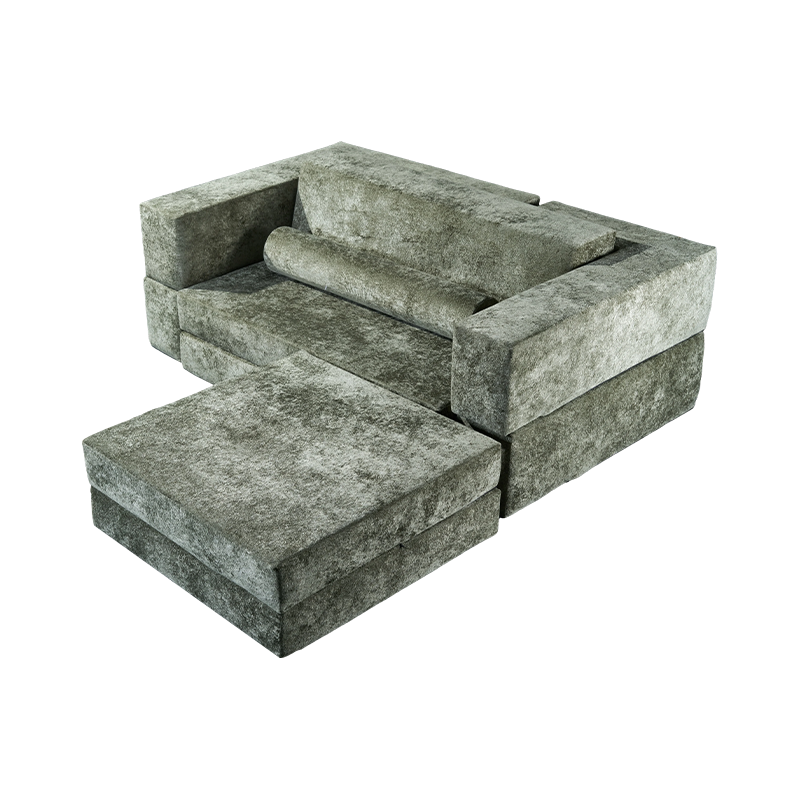
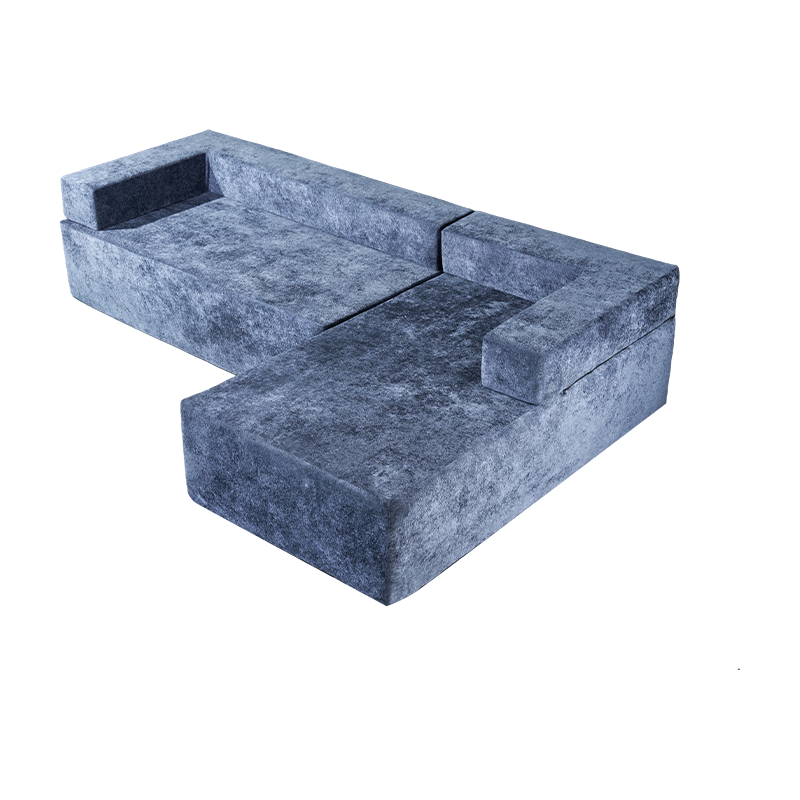
Start with the complete ordered configuration. Identify the number and type of modules, included accessories and any separate packaging. A modular sofa can be sold in different arrangements, so the phrase one set needs an explicit component list.
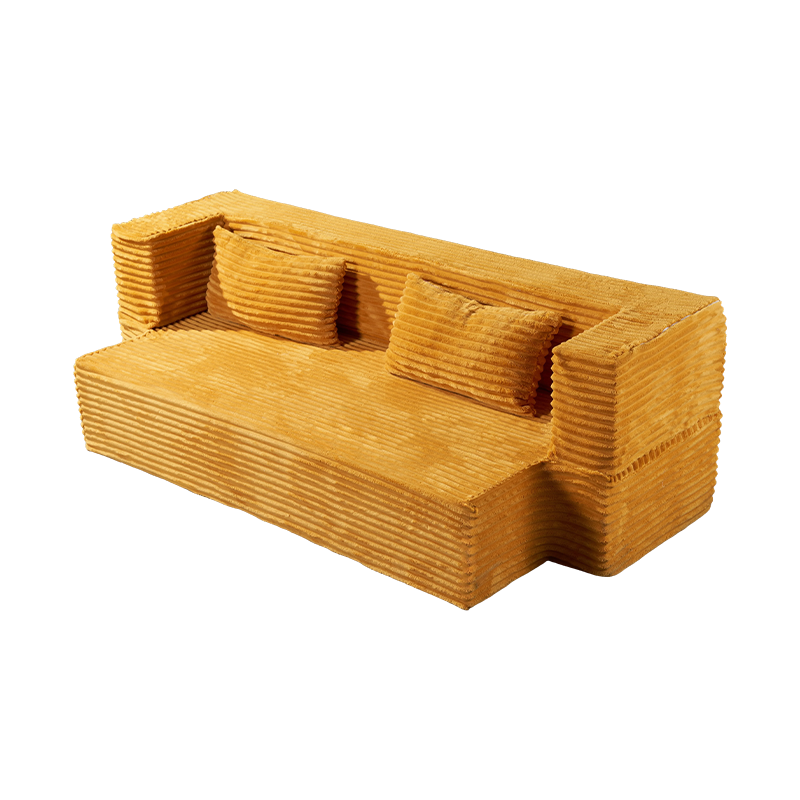
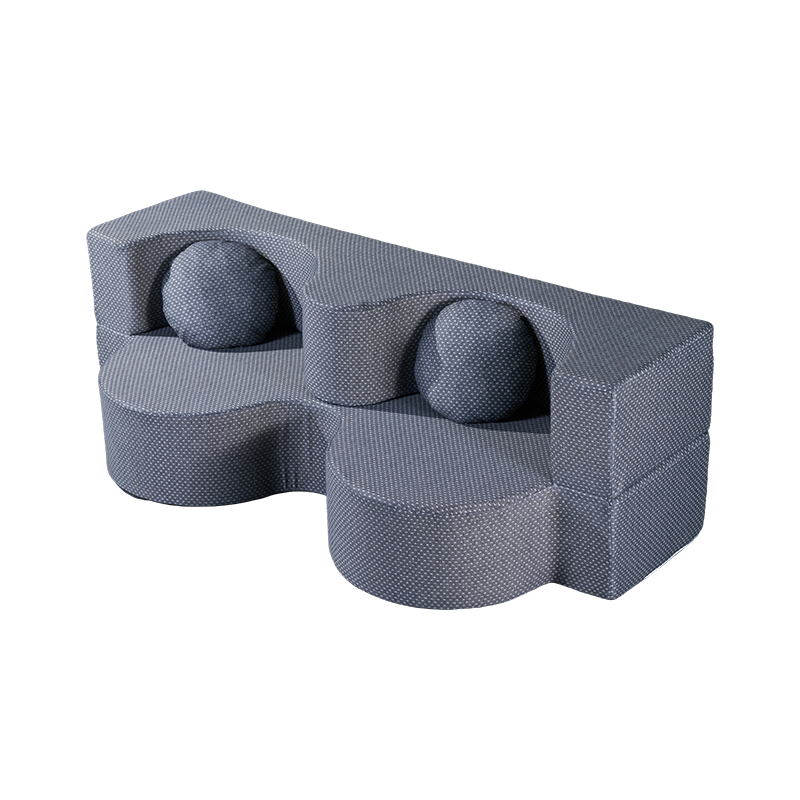
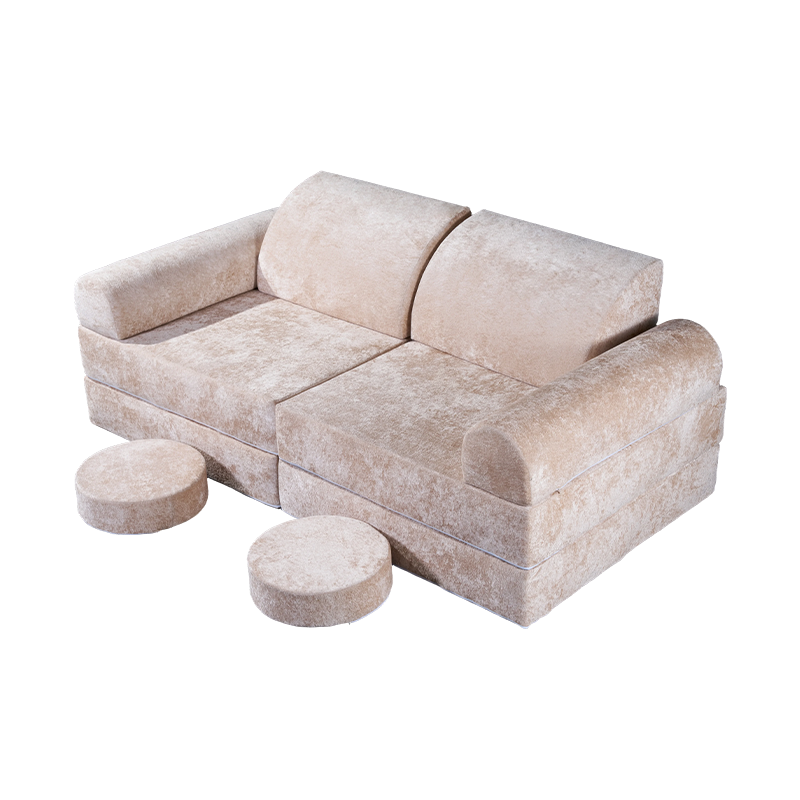
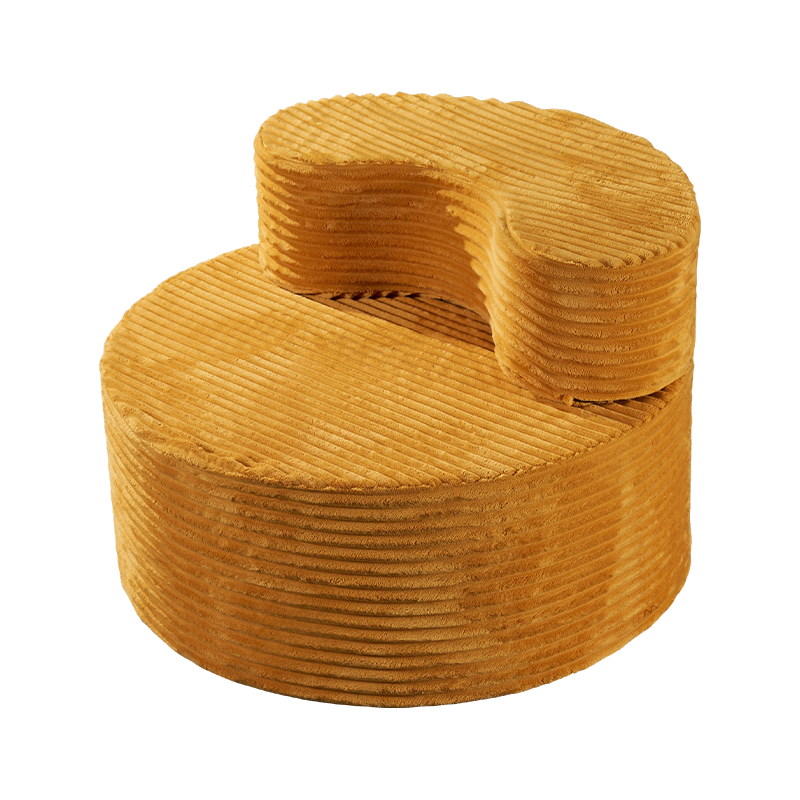
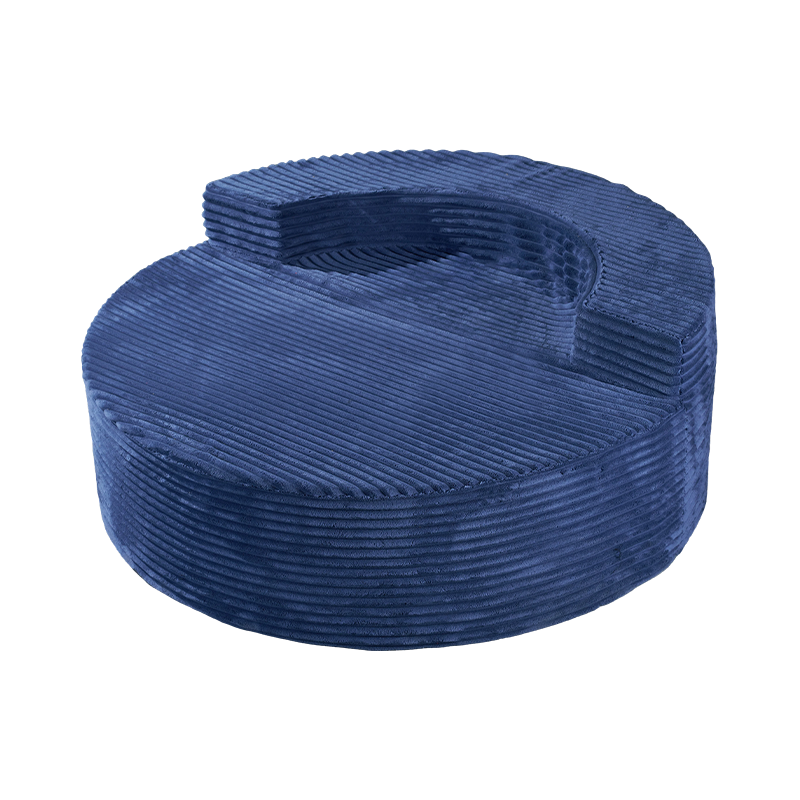
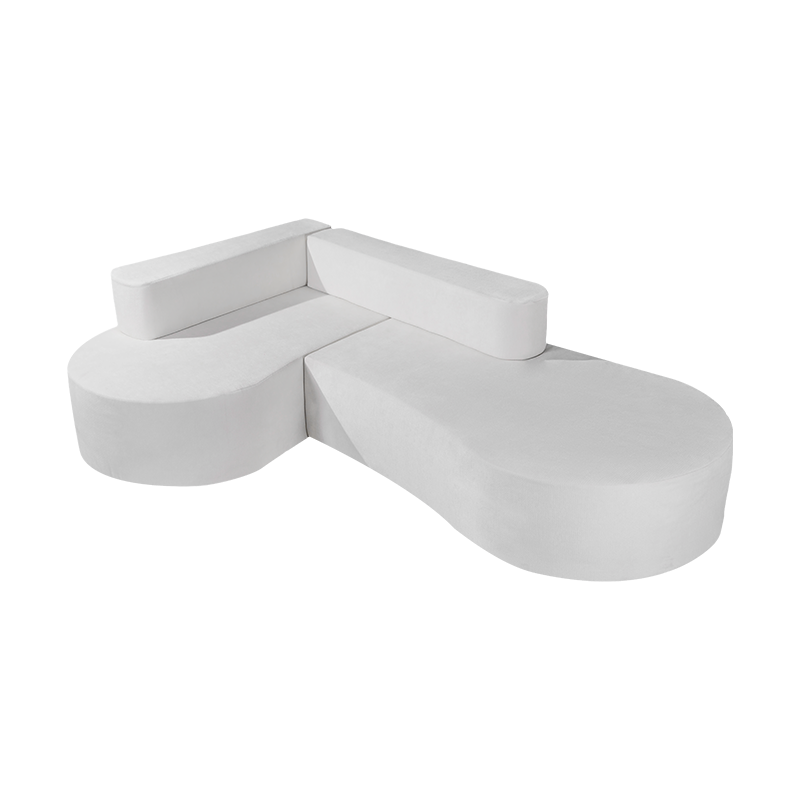
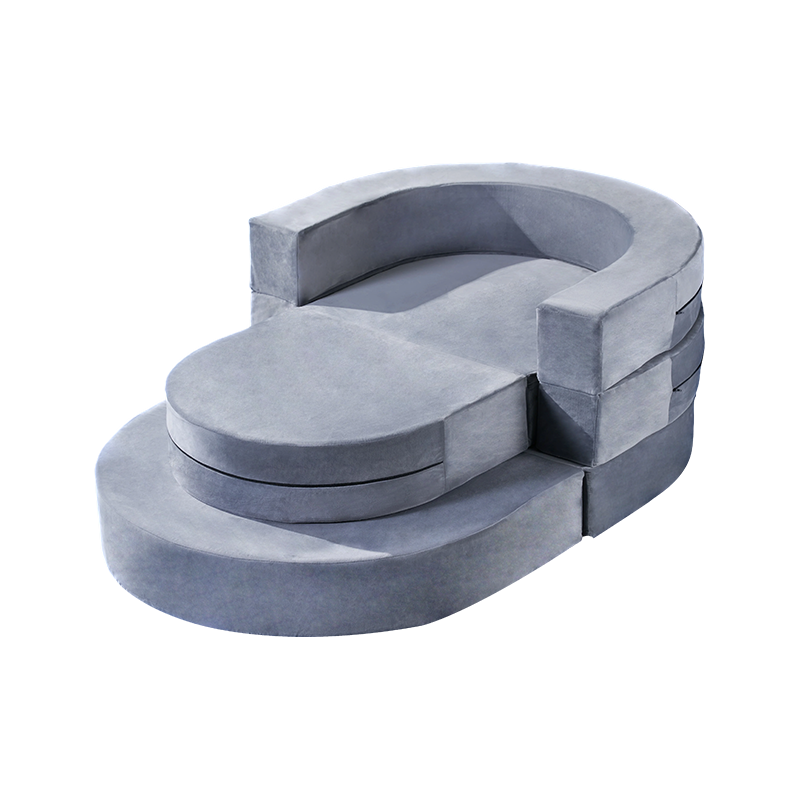
For the modular all-foam lounge sofa, review the selected configuration against the supplier's current product information and quotation. The shown assembled furniture does not establish how many cartons will be shipped. Ask the supplier to connect each ordered module or accessory group with its packing unit.
Keep that mapping with the purchase reference. If a buyer changes the combination after receiving the initial quotation, the packing volume may also need revision. A lower total for a smaller configuration should not be presented as a packaging improvement for the original set.
Calculate the complete packed unit
Use external packed dimensions for carton volume
A sofa carton CBM calculation uses length multiplied by width multiplied by height, with all three dimensions expressed in metres. If the dimensions are recorded in centimetres, multiply them and divide by one million to obtain cubic metres. State the units beside the measurements so the calculation can be checked.
Use the external dimensions of the final shipping carton, not the internal box dimensions or the outline of an unboxed compressed product. Confirm whether the measurements are for the actual packed configuration or a preliminary estimate. The freight record should make that status visible.
For a hypothetical arithmetic example, a carton measuring 100 by 60 by 50 centimetres has a geometric volume of 0.30 cubic metres. This example explains the formula only; it is not a packing specification for the sofa shown or a claim about the manufacturer's compression performance.
Add every carton belonging to the ordered set
If a set uses several cartons, calculate each carton type separately and multiply by its quantity per set. Add the results to obtain the total geometric carton volume for that set. Do not multiply one module's carton by the number of seats unless the supplier confirms that all packed units are identical.
Include separately packed accessories in the mapping. A small additional package may be easy to overlook when comparing only the principal sofa modules. The final packing list should account for all shipped items and allow the receiver to reconcile complete sets.
Where cartons contain components for more than one set, ask for an explicit allocation method. A mixed packing arrangement changes how the buyer should interpret cartons per set. Keep both the shipment totals and the allocation basis available to avoid double counting.
Build a packed sofa unit comparison
| Comparison field | Information to request | Reason to keep it explicit |
|---|---|---|
| Ordered configuration | Modules and accessories in one set | Defines the product being compared |
| Carton reference | Which components are inside each type | Connects packaging to the configuration |
| External dimensions | Length, width and height with units | Provides the geometric volume basis |
| Quantity per set | Number of each carton type | Prevents omitted or duplicated cartons |
| Packing status | Measured final pack or provisional estimate | Shows the certainty of the figures |
| Shipment arrangement | Loose cartons, pallets or other agreed format | Identifies additional transport space |
Keep the comparison on one basis across quotations. If one proposal includes palletization and another quotes loose cartons, request clarification before deciding that one has a lower shipping requirement. The same rule applies when comparing different module combinations.
Check what the freight number leaves out
Keep carton CBM separate from container planning
Adding carton volumes is a useful first calculation, but it does not establish a guaranteed container quantity. The actual loading arrangement depends on carton dimensions, orientation, handling constraints and other shipment conditions. Empty spaces can remain even when a simple total appears to fit the nominal available volume.
Ask the supplier or logistics provider for a proposed loading plan based on the final packing details. Confirm any permitted stacking or orientation limits from the relevant packing instructions. Do not assume that a carton can be turned or loaded under any other carton merely to improve the arithmetic.
Likewise, a transport provider may use its own chargeable-volume or weight rules. Give the forwarder the actual dimensions, gross weights and shipment format, and obtain the applicable quotation. A geometric carton total alone is not a complete freight price calculation.
Confirm the packing revision before comparing savings
Compression and packaging arrangements should be supported by the supplier's actual specification. Do not infer a compression ratio from the assembled product photograph, and do not use a percentage taken from another sofa construction. Request the packed dimensions for the configuration being purchased.
If a proposed packing change reduces the quoted volume, ask what else changes. Carton count, protection, presentation or unpacking instructions may differ. The purchasing decision should consider the full agreed package rather than treating the smallest number as the only requirement.
Retain the approved packing revision with the product order. When the shipment is prepared, compare the final packing list with that record and address differences before using the figures for downstream planning. Repeat orders should identify whether the same packing arrangement remains available.
Send a freight enquiry with a clear measurement basis
- Define the complete ordered sofa configuration.
- Map every module and accessory to its shipping carton.
- Record external packed dimensions and units.
- Calculate each carton type and the total per set.
- Identify pallets or other additional shipment packaging.
- Ask for a loading review and the forwarder's applicable pricing basis.
A clear carton record makes quotations easier to compare and gives logistics partners information they can use. Request the configuration, packing map and current external dimensions together so the volume figure remains connected to the furniture that will actually be delivered.
 Previous