English
 Deutsch
 عربى
عربىNews
Fabric selection for a sofa bed tends to get less attention than frame quality or mattress comfort — until the covering starts pilling after a few months, or a stain sets in because the material was never designed for daily use. For a piece of furniture that functions as both seating and sleeping surface, the fabric has to do more work than it would on a standard sofa. An Integrated Sofa Bed folds and unfolds repeatedly, supports the weight of a sleeping person, and endures the kind of contact — sweat, food, pet hair, daily friction at fold lines — that most upholstery is not specifically engineered to handle. Getting the material right from the start changes how the piece performs over years, not just months.
Why Integrated Sofa Beds Place Unique Demands on Fabric
A conventional sofa sits in one position. The upholstery stretches minimally, experiences consistent pressure distribution, and rarely encounters the kind of mechanical stress that comes from repeated reconfiguration. An integrated sofa bed operates differently.
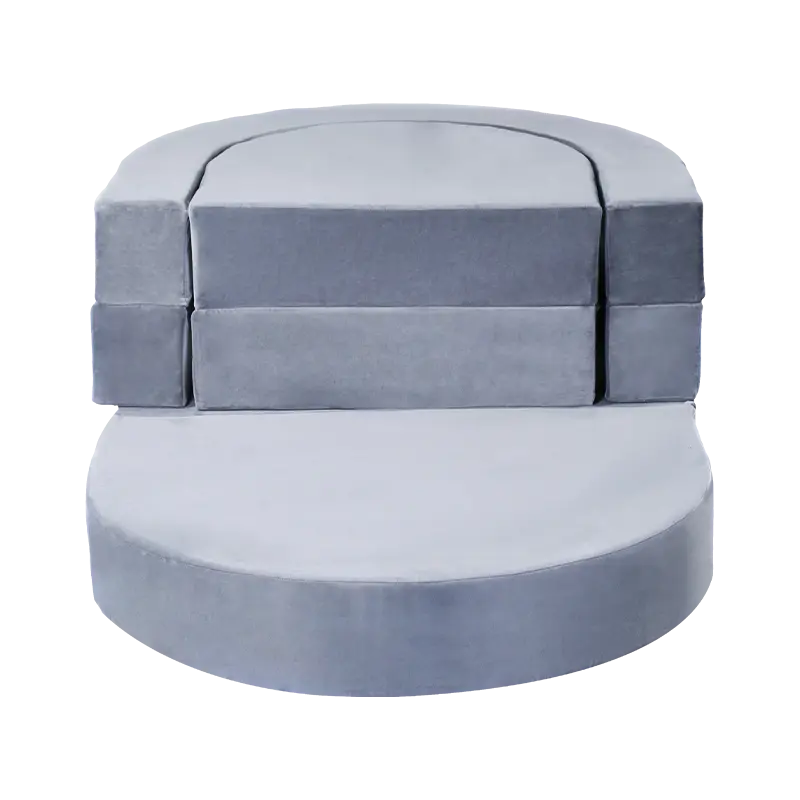
Every time the piece converts between sofa and bed, the fabric at the fold zones bends. Those zones accumulate stress over time. The fibers at the crease points experience repeated tension and compression cycles that accelerate wear relative to flat sections of the same fabric. A material that looks fine on a static sofa may show visible creasing, fiber breakdown, or delamination at exactly those points after regular use.
The secondary consideration is that sofa beds are used as sleeping surfaces, which means skin contact over extended periods. Breathability matters in a way it does not for a sofa cushion someone sits on for a few hours. Moisture management, softness against skin, and the absence of synthetic textures that feel warm or sticky at night all become relevant.
What Are the Main Fabric Categories for Sofa Bed Upholstery?
The upholstery market offers a wide range of options, but for practical sofa bed selection, the relevant categories come down to a manageable set of materials, each with distinct performance characteristics.
Polyester blends are the most commonly used upholstery fabric in mid-range furniture. Polyester fiber resists pilling under friction, holds color well over time, and is relatively easy to clean. Blended with other fibers like cotton or rayon, it can achieve a softer hand feel while retaining polyester's durability advantages. The trade-off is breathability — pure polyester traps heat and moisture more readily than natural fiber alternatives, which matters for a sleeping surface.
Linen and linen blends offer a natural, breathable texture that feels comfortable against skin. Linen is known for its strength — the fiber is naturally durable — but it wrinkles easily and can be more difficult to clean than synthetic alternatives. For sofa beds used occasionally as sleeping surfaces rather than nightly, linen's aesthetic and comfort properties can outweigh its maintenance demands. For daily sleepers, the wrinkling and cleaning difficulty may become frustrating over time.
Cotton and cotton blends sit between linen and polyester in most performance dimensions. Cotton is soft, breathable, and comfortable for extended contact — but it stains more easily than polyester and can pill with heavy friction use. Cotton-polyester blends attempt to capture breathability from the cotton content and durability from the polyester, and in practice, these blends perform reasonably well across most household sofa bed applications.
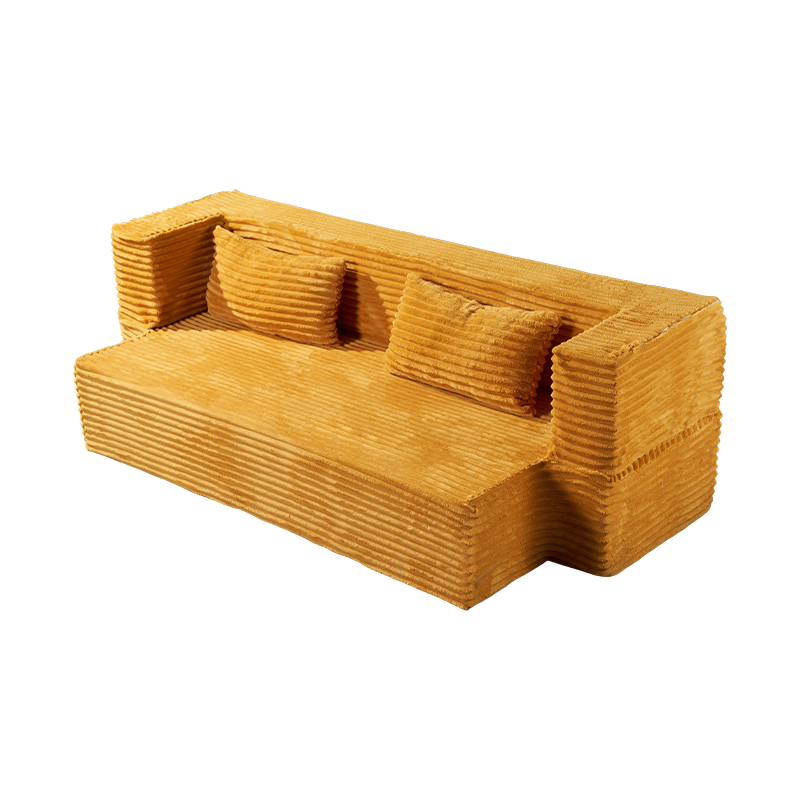
Velvet and microfiber velvet are popular for their aesthetic appeal — the texture reads as luxurious and the pile creates a soft surface. Microfiber velvet is more durable than traditional cut velvet and resists some staining reasonably well. The concern for sofa beds is at the fold zones: velvet pile can become permanently compressed or show wear lines at crease points over time, particularly with regular folding.
Faux leather and PU-coated fabrics offer wipe-clean convenience and a smooth aesthetic. They do not breathe, which is a real comfort issue for sleeping, and lower-quality PU coatings can crack or peel at fold zones within a few years of regular use. For sofa beds in spaces where the sleeping function is used infrequently, faux leather may be practical. For regular sleepers, the lack of breathability and fold-zone vulnerability are genuine drawbacks.
How Does Folding Frequency Affect Fabric Durability?
This is the dimension most fabric comparisons overlook — and it is particularly relevant for integrated designs where the folding mechanism is built into the structure rather than added as a secondary component.
Fabric durability in standard upholstery testing measures abrasion resistance on flat surfaces. Rub cycle counts tell you how well a fabric handles friction on a seat cushion. They do not directly measure how a fabric responds to repeated folding along a defined crease line, which is the failure mode that affects sofa bed upholstery specifically.
Materials that handle repeated folding better share some common characteristics:
- Higher thread count and tighter weave structures distribute the stress of bending more evenly across more fibers, reducing localized loading at individual threads
- Elastic recovery — the ability of the fiber to return toward its original dimensions after stretching — matters for maintaining appearance at fold zones over time
- Fiber length affects pilling tendency at abrasion points; longer staple fibers, whether natural or synthetic, pill less than short-staple equivalents under the same friction conditions
- Backing and bonding layers on composite fabrics affect how the face material deforms at the fold; a well-designed backing supports the face fabric through bending rather than allowing it to buckle independently
Practical implication: fabrics specified for integrated sofa beds benefit from being evaluated at the fold points specifically, not just assessed against general upholstery durability standards.
Which Fabrics Work Well for Households With Pets or Children?
Household conditions shape fabric requirements significantly. A guest room sofa bed used occasionally faces very different demands from a living room piece used daily by a family with pets and young children.
For high-demand households, the key fabric properties shift toward:
Stain resistance becomes the priority. Fabrics with tighter weave structures or applied stain-resistant treatments are harder for liquids to penetrate before they can be blotted. Polyester and polyester blends tend to perform better here than natural fibers, because the hydrophobic nature of synthetic fiber slows liquid absorption.
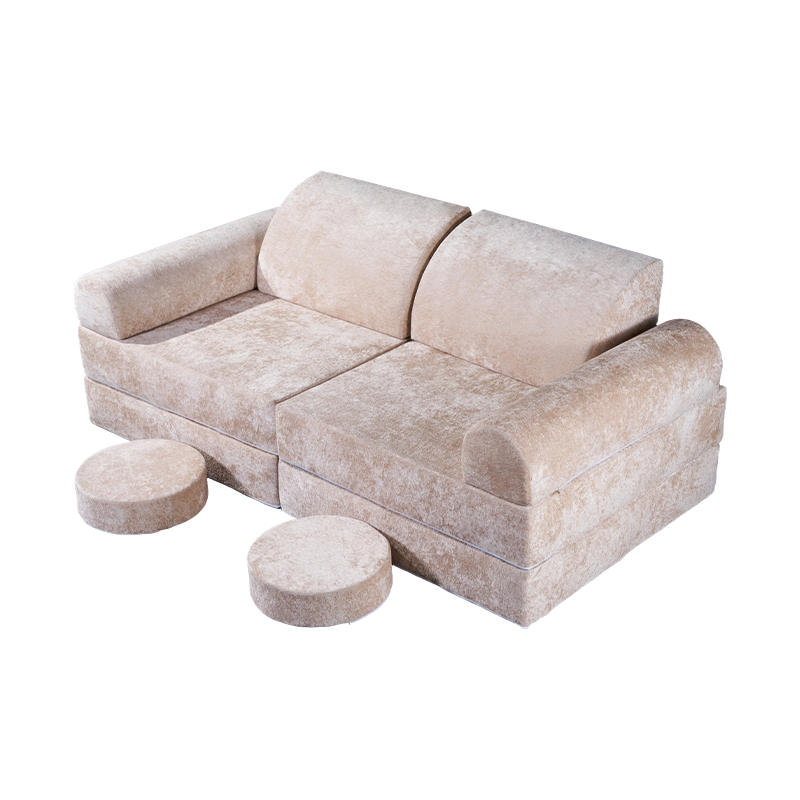
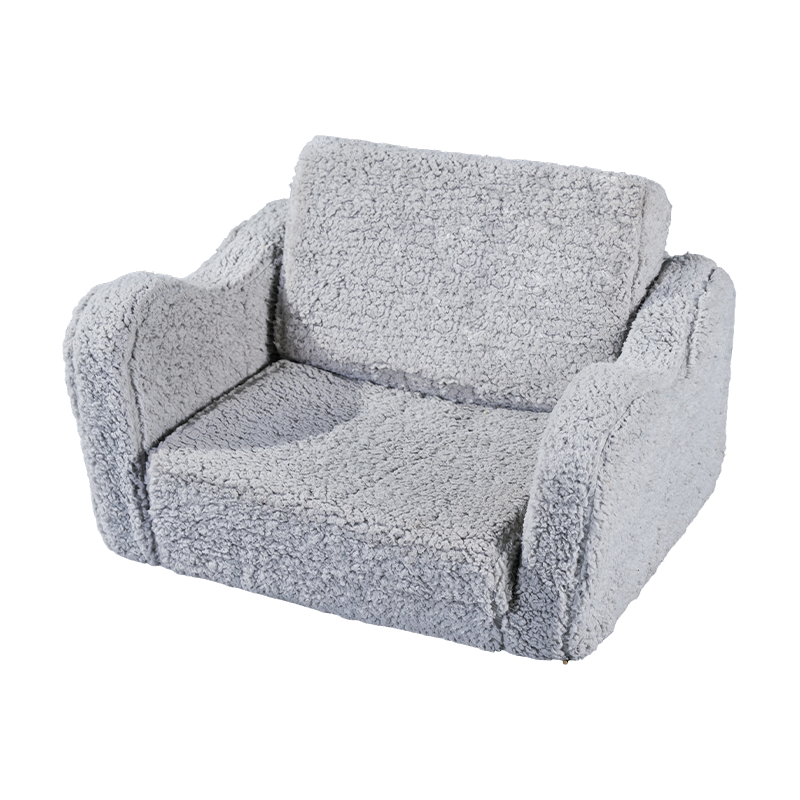
Pet hair release varies considerably by fabric texture. Smooth, tightly woven surfaces release pet hair more easily when brushed or lint-rolled. Textured fabrics — velvet, chenille, certain bouclés — trap pet hair in the pile structure and require more effort to clean. For households with shedding pets, this is a practical maintenance consideration that compounds over time.
Scratch resistance is relevant for cat owners in particular. Woven fabrics with tight, flat surfaces resist claw snagging better than looped or textured weaves where individual loops can be pulled. Microfiber with a suede-like finish tends to resist cat scratching damage better than open-weave linens or velvet.
Cleanability under regular washing or spot treatment matters for households with children. Some fabrics are rated for removable, machine-washable covers — a feature worth prioritizing if spills are a regular occurrence rather than an occasional concern.
Does Breathability Matter More Than Durability for Regular Sleepers?
The honest answer is that both matter, and the relative weighting depends on how often the sofa bed is used as a sleeping surface.
For occasional guest use — a few nights per month at most — durability and appearance retention in sofa mode are the primary drivers. The sleeping function is secondary, and a fabric that looks and wears well as sofa upholstery will serve the space adequately even if its breathability is not particularly high.
For regular nightly use — a studio apartment where the sofa bed is the primary sleeping surface — breathability becomes genuinely important for sleep comfort. Synthetic fabrics that trap heat and moisture create discomfort over a full night in contact with skin. In this scenario, cotton blends or linen blends that allow air circulation deserve serious consideration even if their maintenance demands are slightly higher than a pure polyester option.
The middle ground — several nights per week of sleeping use alongside regular sofa use — is where blended fabrics earn their value. A cotton-polyester blend with good weave density can offer reasonable breathability for sleeping combined with adequate stain resistance and durability for daily sofa use. The trade-off is imperfect in both directions, but it is often the most practical solution for the actual use pattern.
How Do Different Fabrics Compare Across Key Selection Factors?
| Fabric Type | Durability at Fold Zones | Breathability | Stain Resistance | Pet Suitability | Maintenance Demand |
|---|---|---|---|---|---|
| Polyester blend | Good — fiber resists crease breakdown | Low to moderate | Good — hydrophobic fiber | Moderate | Low |
| Cotton blend | Moderate — depends on weave density | High | Moderate — absorbs liquids | Moderate | Moderate |
| Linen blend | Good fiber strength, prone to wrinkling | High | Lower — absorbs stains | Lower | Higher |
| Microfiber velvet | Moderate — pile compression at folds | Low | Moderate | Lower — traps pet hair | Moderate |
| Faux leather / PU | Lower at fold zones — cracking risk | Very low | High — wipe clean | Good for hair | Low |
| Chenille | Lower — loop structure vulnerable at folds | Moderate | Lower | Lower — traps hair | Moderate to high |
| Performance fabric blends | Good — engineered for durability | Moderate | High — treated or engineered | Good | Low to moderate |
Reading across this comparison, no single fabric category covers every performance dimension well. The selection process is about identifying which factors matter most for the specific use case and accepting trade-offs in the dimensions that matter less.
What Does the Fold Zone Stress Mean for Long-Term Appearance?
Even when a fabric holds its structural integrity at fold zones, visual changes can appear over time that affect how the piece looks in sofa mode. This is a dimension that matters for living spaces where the furniture is the visual center of the room.
Permanent creasing at the fold line is the most common visible change. Fabrics with lower elastic recovery — some linens, some lower-grade polyesters — develop visible fold lines that do not relax fully when the piece is in sofa configuration. Over time, these lines become progressively more defined.
Pile compression in velvet and similar fabrics creates shading effects at the fold zone that are visible from across the room. The compressed pile reflects light differently from the surrounding intact pile, creating a stripe or shadow line that is difficult to reverse.
Fabric pulling at seam lines near the fold mechanism can cause the upholstery to dimple or gap where it is attached to the frame. This is partly a construction quality issue, but it is also affected by fabric extensibility — fabrics with some stretch tolerance in the weave handle the mechanical stress better than very rigid woven structures.
Requesting fabric samples and folding them repeatedly before finalizing a fabric selection is a practical way to assess how a specific material handles the stress before committing to a full order.
How Should Small Apartment Use Influence Fabric Selection?
Compact living spaces create a specific set of constraints that shift the fabric selection logic somewhat from what applies in larger homes.
In a small apartment where the sofa bed is the primary piece of furniture in the main living area, the fabric carries additional visual weight. Its color, texture, and ability to maintain a clean appearance over daily use affect how the entire space feels. Fabrics that wrinkle visibly, attract lint, or show wear at fold zones quickly undercut the overall aesthetic of the room.
Practical considerations for compact space use:
- Darker or patterned fabrics hide everyday surface marking — body oils, surface dust, minor transfer from clothing — more effectively than light solid colors
- Smooth, tightly woven surfaces are easier to keep looking clean between deep cleans
- Removable and washable covers are worth prioritizing for furniture that doubles as a sleeping surface, because regular laundering maintains hygiene and appearance simultaneously
- Fabrics with low pile or no pile generally maintain their appearance longer in frequent-use settings than textured alternatives
What Maintenance Commitment Does Each Fabric Type Require?
The maintenance burden of a fabric is a real cost over the furniture's service life — not just in time but in cleaning product expenditure and the eventual need for professional cleaning or reupholstering.
A practical maintenance assessment by fabric category:
Polyester and polyester blends: Surface cleaning with a damp cloth handles most spills if addressed quickly. Mild detergent for more significant marks. Does not require professional cleaning as frequently as natural fibers.
Cotton and linen: More absorbent, so spills need faster response. Linen in particular can water-spot if not cleaned carefully. Professional cleaning may be needed for significant stains that have set.
Velvet and microfiber velvet: Regular brushing to maintain pile direction and prevent matting. Spot cleaning with appropriate products. Avoid vigorous rubbing which crushes the pile permanently.
Faux leather: Wipe-clean surface handles most everyday marks easily. Conditioning products extend the life of PU coatings. Cracking at fold zones in lower-quality products is irreversible.
Performance fabrics: Engineered for easy cleaning — typically handle machine washing or strong spot treatment without damage. Higher upfront material cost is partly offset by lower maintenance demand over time.
Making a Fabric Decision That Holds Up Over Time
Fabric selection for an integrated sofa bed is ultimately a set of trade-offs that only resolve clearly once the actual use conditions are defined. A material that performs well for a guest room piece used occasionally looks different from the right choice for a daily-use studio apartment bed, and both of those differ from the requirements of a family living room with pets and children. The fold zone behavior, breathability for sleeping, stain resistance for daily use, and visual maintenance all interact — and prioritizing them correctly for the specific setting produces a choice that holds up rather than one that disappoints within the first year. For furniture buyers, importers, and designers specifying upholstered pieces at scale, working with a supplier who understands the relationship between fabric properties and furniture function makes the selection process considerably more reliable. Taizhou Lishida New Material Technology Co., Ltd. supplies upholstery fabric solutions with the technical knowledge and product range to support informed material selection for integrated sofa beds and other functional furniture applications. If your current sofa bed fabric specification is not meeting performance expectations, or if you are sourcing materials for a new product line, a conversation about the specific use requirements is a practical starting point.
 Previous