English
 Deutsch
 عربى
عربىNews
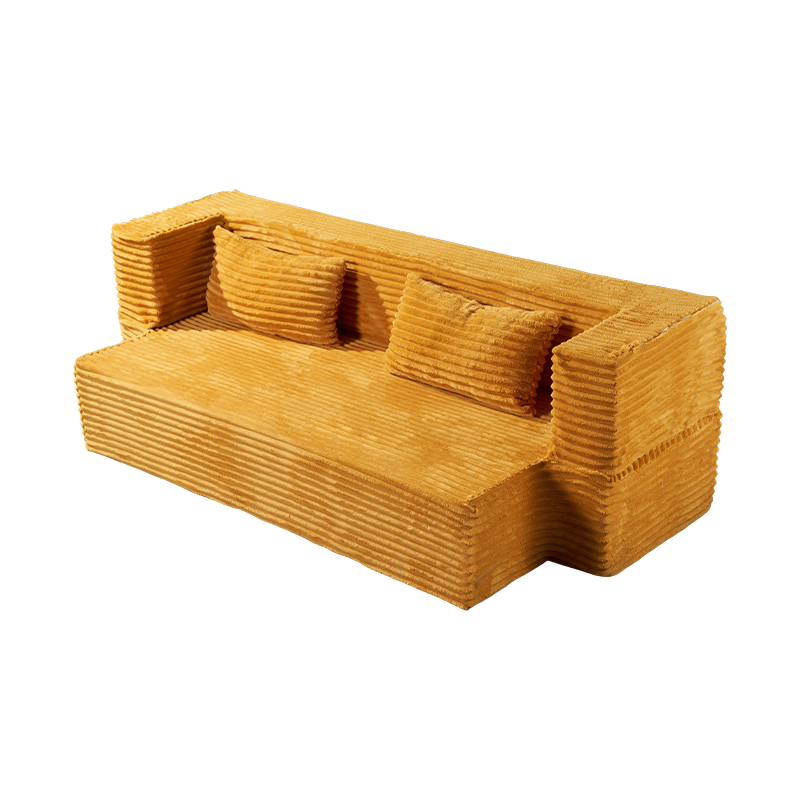
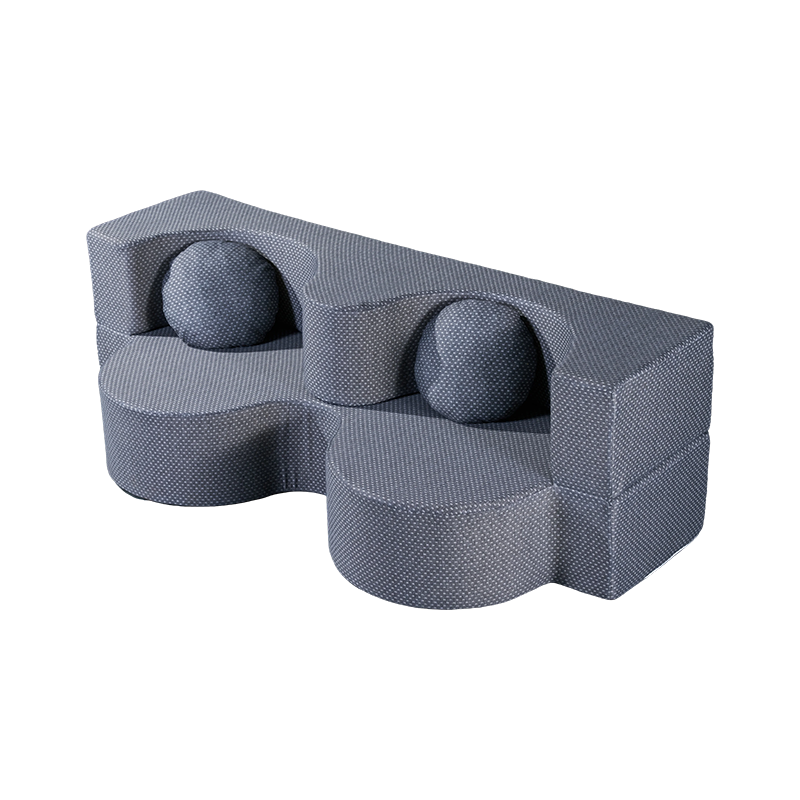
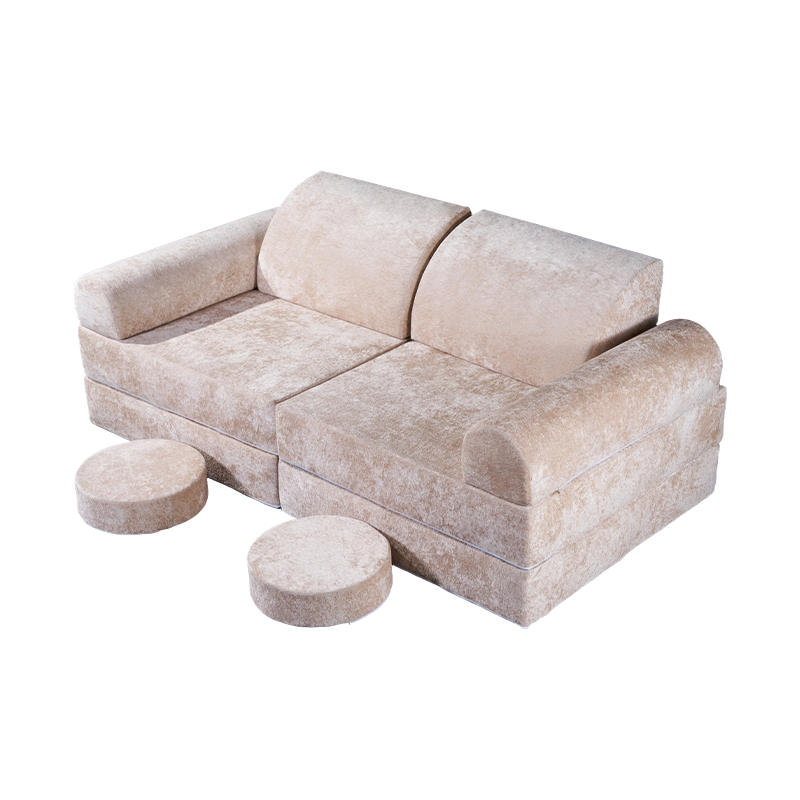
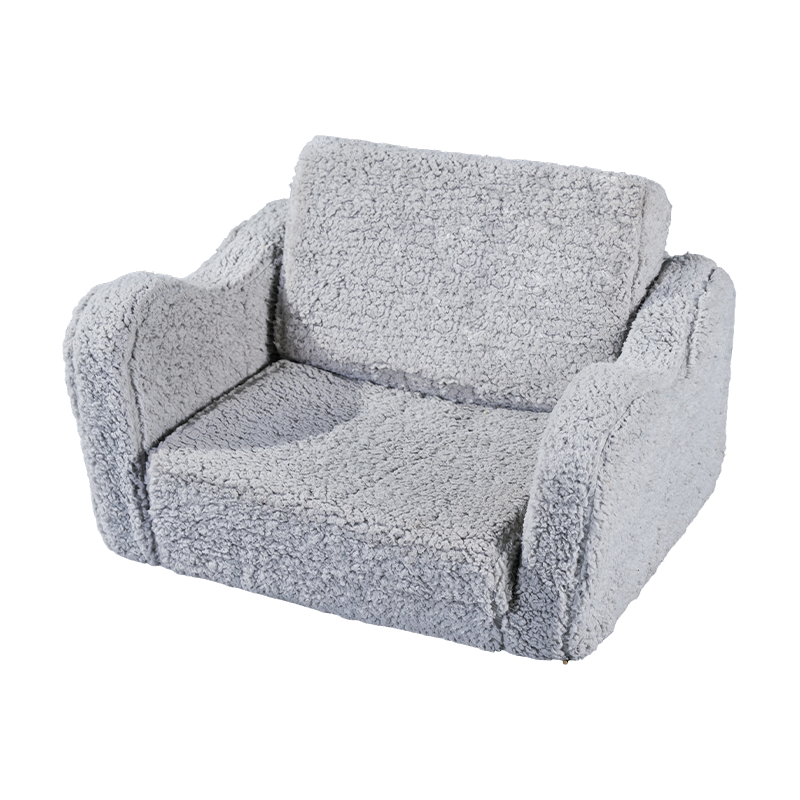
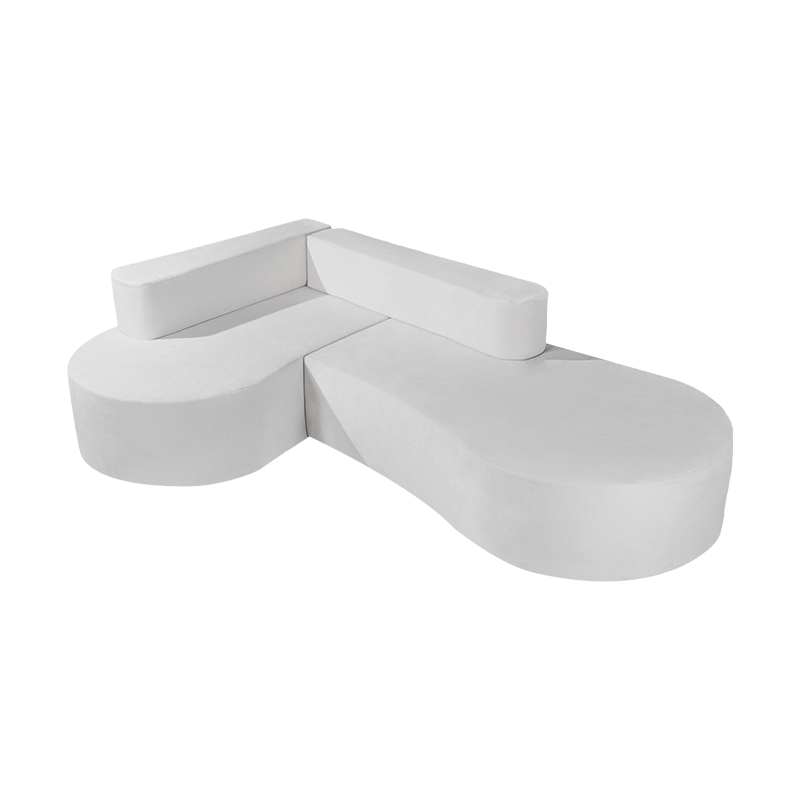
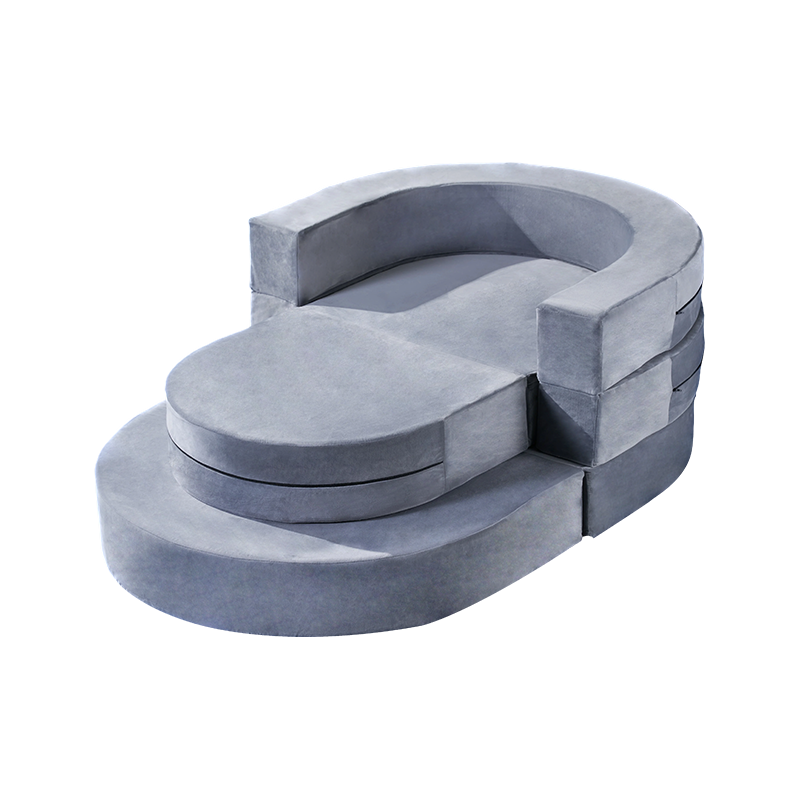
Small apartment living often forces tough choices between decent seating during the day and a decent place for guests to crash at night. Young families and single professionals constantly feel the squeeze when traditional pull-out sofas eat up precious floor space or turn into a chore every time they need unfolding. An Integrated Sofa Bed changes the game by merging both functions into one piece that feels natural for daily life in compact homes.
Design Approaches Shape Everyday Convenience
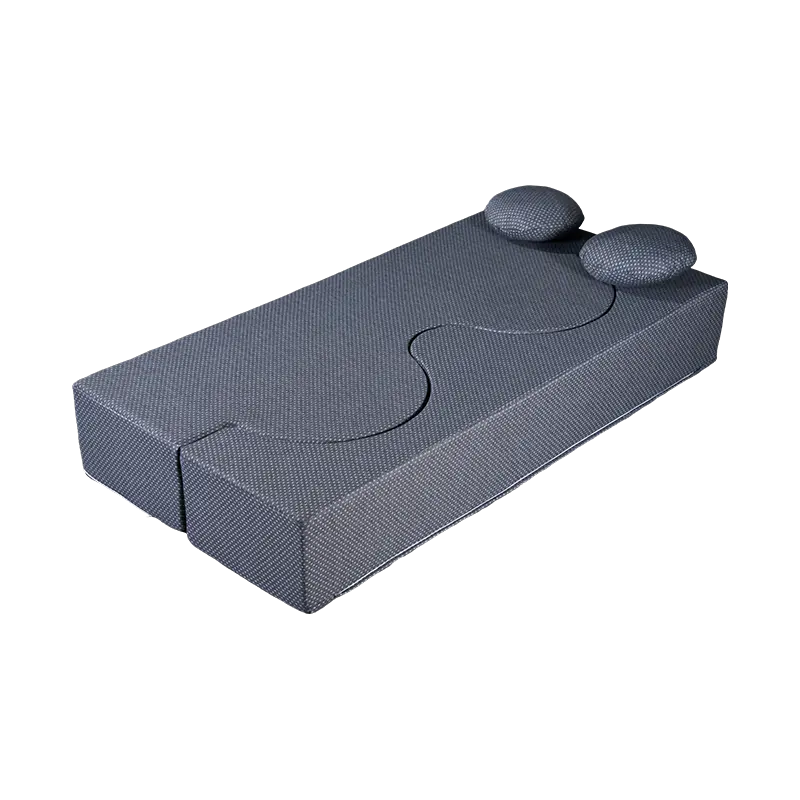
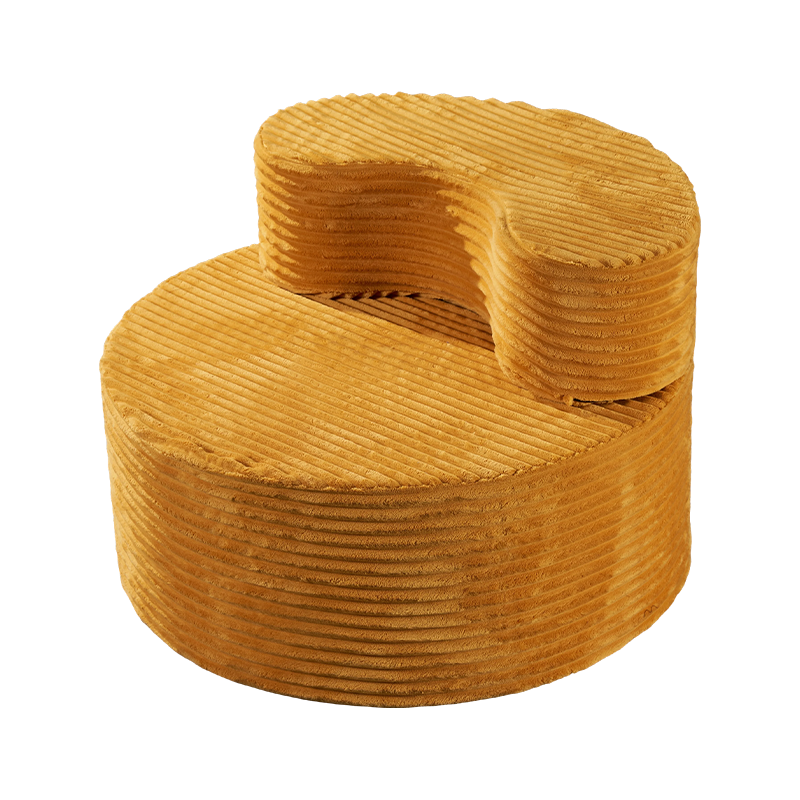
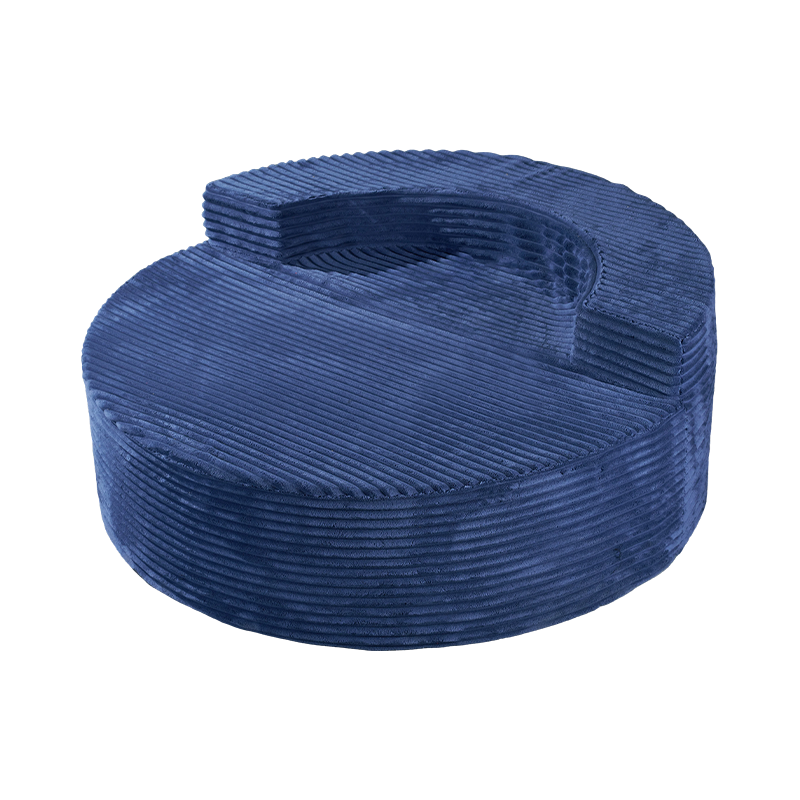
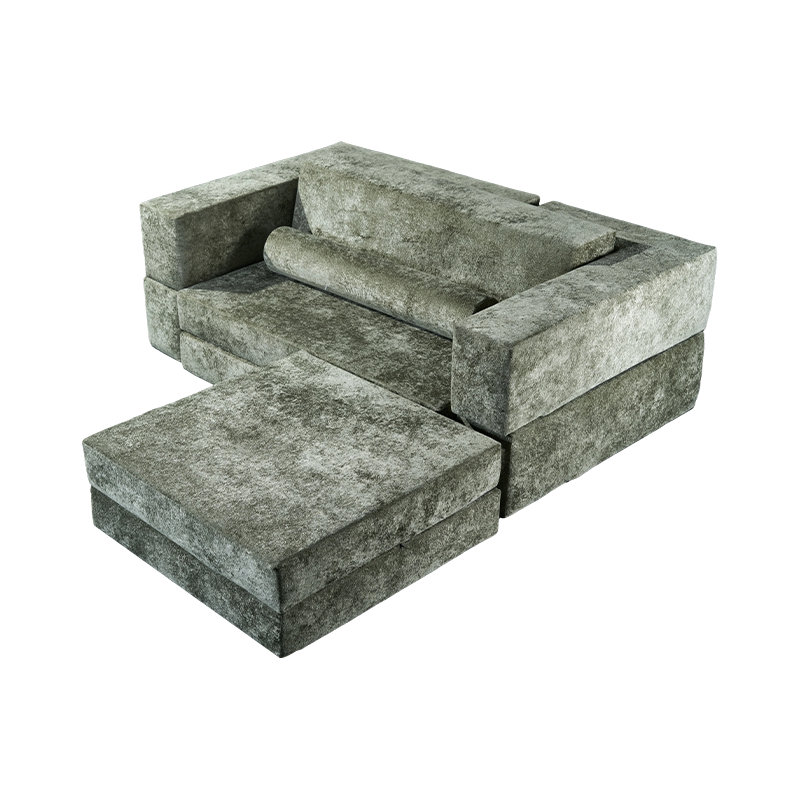
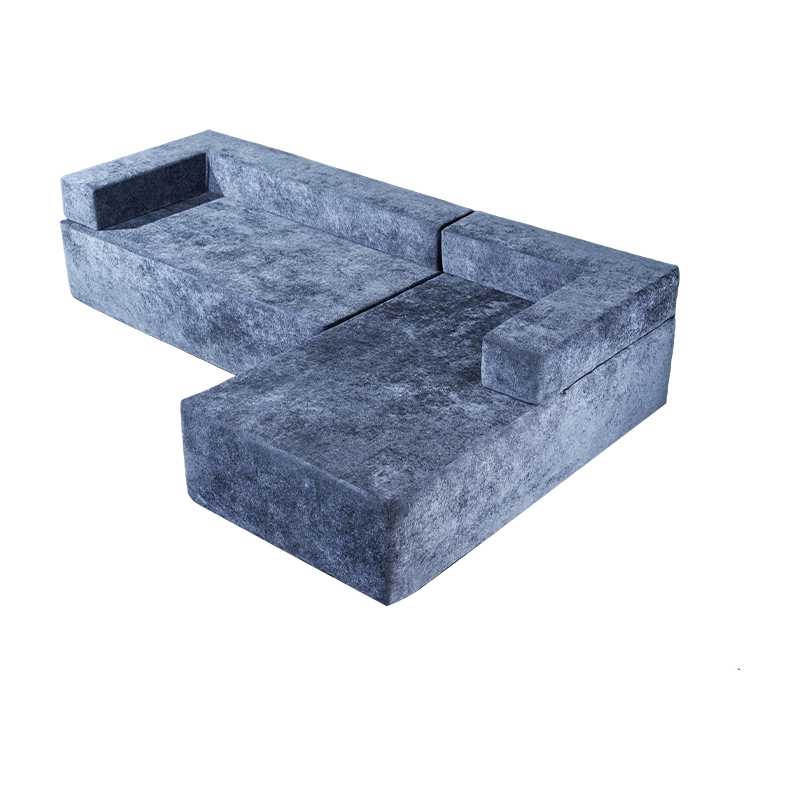
Integrated Sofa Bed designs skip the heavy frames and metal tracks that traditional sleeper sofas usually rely on. Instead, they focus on smoother ways to switch between sitting and sleeping. That shift makes a real impact when your living room doubles as a guest room on short notice.
How Does the Conversion Process Compare?
You can often just fold or adjust sections on an integrated model with a couple of easy movements. Traditional versions tend to involve dragging out a heavier mechanism that needs room to breathe. Anyone who has wrestled with one in a narrow studio knows how those extra seconds and steps add up on busy evenings.
Space Utilization Differs Significantly
An integrated piece stays compact in its seating form and does not push far into the room when converted. Pull-out sleepers demand clear space in front, which quickly clashes with coffee tables, rugs, or pathways in smaller setups. Renters quickly learn to value every saved inch when arranging furniture around real daily movement.
Comfort Levels Vary by Design Type
The foam layers in integrated constructions deliver steady support whether you are curled up with a laptop or stretched out for the night. Traditional sleepers hide a separate mattress that sometimes feels lumpy after being tucked away. A lot of people end up preferring the consistent feel for regular lounging since the sofa no longer has to compromise as much.
- Integrated foam adapts across positions in a way that feels thoughtful for mixed use.
- Traditional styles split the sensation between everyday cushions and the hidden bed.
- Quick surface cleaning keeps integrated models looking fresh.
- Fabrics tend to balance softness with the ability to handle frequent contact.
Durability Considerations for Daily Life
Integrated Sofa Bed constructions avoid many of the squeaks and loose parts that come with repeated folding mechanisms. Traditional sleepers need occasional checks to keep things running smoothly. In homes where the sofa works nonstop, having fewer moving pieces quietly saves time and attention later.
You notice the difference especially after a few months when one style stays quiet and cooperative while the other starts reminding you of its hardware.
Which Style Suits Small Apartment Living?
Professionals who host friends now and then often lean toward the quick transition integrated designs offer. Young families like how cleanly these pieces fit into simple, modern setups without screaming dual-purpose. Your own pattern of use eventually shows which option feels less like furniture and more like part of the home.
What About Maintenance and Cleaning?
Wiping down or vacuuming integrated surfaces usually takes just a few minutes without disassembly. Traditional models hide spots that collect dust and require more work to reach. For busy schedules, that simpler routine turns into one less thing to put off until the weekend.
Cost and Long-Term Value Factors
Construction differences affect pricing through the presence of complex internal systems or their absence. Integrated Sofa Bed options put more focus on unified comfort instead of separate moving parts. Over time, the easier daily experience and lower upkeep often shape how well the piece fits into apartment routines.
Here is a comparison of key aspects:
| Aspect | Integrated Sofa Bed Approach | Traditional Sleeper Sofa Approach | Common User Feedback |
|---|---|---|---|
| Conversion | Simple fold or flip | Pull-out mechanism | Faster daily switching |
| Space Requirement | Minimal extension | Needs clear floor area | Better for tight layouts |
| Daily Comfort | Consistent foam support | Separate seating and sleep layers | Smoother for regular sitting |
| Maintenance | Easy surface cleaning | More involved due to hidden parts | Less time spent on upkeep |
Aesthetic Integration in Modern Homes
Clean lines on integrated designs blend easily into contemporary small spaces without drawing extra attention. Traditional sleepers sometimes look heavier because of the built-in hardware they carry. The visual calm matters a lot when your living area handles work, relaxation, and guests all in one go.
How Do Materials Influence the Feel?
Foam combinations in integrated pieces respond differently depending on whether you sit upright during the day or lie down at night. Traditional hidden mattresses give a classic bed sensation but can change after repeated folding. Your typical evenings usually reveal which sensation suits your habits better.
Storage Solutions and Practicality
Some integrated models offer modest hidden storage for throws or pillows while keeping the conversion straightforward. Traditional designs use much of their internal space for mechanisms, leaving less room for extras. In tight apartments, those little storage wins become surprisingly useful during different seasons.
Versatility for Different Living Situations
Young families see their needs evolve as kids grow or visitors drop by more often. Single professionals enjoy furniture that handles both quiet nights and spontaneous gatherings. Real life patterns tend to highlight which style supports your actual rhythm without forcing adjustments.
Long-Term Ownership Experiences
Unified integrated constructions often hold up their everyday look through constant seating use. Traditional versions manage occasional guest duty well but can show wear around the moving joints with heavy daily traffic. Paying attention to how your household actually lives with the sofa gives clearer answers than specs alone.
Understanding Your Space Constraints
Walking around your room and noting natural traffic paths helps picture what will actually function well. Integrated Sofa Bed designs frequently solve situations where pull-out styles would constantly get in the way. Taking time with measurements and mental rehearsals avoids choices that look good in pictures but frustrate once unpacked.
Weighing Guest Frequency Against Daily Use
Households that see visitors only a handful of times a year tend to prioritize comfortable seating with easy conversion. Those needing a reliable sleep surface more regularly consider mechanisms from a different angle. Your real calendar of activities ends up shaping satisfaction more than any single selling point.
The choice between these furniture types ultimately comes down to matching how you actually live in your space day after day. An Integrated Sofa Bed brings together practical seating and sleeping capability with fewer daily complications for compact homes. For reliable manufacturing support and options tailored to modern living needs, reach out to Taizhou Lishida New Material Technology Co., Ltd. Connect with them to discuss your apartment layout, explore different configurations that match your style preferences, or learn about materials that support easy maintenance and versatile daily use. Taking that step helps you find furniture that truly fits your routines and creates a more functional home environment for years ahead while addressing the space challenges you face in your current living situation every single day.
 Previous