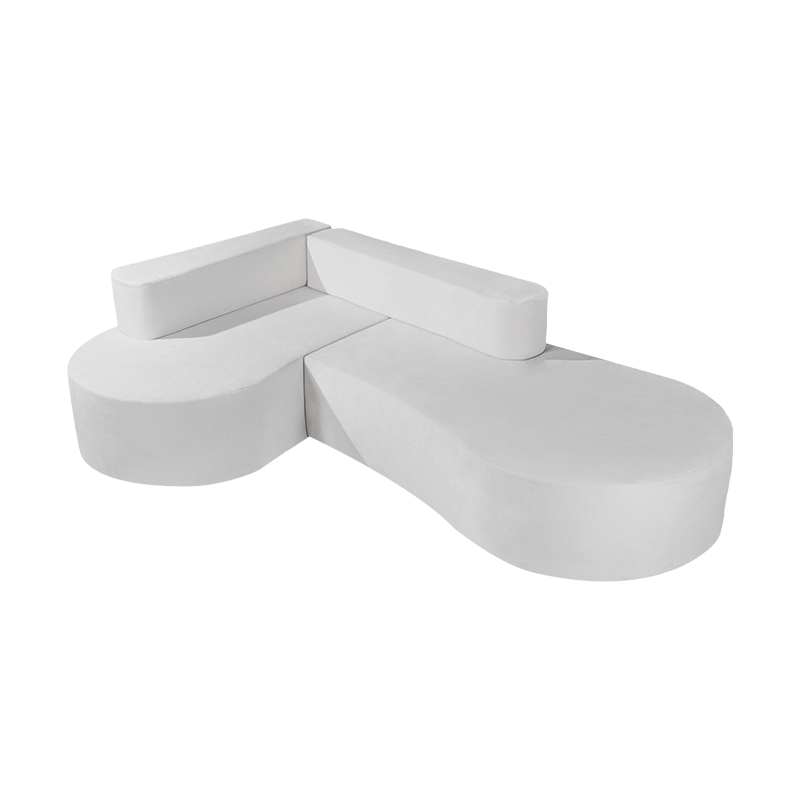
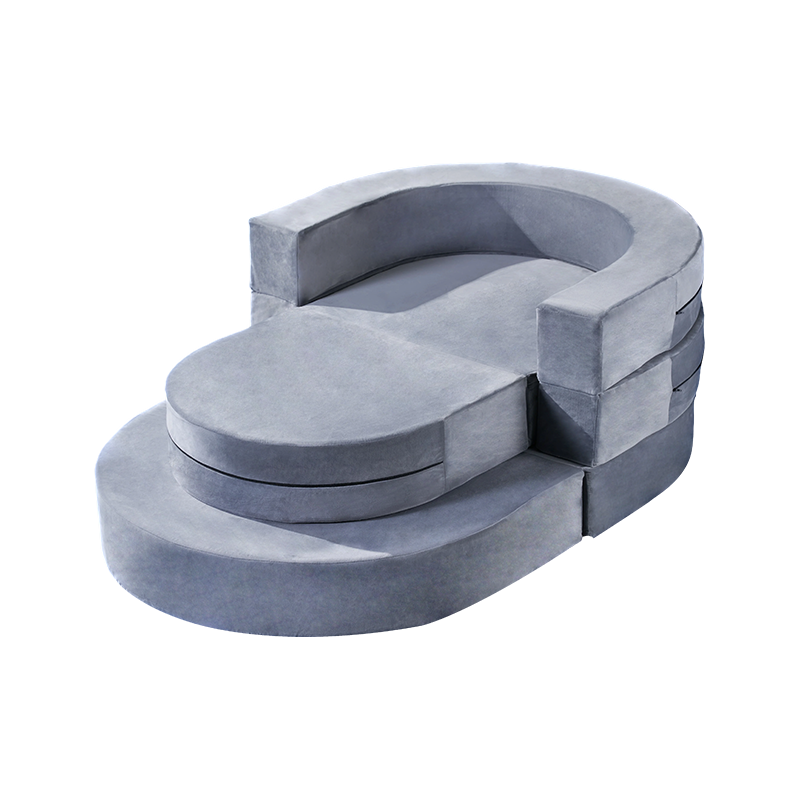
English
 Deutsch
 عربى
عربىNews
Living in a small apartment means making decisions that larger spaces never require. Where does the bed go when you need the floor? Where do guests sleep without taking over the only room? How do you create a living space that feels like a home and not a storage unit rearranged around a mattress? An Integrated Sofa Bed answers these questions not by eliminating the problem but by dissolving it — collapsing two pieces of furniture into one, giving the room back its daytime function, and providing a sleeping surface that does not require a dedicated room to justify its presence.
Why Small Apartments Create Specific Furniture Challenges
Floor Space Is a Finite Resource That Conventional Furniture Ignores
A standard bedroom setup — bed frame, mattress, nightstands — occupies a significant portion of a studio or one-bedroom apartment floor. During the sixteen or more hours each day when the bed is not in use, that floor space is locked up. The room cannot be used for anything else. In a larger apartment, this is an inconvenience. In a small one, it defines the entire character of how the space can be used.
The same problem exists at a smaller scale with sofas. A sofa takes up floor area. A bed takes up floor area. In a compact apartment, asking the room to hold both, independently, often means the layout becomes about furniture rather than about living.
Guest Accommodation Without a Dedicated Guest Room
Hosting guests in a small apartment is a logistical challenge that most people solve with an air mattress on the floor, a fold-out cot, or simply declining to host. None of these are satisfying solutions. An air mattress requires storage when not in use and does not provide a real sleeping experience. A fold-out cot has the same storage problem. And turning guests away creates a different kind of limitation.
The sleeping-plus-seating combination is not a new concept, but the quality of execution across different product types varies enormously. An Integrated Sofa Bed that functions genuinely well as both a sofa during the day and a bed at night is a different product category from the cheap fold-out sofa beds that sag in the middle and leave users sore in the morning.
What Makes an Integrated Sofa Bed Different From a Standard Sofa Bed
The Integration Is About Seamless Function, Not Just Dual Purpose
Many sofas can technically convert to a sleeping surface. The question is whether they do it well. A standard fold-out sofa bed has a metal frame that unfolds, a thin mattress that lives folded inside the sofa body, and a mechanism that requires two people and some effort to operate. The sleeping surface is usually acceptable but rarely comfortable. The transition takes time. The mechanism adds weight and complexity.
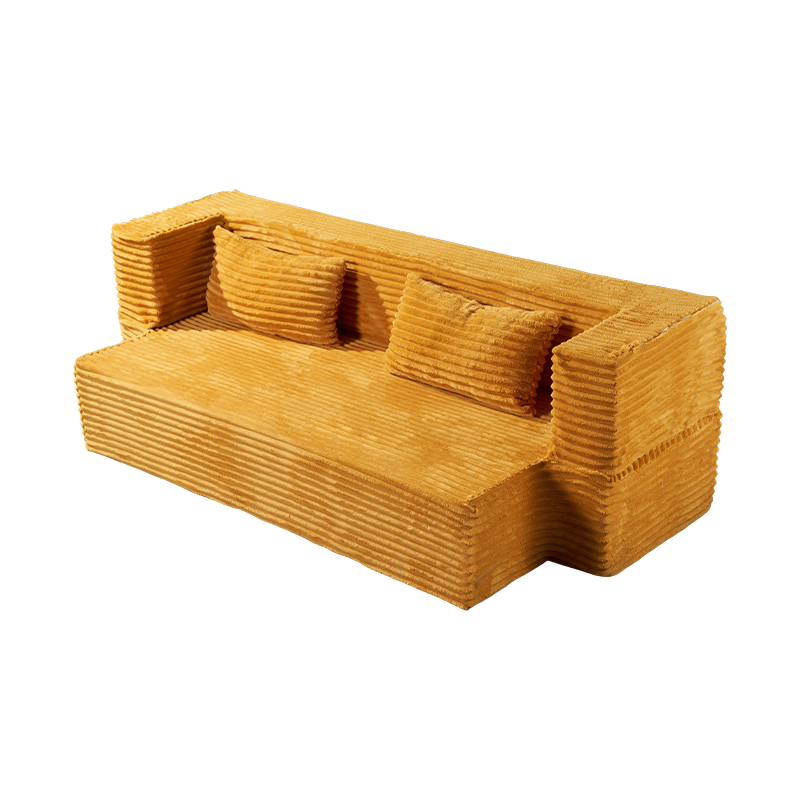
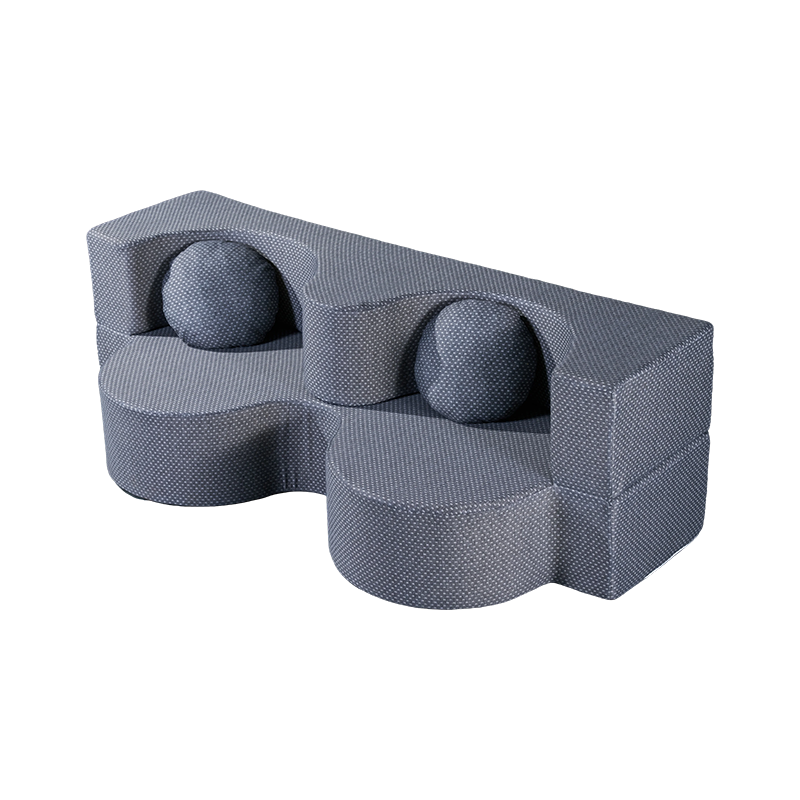
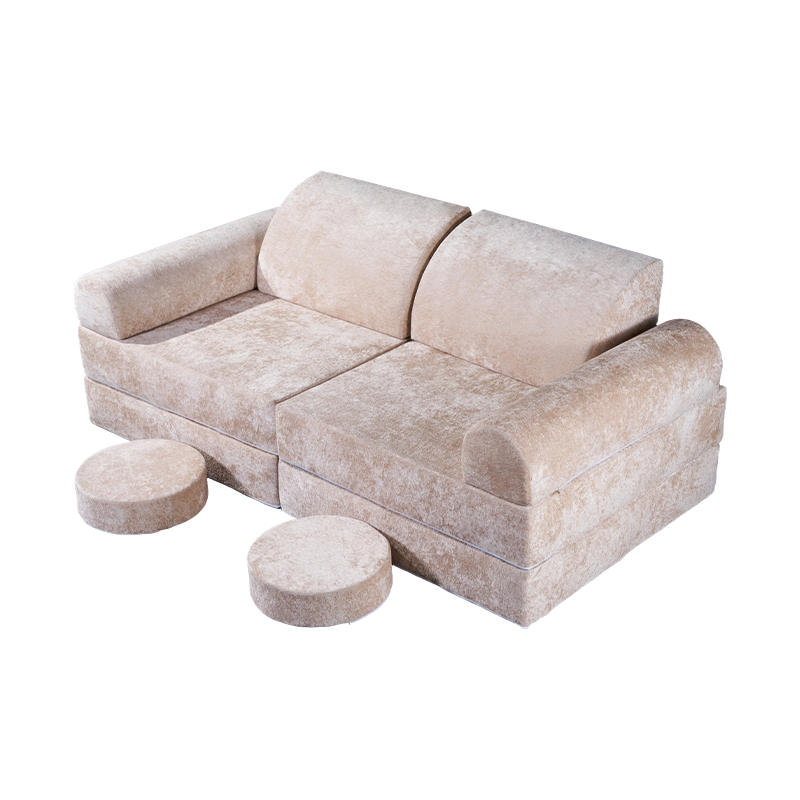
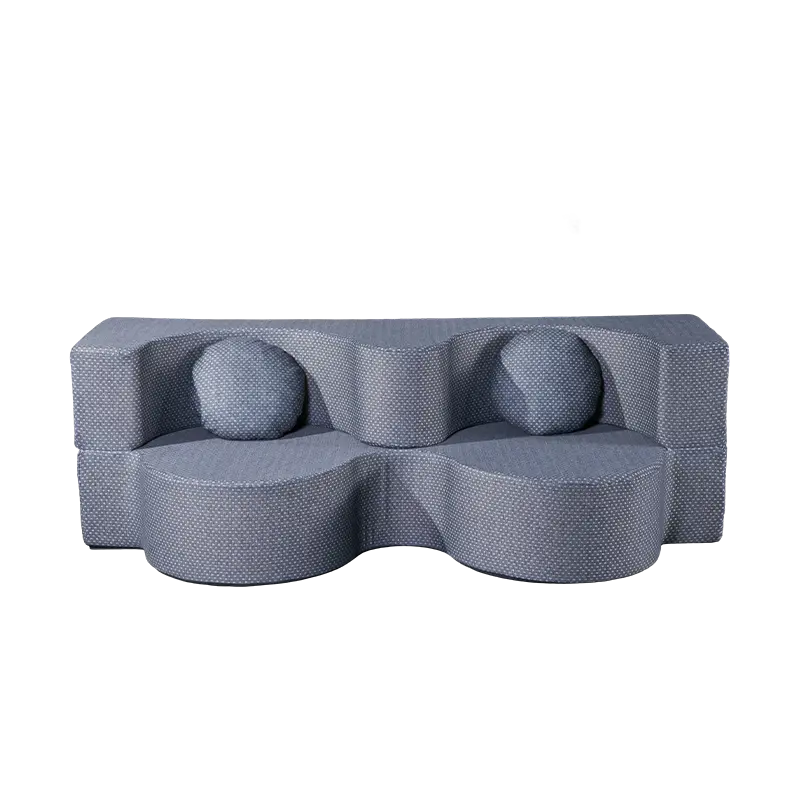
An Integrated Sofa Bed approaches the combination from a different direction. Rather than folding a mattress inside a sofa frame, the design integrates sleeping and sitting functions into the structure itself — modular cushion systems that reconfigure, pull-out bases that extend without unfolding a hinged frame, or layered foam constructions that provide both seat firmness and sleeping comfort depending on configuration.
The distinction matters because it determines whether the piece of furniture actually replaces both a sofa and a bed, or simply offers a backup sleeping option that nobody wants to use.
How Does the Mechanism Affect Daily Usability?
Daily use is the test that separates useful furniture from furniture that gets avoided. A conversion mechanism that requires significant effort, makes noise, or leaves the room in a half-converted state discourages use. Over time, people stop converting the piece and just live with it in one configuration — which defeats the purpose.
Mechanisms worth evaluating for daily use include:
- Pull-out base with a separate sleeping surface that slides out without unfolding
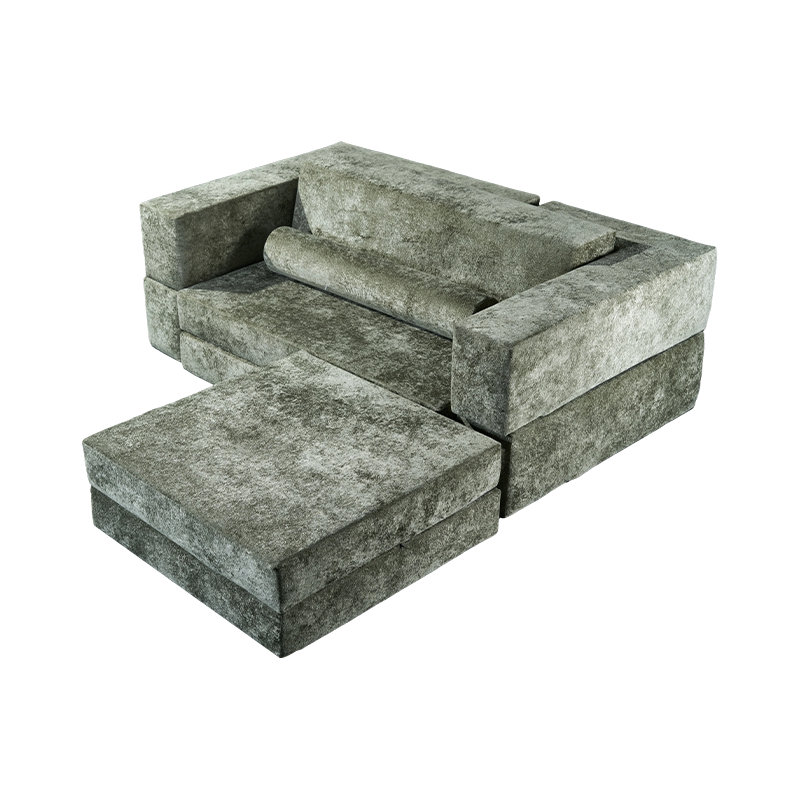
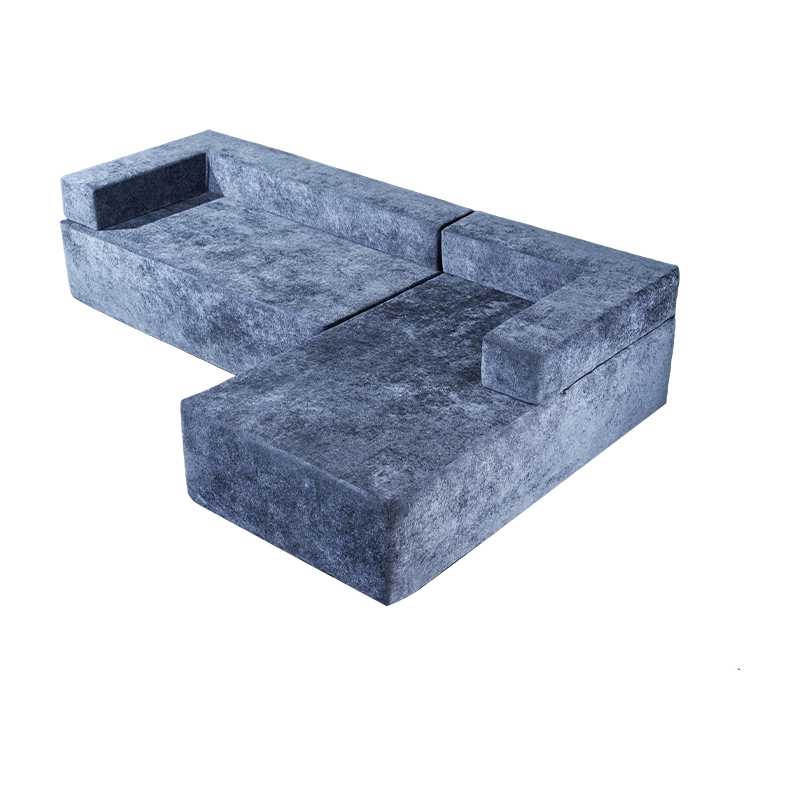
- Modular configurations where cushion sections reposition to create a flat sleeping area
- Fold-down back designs that lower the sofa back to create a wider sleeping surface
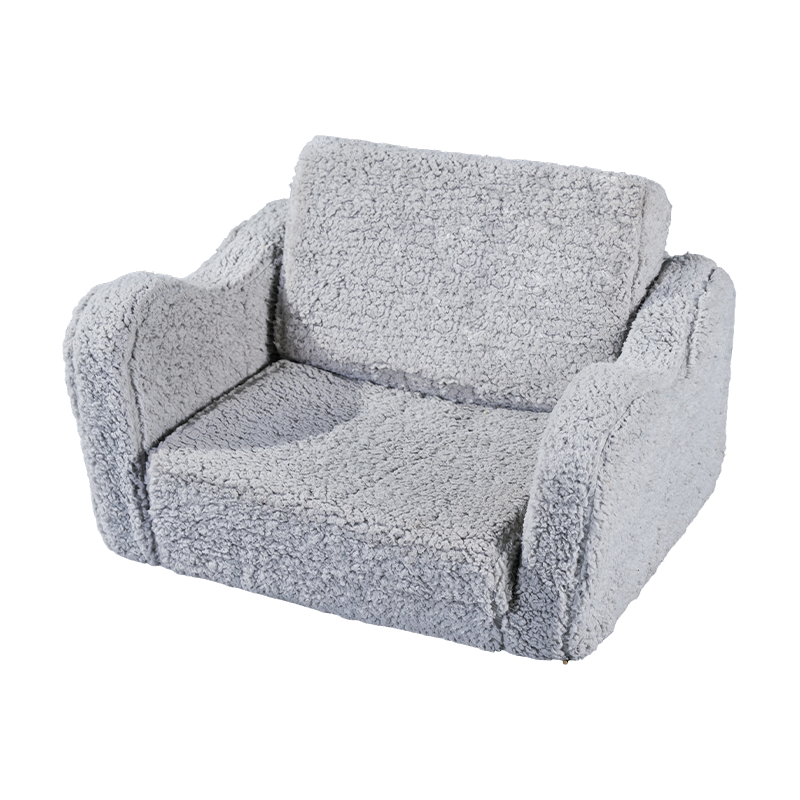
- Click-clack mechanisms that adjust between seating and reclining positions without a full conversion
The practical test is whether one person can convert the piece alone, in under a minute, without moving other furniture to create clearance.
The Space-Saving Logic: How One Piece Replaces Two
Eliminating Redundant Furniture Changes the Room's Geometry
The floor space occupied by a sofa bed is roughly equivalent to a sofa. A separate bed would add more floor area on top of that. When the sofa bed replaces the bed entirely — not as a backup but as the primary sleeping surface — the room gains the area that a bed frame and its surrounding clearance would have occupied.
In a studio apartment, this can mean the difference between a room that feels cramped and one that has space to breathe. An open area of floor changes how a room reads spatially, how easy it is to move through it, and whether activities other than sleeping and sitting are even possible.
Storage-Integrated Designs Add Another Layer of Efficiency
Some Integrated Sofa Bed designs include storage within the structure — a base that lifts or drawers that pull out from the side, providing a place for bedding, pillows, or other items without adding separate storage furniture. This matters in small apartments where the cost of every square meter of floor space extends to every piece of furniture that sits on it.
A sofa bed with integrated storage removes the need for a separate blanket chest, storage ottoman, or under-bed storage system. The consolidation extends beyond just the sleeping and sitting functions.
Comparing Integrated Sofa Bed Types for Small Apartment Use
How different sofa bed configurations address small-space requirements across practical dimensions:
| Type | Conversion Effort | Sleeping Comfort | Daytime Appearance | Storage Option | Suited For |
|---|---|---|---|---|---|
| Pull-out frame sofa bed | Moderate | Moderate | Sofa-like | Rarely | Occasional guest use |
| Modular sectional sofa bed | Low | Good | Sectional sofa | Sometimes | Daily use, studios |
| Click-clack recliner sofa bed | Very low | Moderate | Recliner sofa | No | Solo occupant, small space |
| Fold-down back sofa bed | Low | Good | Standard sofa | Sometimes | Regular guest accommodation |
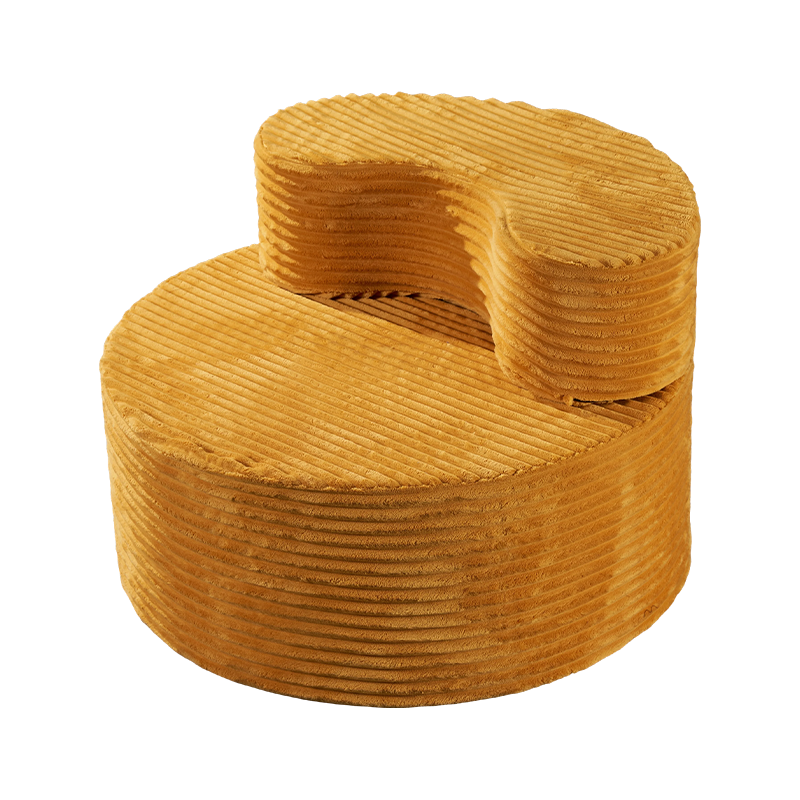
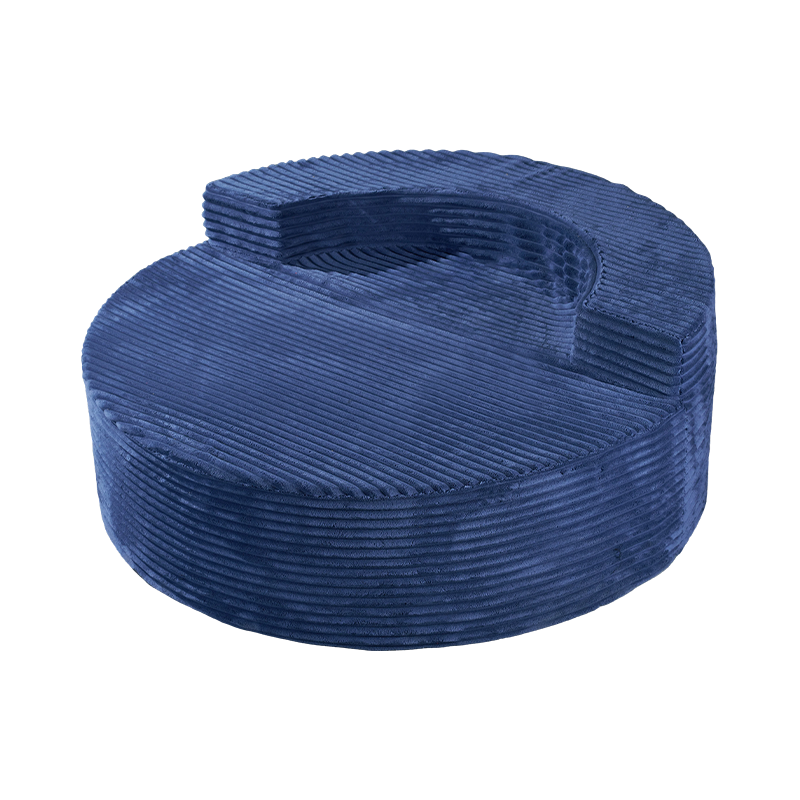
| Ottoman sofa bed | Low | Moderate | Ottoman or bench | No | Very small spaces, accent use |
| Compressed foam sofa bed | Low | Good | Sofa | Sometimes | Rental, Airbnb, furnished apartments |
The pull-out frame type is the most familiar but often performs least well on daily usability. Modular and fold-down designs offer better sleeping comfort with lower conversion effort, which is why they appear more frequently in higher-end small-apartment furnishing contexts.
Practical Considerations When Choosing an Integrated Sofa Bed
Does the Sleeping Surface Actually Work for Regular Use?
This question is worth asking directly because the answer varies significantly between products. Sofa cushion foam is typically firmer and shallower than mattress foam. A sofa that converts to a sleeping surface by reconfiguring its cushions may not provide the support depth or foam density that most people need for regular, comfortable sleep.
Products designed with sleeping comfort as a genuine design requirement — not an afterthought — use layered foam constructions, separate sleeping surfaces that deploy from the base, or mattress-grade foam within the sleeping section of the piece. If the sofa bed will be used as the primary bed rather than occasional guest accommodation, the sleeping surface specification is worth evaluating as carefully as the sofa comfort.
How Does Compressed Packaging Affect Delivery and Setup?
Vacuum-compressed sofa beds are shipped in a significantly reduced package volume compared to conventionally packaged furniture. The foam is compressed and sealed, expanding to its full form after the packaging is opened. For apartments in multi-story buildings without service elevators, or for properties with narrow stairwells and corridors, compressed packaging can make the difference between a delivery that is manageable and one that requires a team and significant maneuvering.
Setup is typically straightforward — remove the packaging, allow the foam to expand, and the piece is ready for use within hours. No assembly of a frame structure is required. For rental properties, furnished apartments, and hospitality applications where efficient delivery and fast setup are operational requirements, this is a meaningful practical advantage.
What Room Layouts Work Well With a Sofa Bed as the Primary Piece?
Integrated Sofa Beds work in room layouts where the sofa position makes sense for both daytime living and nighttime sleeping. A few layout considerations:
- The sofa needs to be positioned so conversion does not require moving other furniture out of the way
- Clearance on at least one side of the sleeping configuration allows access to the sleeping surface
- Natural light and ventilation for the sleeping area matter if the sofa bed is used nightly
- Placement near a window is compatible with sofa use but may create light management issues for sleeping
Studios and open-plan one-bedroom layouts typically accommodate sofa beds well because the furniture arrangement is flexible. Compartmentalized floor plans with designated room areas present more constraints.
Sourcing Integrated Sofa Beds for Furnished Properties and Hospitality Projects
The space-saving value of an Integrated Sofa Bed is most significant when the furniture quality matches the functional claim. A piece that looks like both a sofa and a bed but functions well as neither does not solve the space problem — it creates a new one. For property developers, furnished apartment operators, hospitality buyers, and furniture distributors sourcing sofa beds at volume, the production quality of the conversion mechanism, the foam specification for both seating and sleeping, and the durability of the frame under daily use cycles are the variables that determine whether the product delivers on its promise across a full property inventory. Taizhou Lishida New Material Technology Co., Ltd. produces Integrated Sofa Beds including compressed packaging designs suited for small apartment, rental, and hospitality furnishing applications, with manufacturing capability covering different conversion mechanisms, foam configurations, and size formats. Contacting their team to discuss product specifications, volume requirements, or custom configuration options is a practical way to assess whether their production range aligns with your furnishing project needs.
 Previous