English
 Deutsch
 عربى
عربىNews
Furniture design keeps shifting as people expect their living spaces to pull double or even triple duty. A sofa needs to offer a comfortable place to sit, support casual conversation, fit into whatever layout the room happens to have, and still look like it belongs in the space rather than just filling it.
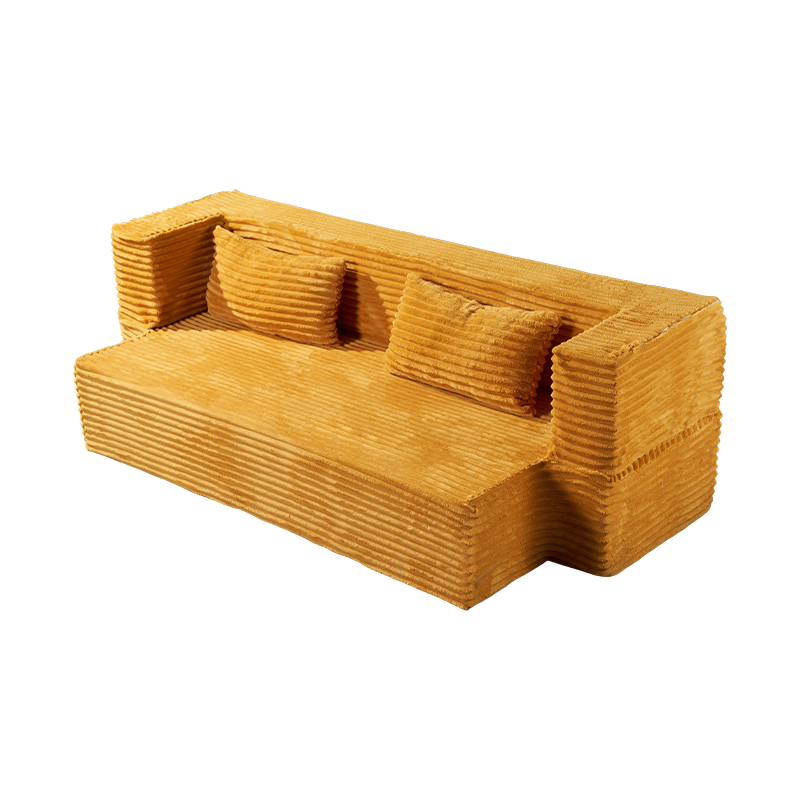
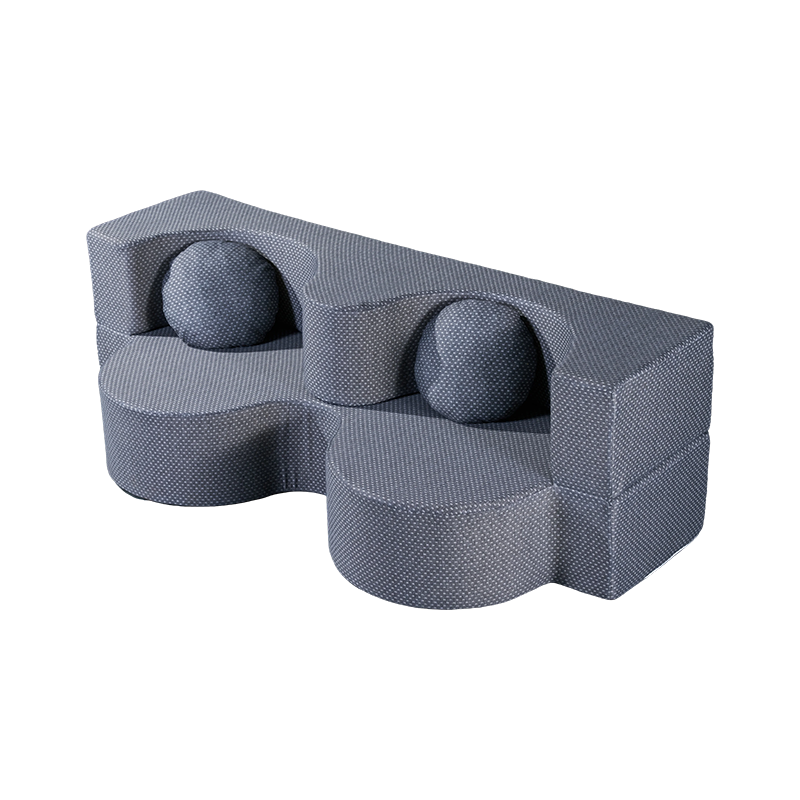
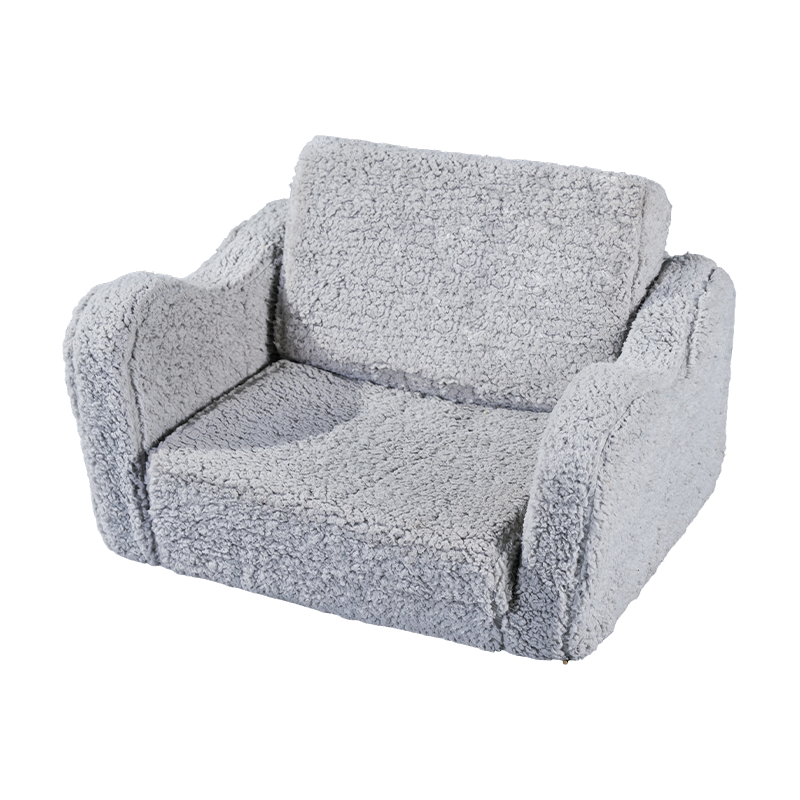
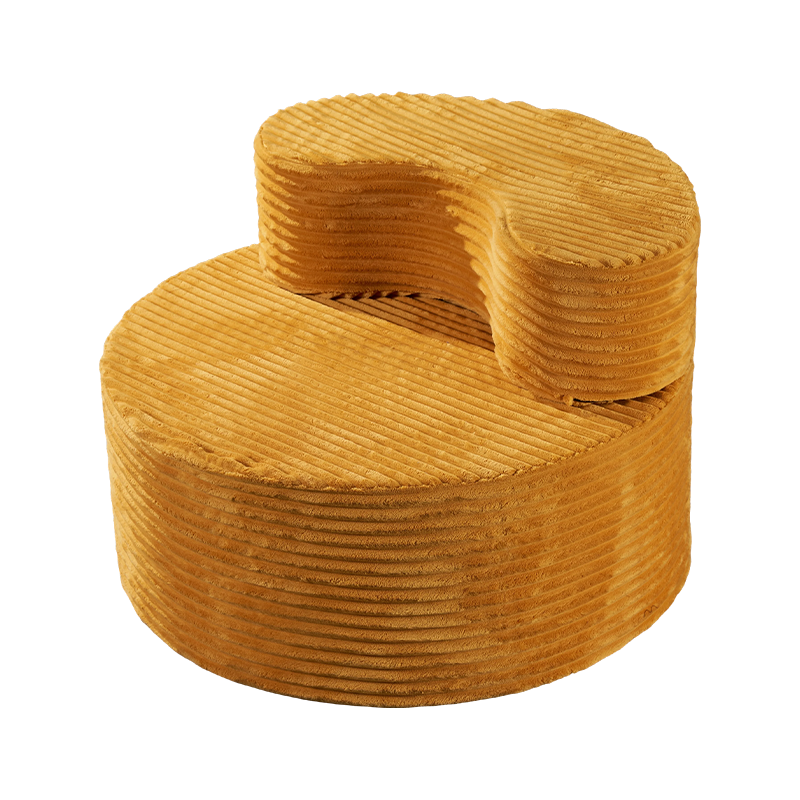
That's part of why curved furniture has picked up so much interest lately. A Modern Sofa Round design brings a softer visual shape than a lot of traditional straight sofas, while its structure still needs to hold up to the same daily activities any sofa deals with.
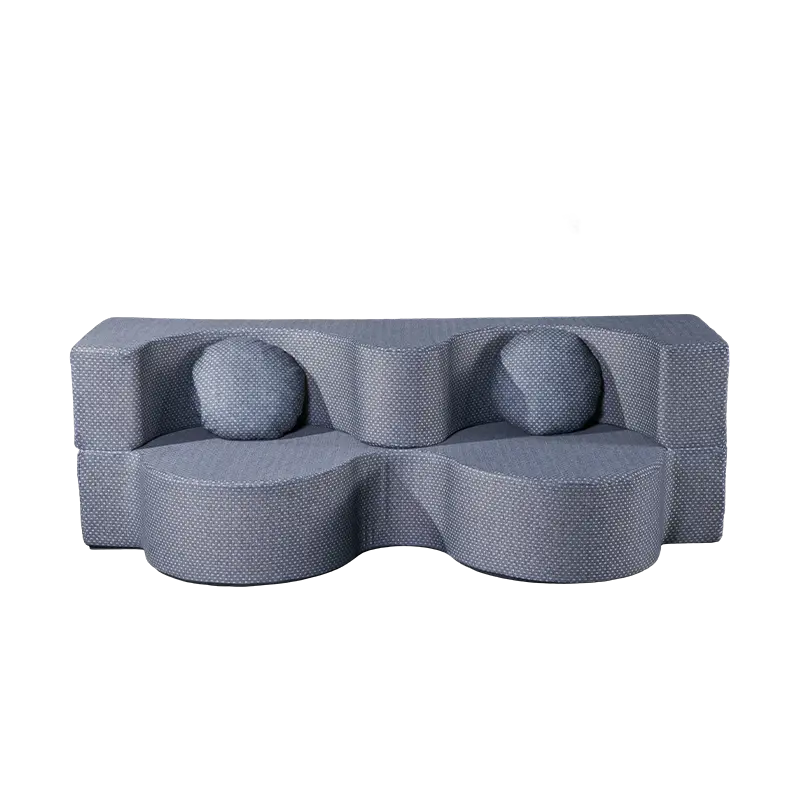
Rounded forms also change how people end up arranging a room around them. Instead of pulling attention toward one fixed line along a wall, a curved sofa opens up a more flexible seating relationship between different parts of the space, which matters more than it sounds like once furniture actually gets moved into place.
For furniture manufacturers and interior designers, the challenge is pairing that visual character with the practical stuff — seating comfort, layout flexibility, material choice, cleaning, and the maintenance routine someone actually has to keep up with.
Why Round Sofa Shapes Are Becoming More Relevant to Modern Interiors
Straight sofas naturally create clear, defined lines. They tend to work well pushed against walls and in layouts where the furniture more or less follows the shape of the room itself. Round and curved sofas take a different approach entirely.
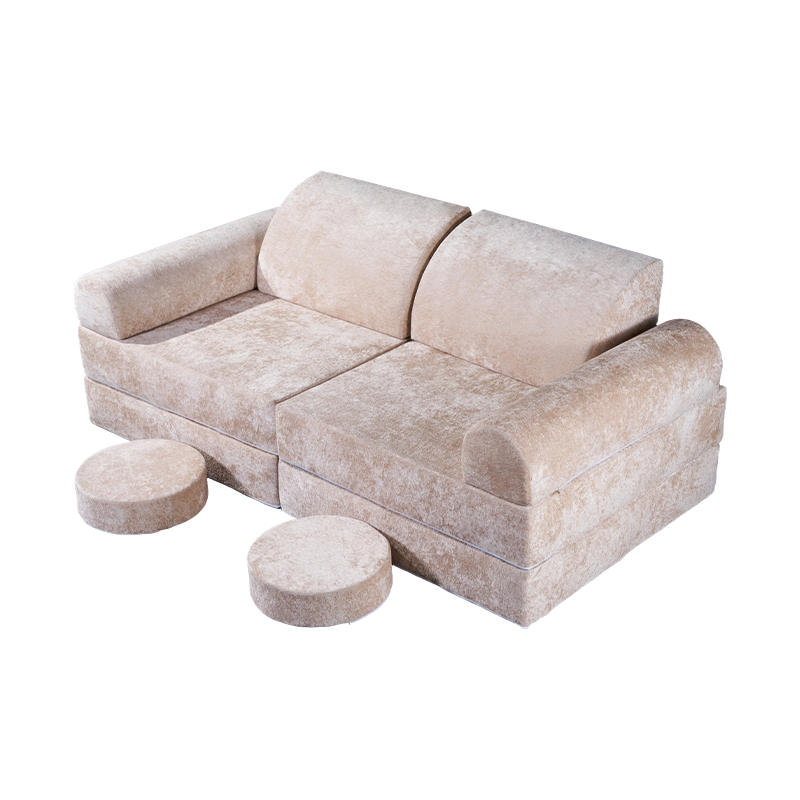
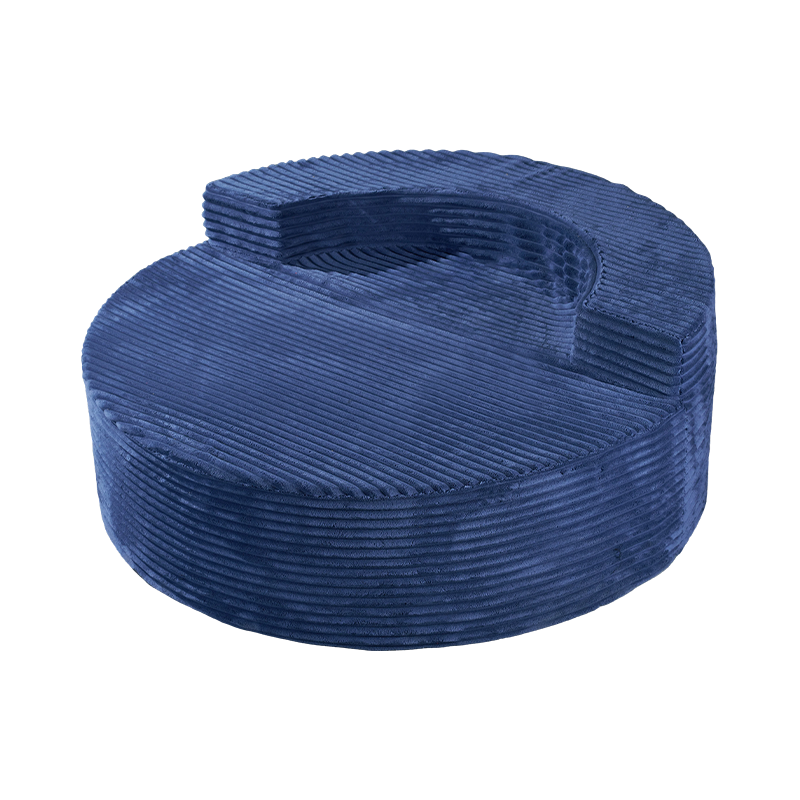
Their softer outlines tend to make a room feel more relaxed, and they can create a stronger visual connection between the sofa and whatever furniture surrounds it. A Modern Round Sectional Sofa is especially useful here, since its separate sections build a larger curved seating arrangement while still letting the whole layout get considered as one connected group.
| Design Feature | Possible Interior Effect |
|---|---|
| Curved outline | Creates a softer visual flow |
| Rounded seating area | Encourages face-to-face interaction |
| Modular sections | Allows layout flexibility |
| Open back design | Can work as a room divider |
| Compact curved form | Supports smaller seating zones |
The appeal isn't purely visual, either. Curved seating genuinely changes how people interact with each other once they sit down. A traditional sofa tends to line everyone up facing the same direction, while a rounded arrangement pulls people into a more natural conversational position without anyone having to think about it.
That makes the shape relevant well beyond just living rooms — it shows up in lounges, reception areas, and any space where social interaction is baked into how the room actually gets used day to day.
How a Modern Round Sectional Sofa Combines Style With Flexible Layouts
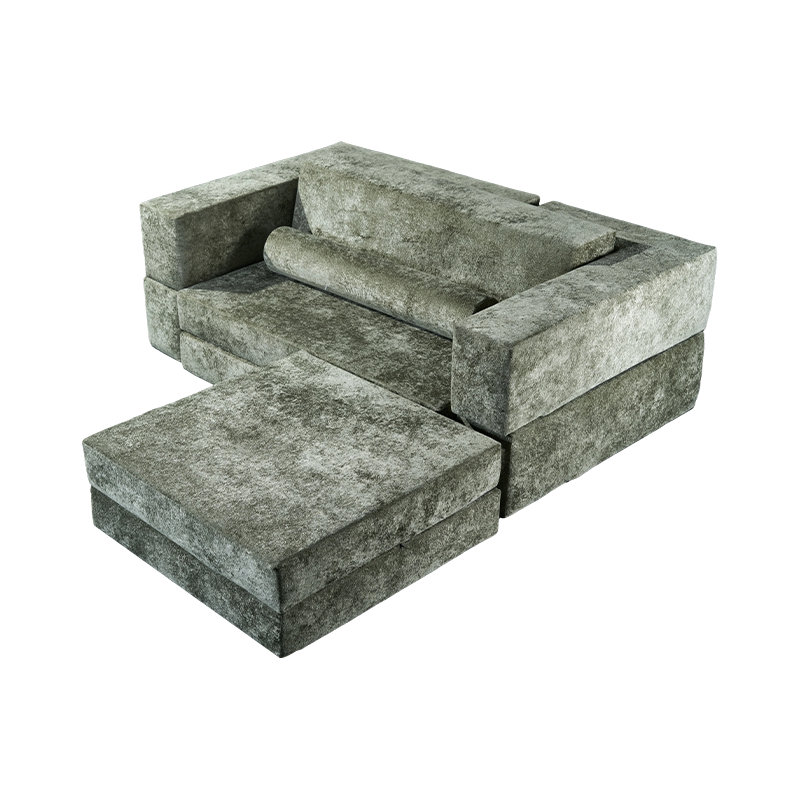
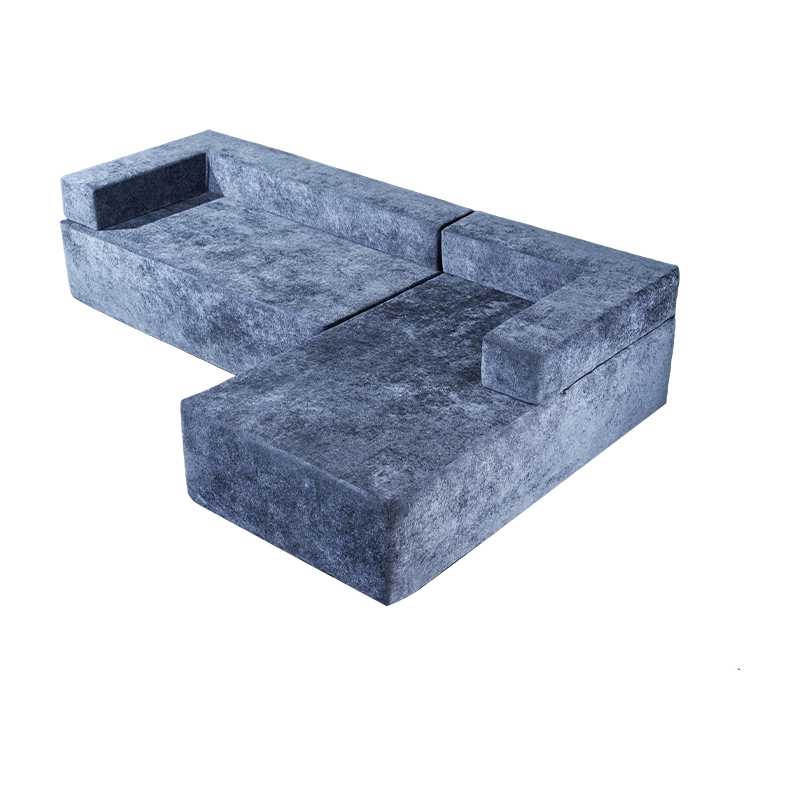
A sectional sofa gives designers more room to work with than a single fixed piece ever could. Different sections can shift around depending on what the room actually needs at any given time. A Modern Round Sectional Sofa carries that same flexibility into a curved format.
The sections can form one continuous seating area, or they can settle into a softer arrangement wrapped around a central space. That flexibility comes in handy when a room doesn't follow a simple rectangular shape to begin with, which honestly describes a lot of real homes.
| Room Situation | Possible Sofa Arrangement |
|---|---|
| Open living room | Curved central seating |
| Large lounge | Extended sectional layout |
| Conversation area | Rounded group seating |
| Open-plan space | Sofa used as a visual divider |
| Flexible home interior | Sections arranged around existing furniture |
None of this needs to turn into a complicated puzzle, though. A sectional system that actually works stays easy to understand and simple to reposition. People rearrange rooms when their needs change, or when the same space needs to host a different kind of gathering, and the sectional structure should support that shift while still holding onto a consistent visual identity throughout.
That's what makes modularity part of both how the furniture looks and how it functions from one day to the next.
Can Modern Round Sofa Designs Improve Social Interaction?
The shape of a seating arrangement affects where people naturally look and how easily they end up talking to each other. A long straight sofa tends to line people up side by side, staring at the same wall or television. A curved sofa pulls people closer into a shared visual field instead, which changes the whole feel of a conversation.
A Modern Sofa Round design tends to suit spaces where conversation actually matters to how the room gets used. Family members can sit together without lining up in a row, and guests interact more naturally when the seating curves toward a shared center rather than pointing everyone in the same direction.
| Usage Scenario | Seating Advantage |
|---|---|
| Family conversation | Creates a shared seating area |
| Casual gatherings | Supports face-to-face interaction |
| Reading space | Creates a relaxed personal zone |
| Lounge area | Encourages social use |
| Reception setting | Provides a welcoming arrangement |
None of this means a curved sofa automatically fixes every room it's dropped into. Room size, how people actually walk through the space, other furniture placement, and personal taste all still shape the final result quite a bit. The curved form works best when it has enough breathing room around it to stay visually clear and easy to walk past.
For manufacturers, that means seating geometry has to get considered alongside the actual environment the sofa will end up living in, not designed in isolation from it.
What Makes a Modern Semi Circle Sofa Suitable for Different Room Layouts
A Modern Semi Circle Sofa lands somewhere between a straight sofa and a fully rounded seating arrangement. Its curved shape softens a room without demanding that the whole seating area form a complete circle, which makes it a natural fit for spaces where one side needs to stay visually open.
| Layout | Possible Use |
|---|---|
| Against a broad wall | Creates a softer seating line |
| Around a table | Supports group interaction |
| In an open room | Defines a seating zone |
| Near a window | Creates a relaxed viewing area |
| In a lounge | Encourages conversation |
That open side also helps keep circulation through the room manageable. People can approach the seating area from more than one direction without the sofa acting like a solid wall blocking the path. That's useful in open-plan interiors where furniture needs to divide the space visually without cutting it off entirely.
The semi-circle shape can also work as a kind of visual transition between areas. A seating zone shaped this way can connect a living area with a dining or reading nook while still holding onto its own distinct identity within the larger room.
How Materials Affect the Balance Between Appearance and Daily Use
The visual form of a sofa is what catches someone's eye first, but the material shapes most of what daily life with it actually feels like. People touch the upholstery, sink into the cushions, brush past the frame, and clean the surface on some kind of regular schedule whether they enjoy it or not.
| Material Consideration | Everyday Importance |
|---|---|
| Surface feel | Influences sitting experience |
| Appearance | Supports interior style |
| Ease of cleaning | Helps with routine care |
| Wear resistance | Supports repeated everyday use |
| Color selection | Affects room coordination |
Different interiors call for different surface choices in fairly obvious ways. A family living room with kids running around probably needs an easy-care covering that can handle spills. A private lounge might place more weight on texture and visual character since it isn't dealing with the same wear and tear. A commercial setting needs materials that hold up to frequent use by a lot of different people passing through.
Manufacturers can offer different upholstery options without touching the basic curved structure underneath, which lets the same design concept adapt to a range of interior preferences. Material claims should stay grounded too — furniture descriptions do better sticking to what's actually true about durability, comfort, and performance rather than reaching for language that oversells what the product can do.
How Cushion and Frame Design Shape Everyday Comfort
A stylish shape can't substitute for practical seating design underneath it. People spend real time sitting on a sofa, so the relationship between the seat, backrest, frame, and cushion ends up mattering a lot more than the silhouette alone.
Curved sofas need particular attention here, since their shape changes how cushions get positioned compared to a straight sofa. A cushion needs to follow the overall curve without leaving awkward gaps where someone's back doesn't quite meet support. The frame needs to hold everything stable while letting the outer design keep its intended look.
| Sofa Area | Design Focus |
|---|---|
| Seat cushion | Comfortable everyday seating |
| Backrest | Supports relaxed sitting |
| Frame | Provides structural support |
| Arm area | Defines the seating boundary |
| Section connection | Helps maintain the overall form |
A modular sofa also needs real attention paid to the connection points between sections. Pieces need to stay visually coherent once they're placed together, and if separate sections shift around too easily, the whole arrangement can become annoying to deal with during ordinary use — nobody wants to keep pushing sofa sections back into alignment every week.
Manufacturers can think about stability and flexibility as two sides of the same problem rather than competing goals. The point is furniture that looks deliberately curved while staying straightforward to actually live with.
Can Curved Sofas Work as Functional Room Dividers?
Modern interiors often squeeze several different activities into one open space. A living room might also double as a work area. A lounge might connect directly into a dining space with no wall between them at all.
Furniture can help define these zones without needing a permanent wall to do it. A Modern Round Sectional Sofa can work as a soft boundary between different parts of a room, with its back facing one area while the seating opens toward another.
| Space Relationship | Sofa Role |
|---|---|
| Living and dining | Separates activities visually |
| Lounge and entrance | Creates a defined seating zone |
| Home office and living area | Marks a change in function |
| Large open room | Establishes a central area |
| Reception space | Organizes visitor seating |
This kind of arrangement can make a room feel more organized without making it feel chopped up into separate boxes. The curved shape helps here specifically because it avoids the rigid visual line a straight wall or cabinet divider would create instead.
Furniture ends up contributing to how the space is organized while still doing its main job as somewhere to sit, which is really the whole point of using a sofa this way rather than adding a wall.
What Design Details Make a Round Sofa Easier to Maintain
Daily function isn't just about sitting — it includes cleaning and maintenance too, which tend to get overlooked until they become a hassle. A sofa collects dust, crumbs, and all the ordinary debris that comes from actually being used in a home.
The more complicated the shape gets, the more accessible surfaces and sensible construction start to matter. Rounded furniture needs to be designed with maintenance in mind from the start rather than treated as an afterthought once the shape is locked in.
| Maintenance Area | Practical Design Consideration |
|---|---|
| Upholstery | Easy access for routine cleaning |
| Cushions | Convenient removal where appropriate |
| Section joints | Simple inspection and adjustment |
| Base area | Accessible for cleaning |
| Surface finish | Suitable for intended care methods |
Removable cushions make some areas noticeably easier to clean, and accessible seams simplify the whole routine care process quite a bit. Surfaces that skip unnecessary recesses and tight corners tend to be easier for people to actually keep clean without a lot of effort.
The care process needs to match whatever material the sofa is actually made from, and people do better following the manufacturer's instructions rather than reaching for whatever cleaning product happens to be under the sink. For commercial furniture, this matters even more since a lot more people end up using the same piece over time.
How Modern Round Sofa Designs Are Adapting to Changing Preferences
Furniture buyers increasingly want products that combine a real visual identity with genuine everyday usefulness. People want a sofa that becomes something like a focal point in the room without making the space harder to arrange around it.
They also tend to want furniture that can adapt as their living situation changes over the years — moving apartments, having kids, working from home more than they used to. That's part of what's driven interest in curved modular structures, flexible seating arrangements, and materials suited to a range of different interior environments.
A Modern Sofa Round design responds through its shape alone. A Modern Semi Circle Sofa offers a softer alternative for rooms that need one side to stay open. A Modern Round Sectional Sofa gives people more room to change the seating arrangement whenever their needs shift.
These design directions all point toward furniture development moving past appearance as the only consideration. The shape has to work with how people actually move through the room. The seating has to support real, everyday activities rather than just looking good in photos. The materials have to suit whatever cleaning and use the sofa actually gets put through. The structure has to stay practical when the furniture gets moved or rearranged, which happens more often than people expect.
Put together, these pieces let curved furniture become part of how a room actually functions, rather than sitting there as a purely decorative feature nobody quite knows what to do with.
 Previous