English
 Deutsch
 عربى
عربىNews
A warehouse manager staring at a loading dock packed with oversized sofa boxes, trying to figure out how three more truckloads are supposed to fit before the weekend rush, is running into exactly the kind of space problem compressed sofa production was built to address. Compressed Sofa Factory production can support furniture shipping by reducing the space required for packaged sofas and making storage, handling, and delivery genuinely easier to coordinate across a supply chain. This approach has become relevant as furniture sellers look for ways to manage bulky products across genuinely longer supply chains stretching across regions.
A sofa is a genuinely large household item by nature. Its shape can create challenges long before it ever reaches the customer's living room. Warehouses need suitable storage areas set aside for it. Transport companies need enough room for each shipment squeezed into a truck. Retailers need to manage incoming stock without allowing packaging to occupy unnecessary space on a crowded floor.
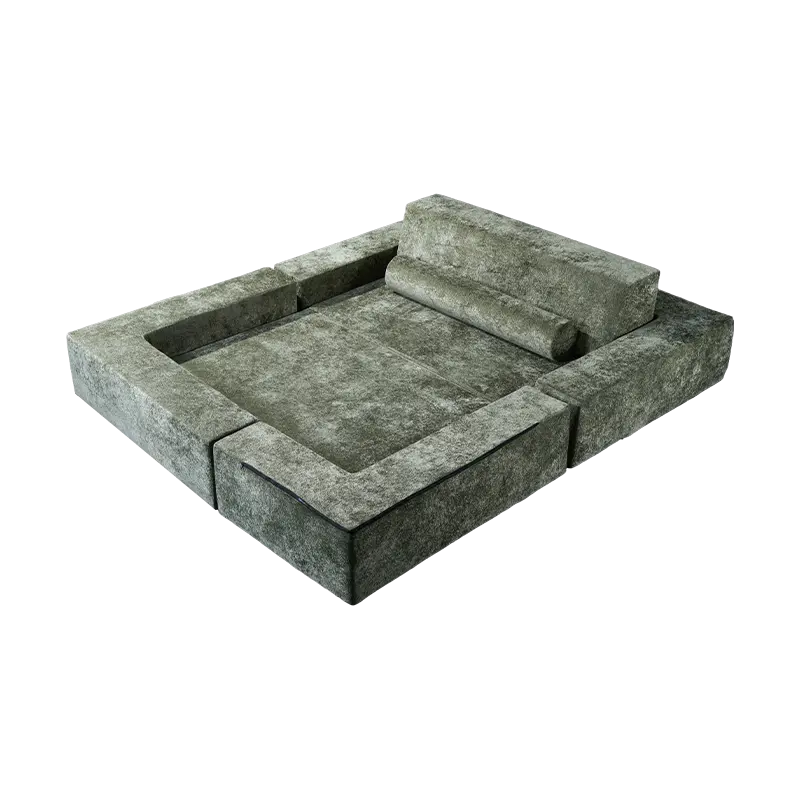
Compression changes how the sofa gets prepared for these stages entirely. Instead of treating production and shipping as separate activities handled by different teams, manufacturers can consider packaging and transportation while the product is still being developed on the factory floor.
This approach also creates genuinely new opportunities for furniture businesses selling through online channels. A sofa that can be prepared for genuinely more convenient transportation may be easier to move between production sites, warehouses, distribution centers, and homes without the usual headaches.
The idea isn't simply about making a sofa smaller for its own sake. It's about connecting product construction, packaging, handling, storage, and delivery into a genuinely more coordinated process from start to finish.
Why Sofa Production Matters to Furniture Shipping
Furniture shipping becomes genuinely easier to manage when shipping requirements get considered during sofa production itself, rather than tacked on afterward. A sofa's structure, materials, shape, and packaging method all influence how it can actually move through the supply chain once it leaves the factory.
Traditional furniture production may focus heavily on the finished appearance and comfort of the product above everything else. Those qualities remain genuinely important, of course, but modern furniture distribution also requires genuine attention to how the item will get packaged and transported across distances.
A large sofa can take up genuinely considerable space even when nobody's sitting on it. Its fixed shape may leave empty areas around the product during transportation, wasting truck space. Packaging needs to protect the furniture while also making handling genuinely practical for whoever's moving it.
Compressed sofa production approaches this issue from another direction entirely. The manufacturer considers how the finished product can get prepared for shipping without losing its intended form once it's unpacked at the destination.
This creates a genuinely closer relationship between the factory floor and the logistics process that follows.
| Production Consideration | Shipping Relevance |
|---|---|
| Sofa structure | Influences how the product can be packaged |
| Product shape | Affects storage and handling |
| Packaging design | Helps organize products during transport |
| Compression process | Can reduce package volume |
| Product recovery | Supports the unpacking experience |
| Order preparation | Helps connect production with distribution |
For buyers, this means a furniture factory shouldn't get evaluated only by the sofa itself sitting in a showroom. Its ability to prepare products for storage and transportation can matter just as much to the bottom line.
How Compression Can Reduce Shipping Challenges
Compression can reduce some shipping challenges by allowing a sofa to occupy genuinely less space while it's packaged for transportation across the supply chain. This can make the movement of furniture genuinely more manageable across different stages, from factory to front door.
Large furniture products can be genuinely difficult to organize in warehouses packed with other inventory. When packaged products take up substantial room, businesses may need to arrange storage genuinely more carefully than they'd like. This can become more noticeable when inventory includes several sofa styles, colors, and configurations all competing for the same floor space.
A compressed package can change that relationship considerably.
The product is prepared in a compact form and protected for its journey ahead. After reaching the destination, it can get unpacked and allowed to return to its intended shape, ready for use.
This approach can be particularly relevant to furniture businesses that operate across regions or countries. Products may move from factories to warehouses and then to retail customers over weeks. Each additional handling stage creates another genuine opportunity for packaging and storage problems to crop up.
Compression doesn't remove every shipping challenge on its own. Product protection, packaging quality, handling procedures, and transportation conditions still matter a great deal throughout the journey.
The value comes from making the overall shipping process genuinely easier to organize, rather than eliminating logistics entirely.
For businesses, this can also affect how products get planned before an order ever leaves the factory floor. A manufacturer that understands the shipping process can prepare products in a way that supports genuinely smoother downstream handling later on.
What Role Packaging Plays in Compressed Sofa Production
Packaging plays a genuinely central role because compression only becomes useful when the packaged product remains protected during handling and transportation along the way. A sofa can't simply get compressed without considering its outer protection and eventual unpacking process at the other end.
Packaging needs to support several stages of that journey.
The product must leave the production area in a genuinely suitable condition to start. It then needs to move to storage or transportation without damage. Later, a warehouse worker, retailer, installer, or customer may need to unpack it properly.
Each stage places genuinely different expectations on the package itself.
The outer packaging should help protect the sofa from normal handling conditions along the route. It should also provide a genuinely practical way to identify and organize different products sitting in the same shipment.
Clear packaging organization can be particularly helpful for wholesale orders moving in bulk. A shipment may contain different sofa designs or configurations, and confusion at the warehouse stage can genuinely slow down order processing for everyone involved.
The relationship between packaging and product design is genuinely important here too.
A sofa intended for compression should get designed with its packaging process in mind from the earliest sketches. The factory can consider how the product will be folded, packed, protected, stored, and unpacked before committing to a final structure.
This is one reason production planning genuinely matters to furniture shipping outcomes.
A factory that treats packaging as an afterthought may face genuinely more difficulties when trying to adapt an existing sofa design to a compressed shipping format after the fact.
How a Compressed Sofa Factory Supports Warehouse Operations
A Compressed Sofa Factory can support warehouse operations by preparing furniture in a form that's genuinely easier to organize before final delivery happens. Storage is a genuinely important part of the furniture supply chain because products may sit in warehouses for a while before reaching customers.
Warehouse space is never unlimited, no matter how large the facility. Furniture businesses need to decide how products will get arranged, moved, identified, and prepared for dispatch on any given day.
Large sofa packages can make this process genuinely more difficult to manage. They may require genuinely more floor space and genuinely more careful movement between racks.
Compressed products can provide a genuinely different storage approach altogether. When the packaged sofa occupies less space, warehouse teams may have genuinely more flexibility when arranging inventory around it.
This can prove useful for businesses with multiple product collections running at once. A retailer may need to keep different sofa styles available while also managing other furniture products taking up the same warehouse.
The factory can contribute by creating packaging that's genuinely consistent and easy to identify at a glance. Product labels, packaging formats, and order preparation can all help connect manufacturing with warehouse operations more smoothly.
This connection is particularly useful for businesses that receive furniture in genuinely larger shipments arriving at once.
Instead of viewing the factory as the beginning of the supply chain and the warehouse as a completely separate stage disconnected from it, both can get treated as parts of one continuous process working together.
Can Single Seater Round Sofa Designs Benefit From Compression?
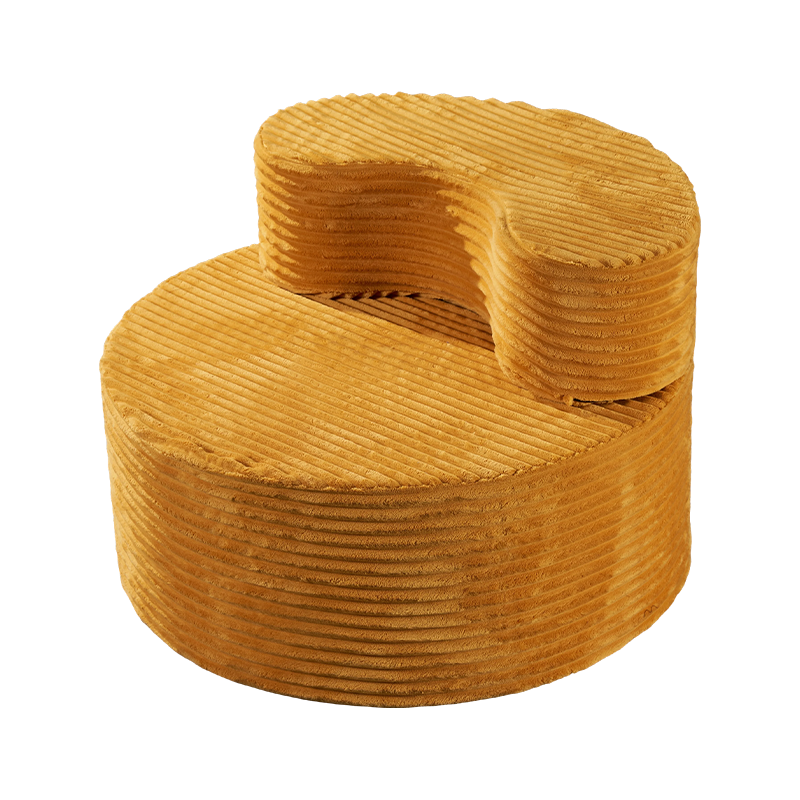
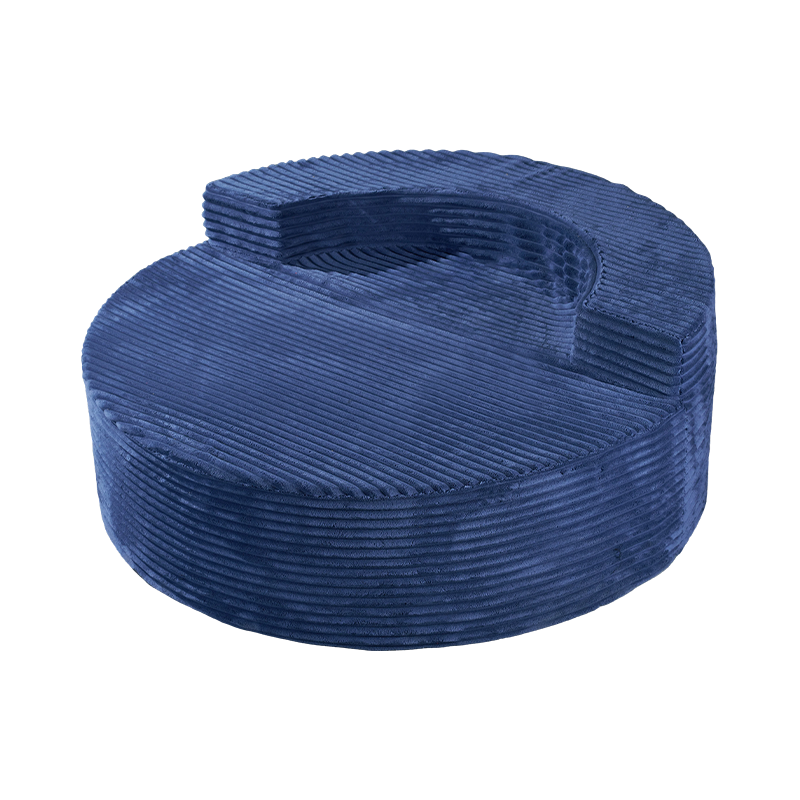
A Single Seater Round Sofa can be genuinely suitable for compressed shipping when its structure and materials get designed to accommodate the packaging process from the start. Smaller seating products may provide genuinely different opportunities from larger multi-seat sofas taking up more room.
A single-seat design often has a genuinely more compact overall form to begin with. However, its rounded shape can still create packaging challenges because curved surfaces may leave unused space around the product inside a box.
Compression can help manufacturers think genuinely differently about this problem entirely.
The objective isn't changing the visual identity of the sofa in any way. The goal is preparing the product for transportation while allowing it to recover its intended shape after unpacking at the customer's home.
This can prove genuinely attractive for online furniture sellers competing for customers.
A customer purchasing a single sofa online may genuinely expect the product to arrive in a manageable package they can actually carry inside. The delivery process is part of the customer's overall purchasing experience, whether the seller thinks about it or not.
For manufacturers, this creates a genuine opportunity to consider the entire journey during product development from day one.
The design team can think about the shape of the sofa early on. Production teams can consider how it will be prepared for shipping. Packaging teams can plan how it will be protected along the route. Shipping teams can consider how the package will actually be handled by carriers.
These stages work genuinely better when they're connected, rather than treated as isolated tasks handled by separate departments with no communication.
Why One Seater Round Sofa Packaging Matters for E-Commerce
One Seater Round Sofa packaging can influence how easily a furniture product moves through an e-commerce supply chain from warehouse to doorstep. Online furniture sales involve several stages between the factory and the final customer, making packaging a genuinely important part of the product experience overall.
A typical order may move from manufacturing to storage, then to distribution, and finally to the customer's home at the end of the chain.
Every single stage requires handling by someone along the way.
A bulky package can create genuine difficulties at any of these points in the chain. It may require genuinely more storage space or make delivery arrangements genuinely more complicated for the carrier.
A compact package can offer a genuinely different experience throughout. It may be genuinely easier to organize in a warehouse and genuinely more manageable during transportation on a truck.
The customer experience also matters a great deal here.
When the package arrives at someone's door, the buyer needs to understand how to unpack the product without frustration. Instructions should be genuinely clear and practical to follow. The sofa should remain protected during the shipping process and get presented in a condition that reflects the product description they saw online.
This makes packaging genuinely more than a protective layer wrapped around furniture.
For e-commerce furniture businesses, packaging becomes part of logistics, customer communication, and product presentation all rolled into one.
Manufacturers that understand this relationship can work genuinely more effectively with online retailers and distributors trying to move product.
How Manufacturers Can Balance Compression With Product Quality
Manufacturers need to balance compression with the sofa's intended appearance, comfort, structure, and recovery after unpacking at the destination. Shipping convenience shouldn't get considered separately from the customer's expectations of the finished product they're paying for.
A sofa has to perform its main purpose once it actually reaches the customer's home. It should provide the intended seating experience and maintain the appearance expected from the product description they browsed online.
Compression therefore needs to get considered during product development, rather than added at the final packaging stage as an afterthought.
Material selection can influence this process considerably. Different materials respond genuinely differently to being packed and released from compression. The factory needs to understand how the selected materials behave during production, storage, transportation, and unpacking across the whole journey.
The sofa's internal structure also matters here quite a bit.
A design that looks suitable for compression on paper may require genuine adjustments once a physical sample actually gets produced and tested. This is why sample testing and production review can help identify practical issues before larger orders get committed to.
Buyers can ask manufacturers directly how they evaluate these factors before placing a large order.
Useful questions include several worth raising early.
- How is the sofa prepared before packaging?
- How is the product protected during transportation?
- How is the product expected to recover after unpacking?
- How are different sofa designs handled?
- How does the factory maintain consistency during production?
- What packaging information is provided for warehouse and customer handling?
These questions can help buyers understand whether a supplier's production process genuinely matches their shipping requirements before committing to a partnership.
What Furniture Buyers Should Check Before Choosing a Factory
Furniture buyers should evaluate both manufacturing capability and shipping preparation when choosing a compressed sofa supplier, rather than looking at one without the other. A factory may produce genuinely attractive furniture, but buyers also need to know whether its products can actually fit their distribution model.
Several areas deserve genuine attention during evaluation.
Product development matters because compression should get considered alongside sofa design from the earliest stages. The factory needs to understand how shape, materials, and structure interact with packaging requirements.
Production consistency matters because wholesale buyers need products that remain visually and functionally consistent across orders placed months apart.
Packaging preparation matters because the package will pass through multiple handling stages before reaching the customer's front door.
Warehouse coordination matters because products need to get identified and organized properly after leaving the factory floor.
Shipping experience matters because furniture may travel through genuinely different transportation and distribution environments depending on the destination.
Customization support can also prove relevant here. A buyer may need different sofa shapes, colors, packaging arrangements, or product combinations for a particular sales channel they're targeting.
A factory capable of discussing these issues openly with the buyer can make product planning genuinely more straightforward from the start.
The most useful supplier relationship often begins well before production starts. Buyers can share their intended sales channels, storage conditions, delivery model, and product requirements upfront, so the manufacturer can consider these factors during preparation rather than guessing.
How Production Can Connect With the Complete Furniture Supply Chain
Compressed sofa production can connect manufacturing with storage, transportation, distribution, and e-commerce by treating shipping preparation as genuinely part of product development, rather than a separate concern. This approach changes the role of the factory from simply making furniture to preparing products for their complete journey ahead.
The process can be viewed as a continuous chain running from product design through production, compression, packaging, storage, transportation, distribution, and finally customer unpacking at the end.
Each stage genuinely influences the next one in line.
A sofa designed without shipping considerations may require genuinely additional packaging adjustments later, after problems surface. A sofa developed with transportation in mind can get prepared genuinely more naturally for distribution from the outset.
This doesn't mean every sofa needs to use compression as a default. The suitable approach depends on the product, materials, sales model, customer expectations, and transportation requirements specific to that business.
For furniture companies, the genuinely important issue is understanding where compression creates practical value for their particular operation.
A Compressed Sofa Factory can become particularly relevant when a business needs to manage bulky furniture across multiple supply-chain stages spread across regions. The production approach can support genuinely more organized storage, genuinely more manageable packaging, and a delivery process designed around the realities of modern furniture distribution as it actually works today.
For buyers developing products such as a Single Seater Round Sofa or One Seater Round Sofa, the shipping method can get considered at the same time as the product concept itself. This creates a genuinely clearer connection between furniture design and the way the finished item actually reaches its market.
 Previous