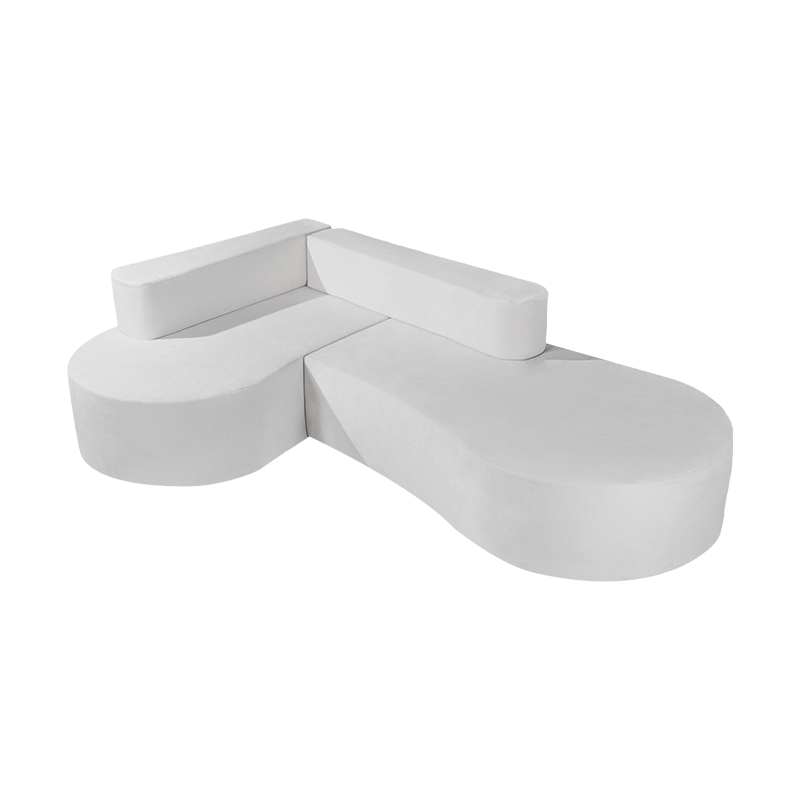
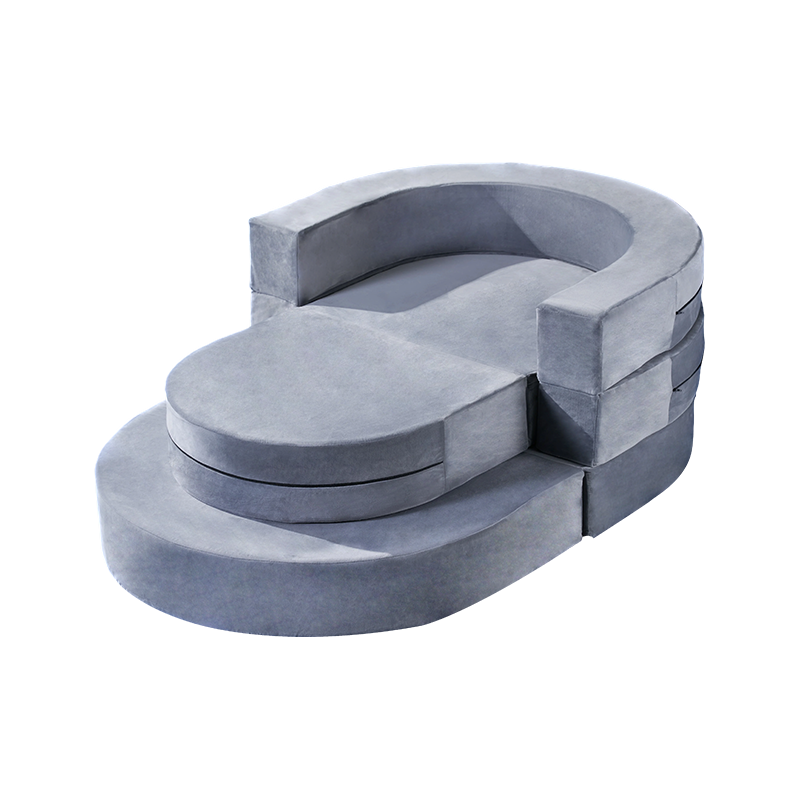
English
 Deutsch
 عربى
عربىNews
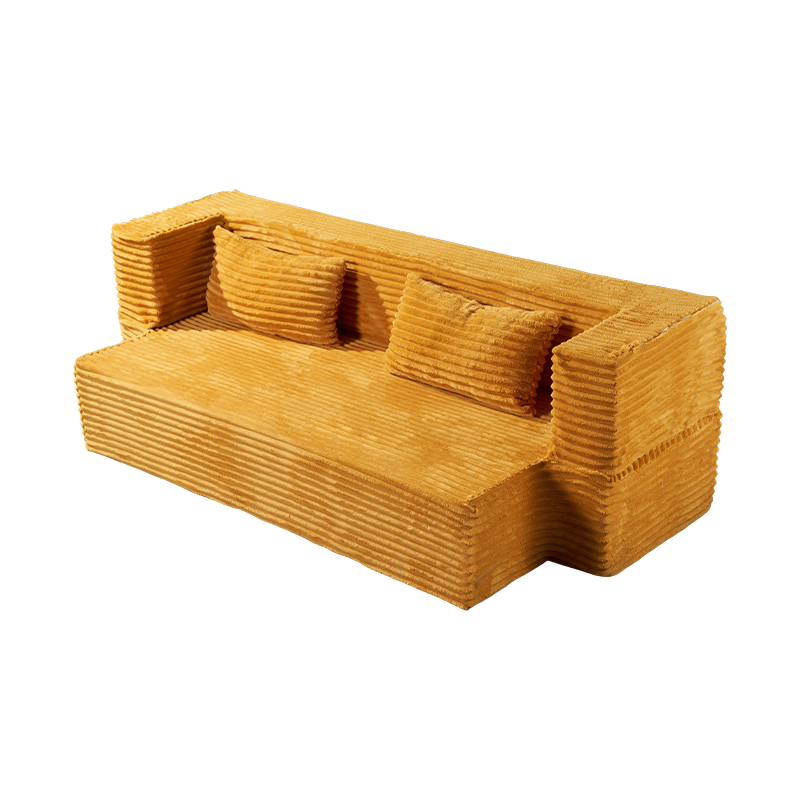
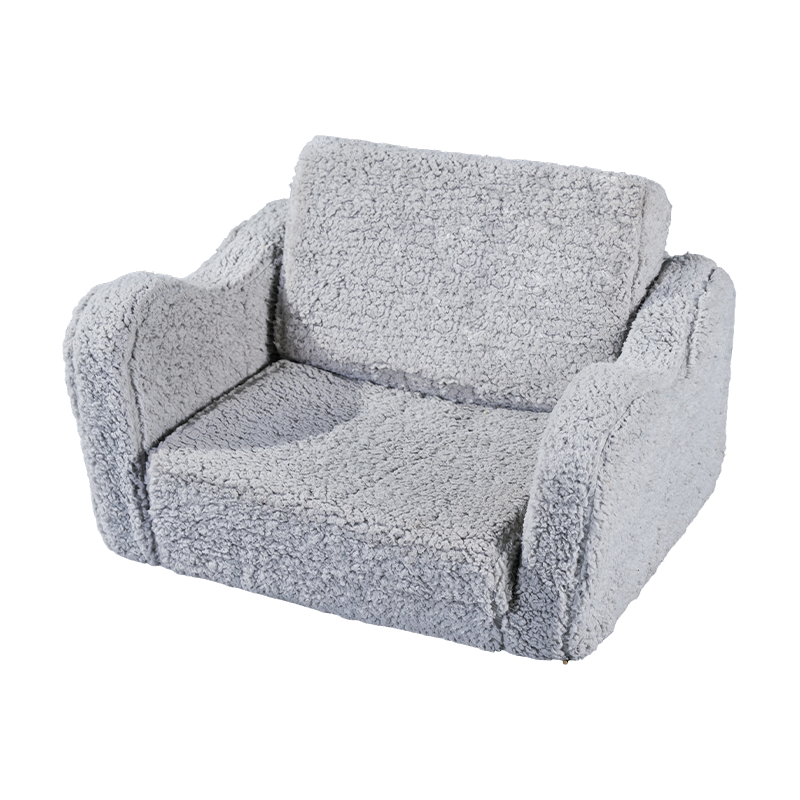
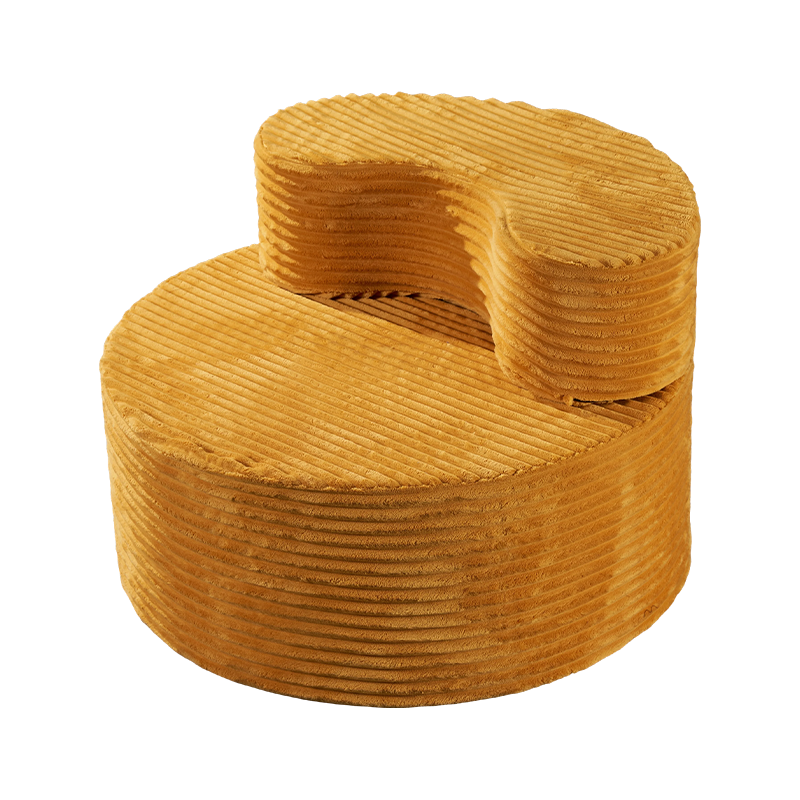
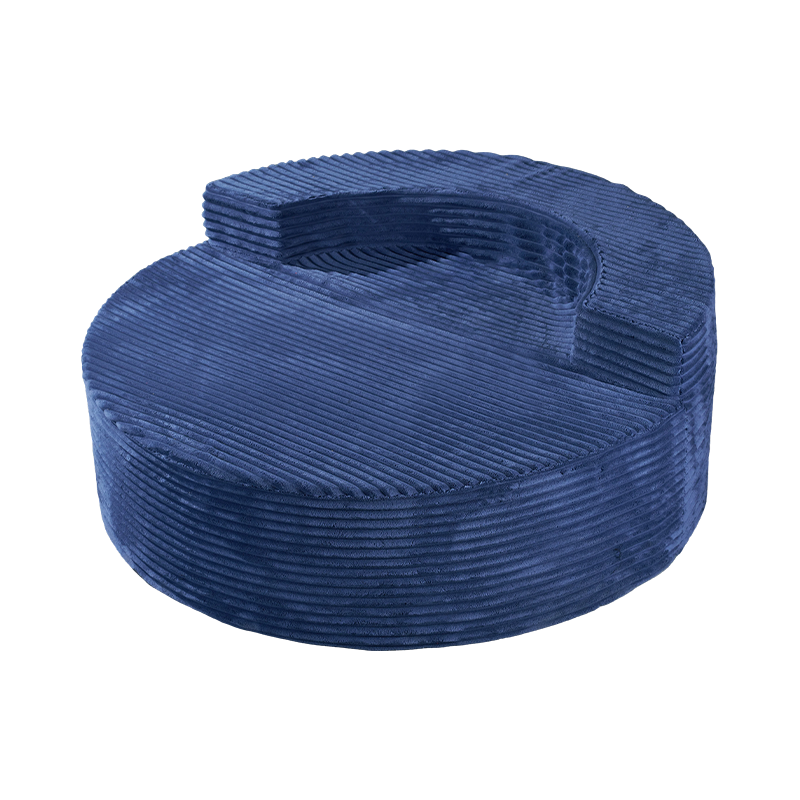
Picture someone rearranging their open-plan living room after finally getting rid of a bulky sectional that's been jammed against the wall for years. They want the new sofa to actually feel like part of the room instead of just furniture pushed into a corner — something people can gather around, not just sit in a row facing a TV. That's essentially the shift driving curved sofas into more homes, hotels, lounges, and commercial spaces lately. Rounded forms soften a room visually while opening up how seating can actually get arranged, making the Modern Sofa Round concept increasingly relevant to contemporary interior layouts.
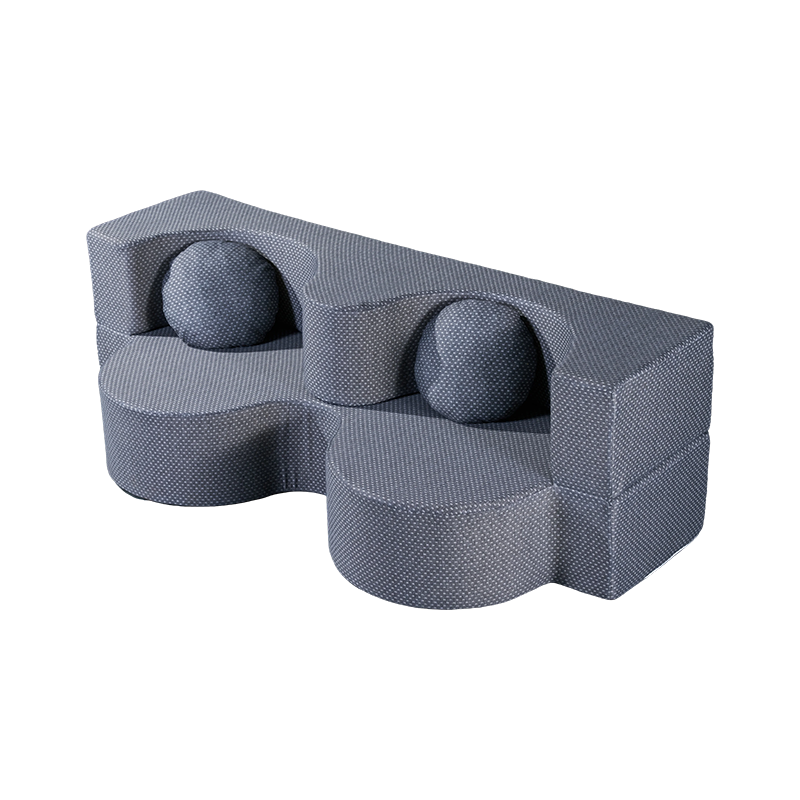
This shows up in rounded backs, curved arms, circular seating setups, and softer transitions between individual sofa sections. These details change how a sofa relates to the room around it without changing what it's fundamentally there to do.
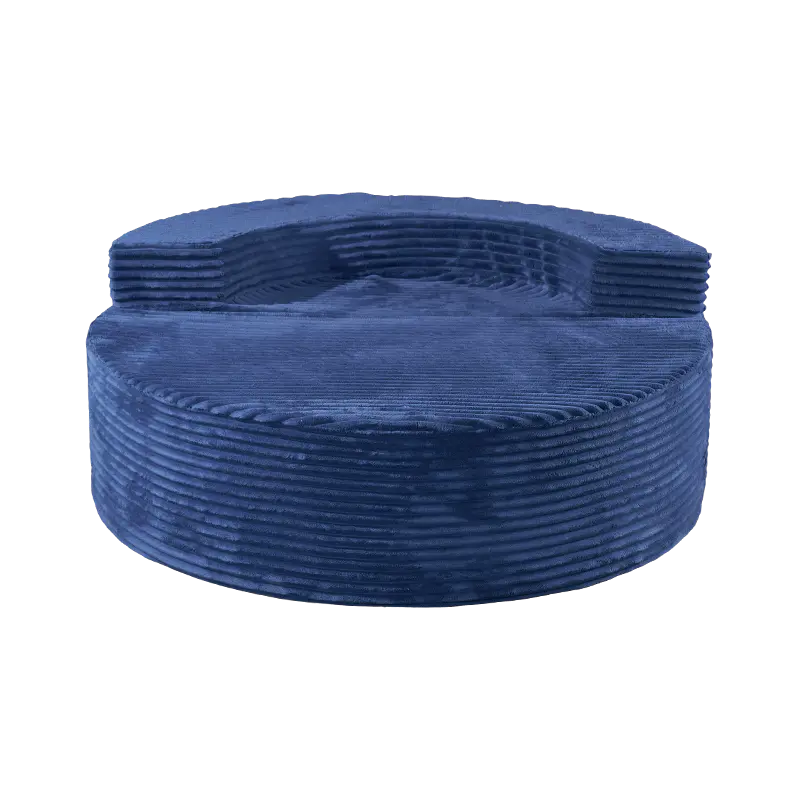
The growing interest in round modern sofa designs reflects a broader shift in how people think about their living spaces. A sofa isn't just a place to sit anymore — it can help organize an open room, carve out a social area, or become something people notice the moment they walk in.
For manufacturers, this creates both opportunity and real design headaches to work through. Curved furniture has to balance appearance, comfort, manufacturability, transport logistics, and everyday practicality all at once. That growing interest in rounded furniture is shaping customer preferences and pushing furniture development in new directions simultaneously.
Why Curved Sofas Keep Showing Up in Modern Interiors
Curved sofas are showing up more because rounded shapes make interior spaces feel softer and more relaxed. Furniture built entirely around straight lines has a certain rigidity to it — curved seating introduces a more flowing visual quality and changes the whole relationship between the sofa and the room surrounding it.
This works particularly well in open living spaces. A curved sofa doesn't need to sit flush against a wall or follow some strict linear arrangement the way a traditional sectional often does. It can sit closer to the center of a room and anchor a dedicated social area right there in the middle of the space.
The shape also changes how people actually interact with the furniture. A rounded arrangement tends to encourage people to face each other rather than all pointing toward one focal point like a television. That makes curved sofas a natural fit for conversation, informal gatherings, and shared spaces where people actually want to talk to each other.
Interior designers also use curved sofas to soften rooms that are otherwise dominated by straight architectural lines — walls, windows, cabinetry, flooring all tend to create strong linear patterns. A rounded sofa introduces contrast without requiring any structural changes to the room itself.
None of this means straight sofas are going away. Both styles serve real, different purposes. The growing interest in curved furniture just gives designers another tool for shaping how a room actually feels.
How Round Sofa Design Changes the Feel of a Room
Round modern sofa design tends to make a room feel more connected because rounded furniture softens the visual separation that rigid, straight lines usually create. The curve guides the eye around the space instead of stopping it at hard edges, giving the whole room a more continuous feel.
A traditional sofa usually has an obvious front and back. A rounded sofa often creates a much less formal relationship with the furniture around it — depending on the design, people might approach it from several different directions, and tables or chairs can get arranged around it a lot more freely than around a standard rectangular piece.
This flexibility works particularly well in open-plan homes, where a curved sofa can act as a visual boundary between the living area and dining space, say, without putting up an actual wall or partition.
The same idea applies to hospitality spaces. Hotels, lounges, waiting areas, and other shared environments use curved seating to break up a large room into smaller conversation pockets, without making the space feel chopped up or cramped.
| Furniture Layout | How Curved Furniture Gets Used |
|---|---|
| Open living area | Creates a defined seating zone within a larger space |
| Conversation area | Encourages people to sit facing each other |
| Lounge space | Adds a softer visual transition between zones |
| Hospitality area | Helps organize shared seating into smaller groups |
| Flexible interior | Supports several different furniture arrangements over time |
The appeal of a round sofa really comes from more than just its outline. Its shape genuinely changes how the furniture relates to the people using it, the objects near it, and the space wrapped around it.
What Actually Draws Buyers Toward Curved Designs
Curved designs draw buyers in because they combine a distinctive look with a softer, more informal character overall. People tend to associate rounded shapes with comfort on some intuitive level, which makes a sofa feel less rigid and imposing sitting in a living room.
Part of the appeal is variety too. Curved furniture isn't locked into one recognizable style anymore — designers work with rounded arms, curved backs, semicircular seating, or larger circular arrangements depending on the project.
That gives buyers real choice when matching furniture to different interior themes. A gently curved sofa suits a cozy residential setting, while a more structured, geometric rounded design might work better in a commercial lounge going for a sleeker look.
The shape also makes a piece visually distinctive on its own. In a room full of rectangular tables, cabinets, and shelving, a curved sofa naturally draws the eye and becomes a focal point without anyone trying too hard.
Comfort still matters just as much, though. Buyers rarely choose a sofa on looks alone — seat shape, back support, the feel of the upholstery, and overall proportions all shape how the piece actually gets used day to day. That's exactly why manufacturers can't treat curvature as pure decoration. A practical design has to connect the visual appeal with something people actually want to sit on.
How Curved Sofas Are Reshaping Furniture Layouts
Curved sofas are reshaping furniture layouts by giving designers a lot more freedom to build conversation areas and flexible seating zones. Their rounded outlines behave differently from conventional sofas, which usually get parked along a wall almost by default.
A curved sofa can sit at the actual center of a room rather than hugging an edge, which makes a large open space feel organized without adding a single physical partition.
In smaller interiors, a well-chosen curved sofa creates a softer transition between different furniture zones too. The rounded profile softens what would otherwise feel like a hard boundary between seating, walking paths, and decorative areas.
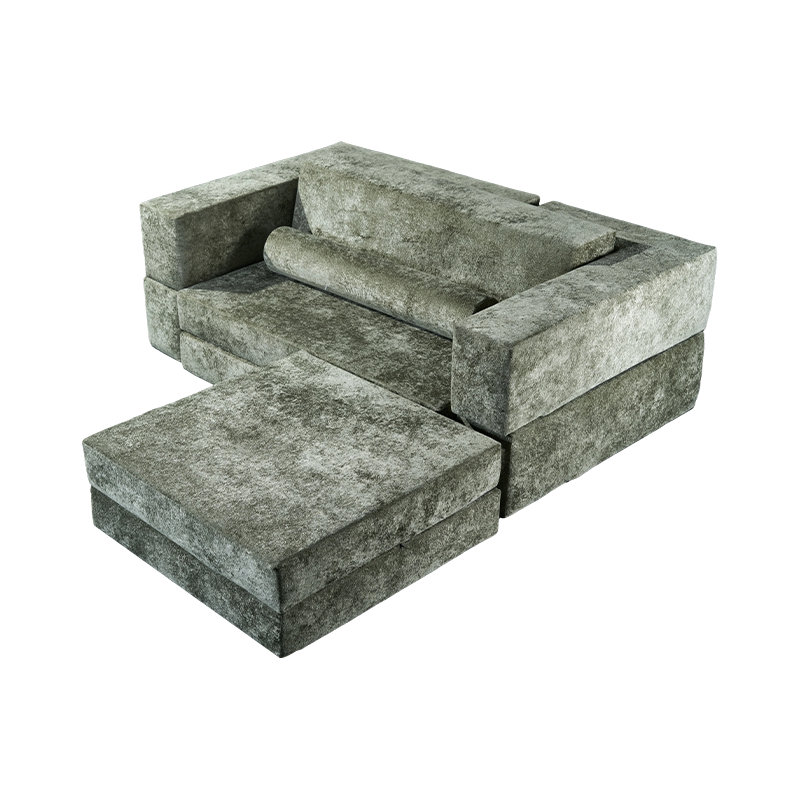
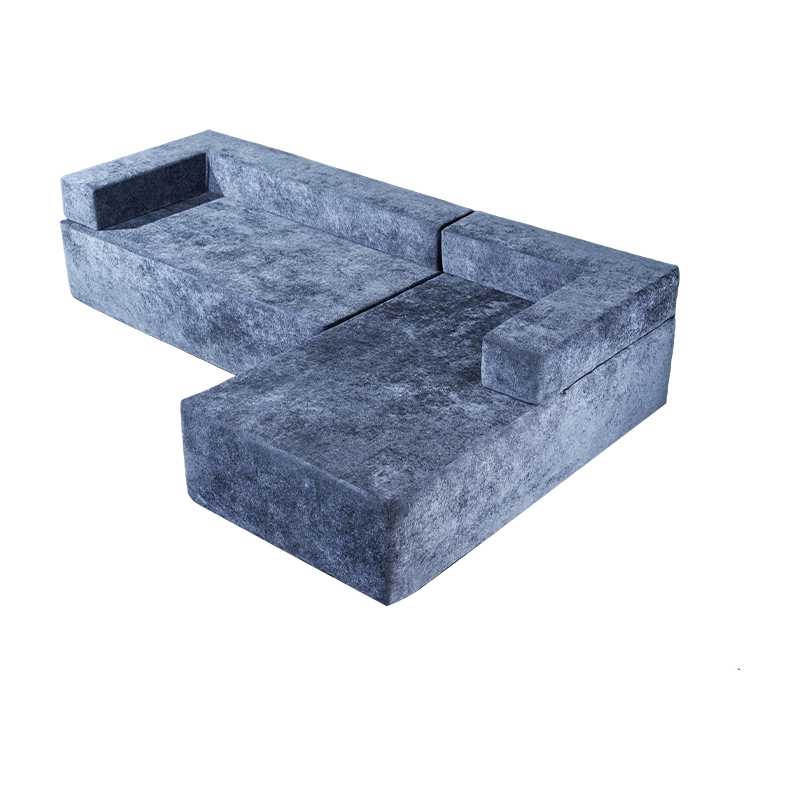
Modular designs add another layer of flexibility on top of that. Separate seating sections can be rearranged depending on the room they're going into.
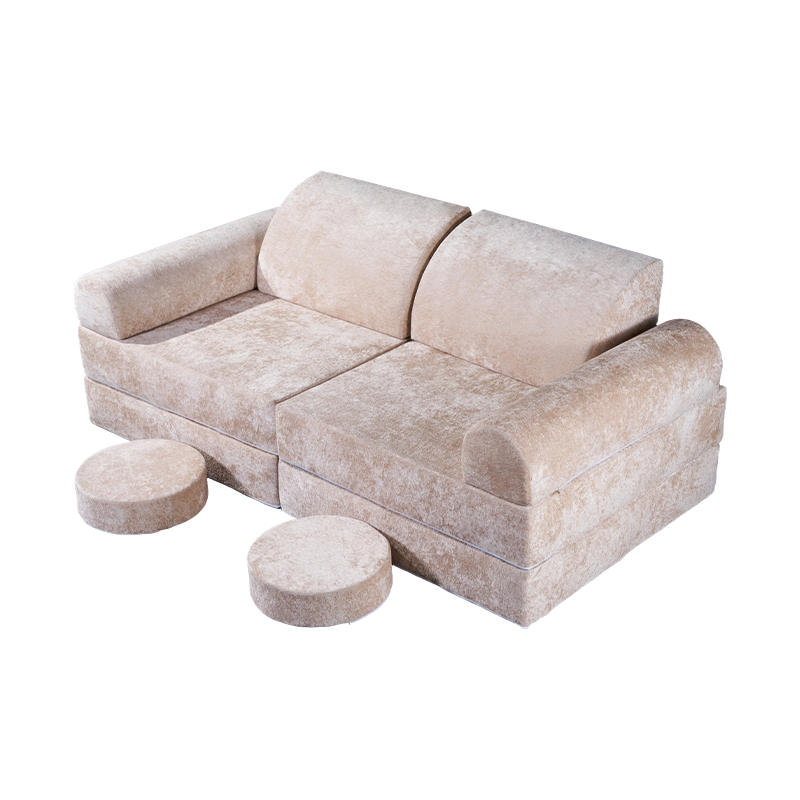
A Modular Sofa Manufacturer might produce individual curved pieces that combine into a longer sofa, a corner arrangement, or a more enclosed seating cluster depending on what the space calls for.
| Curved Sofa Approach | Possible Interior Role |
|---|---|
| Single curved sofa | Central seating feature anchoring the room |
| Modular curved sections | Flexible arrangement that adapts to different rooms |
| Rounded corner seating | Creates a natural conversation area |
| Semi-circular arrangement | Supports group interaction and face-to-face seating |
| Mixed curved furniture | Builds visual continuity across a space |
This trend pushes furniture makers to think about sofas as adaptable products rather than fixed, one-shape objects that only work one way in one room.
What Production Challenges Come With Curved Sofa Designs
Curved sofa designs demand a lot more careful production planning, since rounded shapes involve more detailed shaping, more intricate upholstery work, and more complex assembly than straightforward rectangular furniture. The visual simplicity of a finished curved sofa hides a lot of the actual work that went into getting that consistent shape.
The internal frame structure has to actually support the intended outline. When different sections get joined together, their shapes need to line up precisely — small mismatches become very noticeable once several curved pieces sit side by side in a showroom or living room.
Upholstery adds its own layer of difficulty. Fabric or other covering material has to follow the sofa's curve without bunching up into unwanted folds or creating visible puckering along the seams.
The production process also has to keep the actual customer experience in mind the whole way through. A sofa might look striking in a showroom under good lighting but still needs to hold up to everyday practical use once it's sitting in someone's actual living room.
Manufacturers have to balance ambitious design ideas against real production limits. An elaborate curve isn't worth much if it makes the product genuinely difficult to manufacture, maintain, ship, or assemble once it reaches the customer.
This becomes especially relevant for businesses working with a compressed Sofa Factory, where packaging efficiency really matters. Buyers often need to talk through packaging, product shape, assembly steps, and shipping conditions early on when developing curved furniture, since an oddly shaped curved piece can eat up a lot more shipping volume than a flat-pack rectangular sofa would.
A practical curved sofa design accounts for its entire journey — from the factory floor all the way to someone's actual living room.
How a Modular Sofa Manufacturer Responds to Curved Furniture Demand
A Modular Sofa Manufacturer responds to curved furniture demand by developing flexible seating sections that can be arranged differently while still keeping a consistent overall design language. Modular construction gives manufacturers a practical way to combine visual variety with real layout flexibility.
Curved modules can be built as separate pieces — central seating sections, corner pieces, end sections, or other shapes that combine depending on the layout a specific space calls for.
That approach makes the same basic product line work across very different spaces. A buyer furnishing a home might need one configuration, while a hotel lobby project needs a completely different one built from the same family of parts.
Modularity also helps furniture businesses manage product variety without spiraling complexity. Rather than designing a completely new sofa for every possible room layout, manufacturers can develop one related family of seating sections that mix and match.
How those sections actually connect matters a lot here. When modules sit together, the curves need to line up into one coherent shape — seat height, back curvature, arm placement, and upholstery all need to work together seamlessly, or the seams between modules become obvious and distracting.
Manufacturers also have to think through how individual pieces get packaged and shipped. Curved furniture often takes up awkward, irregular space in a shipping container, so transportation planning becomes part of the product development process itself, not something worked out after the design's already finalized.
Why Comfort Still Matters in Curved Sofa Design
Comfort still matters because visual appeal alone can't substitute for practical seating. A rounded outline catches the eye, sure, but people still expect the sofa to actually support normal sitting, relaxing, and socializing once they're sitting on it for a while.
The shape of the back changes how people actually sit. A deeply curved back creates a more enclosed, cocoon-like feeling, while a gentler curve keeps the seating arrangement feeling more open and airy.
The seat itself has to work with the overall curve too. If the curve gets too pronounced for how the sofa's actually meant to be used, people end up with fewer genuinely comfortable spots to sit.
Arm design plays into this as well. Rounded arms reinforce the visual theme nicely, but their size and placement still need to stay practical for everyday use — resting an arm, setting down a drink, getting in and out of the seat easily.
Different users bring different expectations too. A sofa going into a family living room needs to support long, relaxed sitting sessions, while a commercial lounge piece might be more about short visits and group conversation rather than someone settling in for a movie marathon.
| Comfort Consideration | Why It Matters |
|---|---|
| Seat shape | Shapes how someone actually sits down |
| Back shape | Affects support and posture over time |
| Arm design | Affects resting comfort and ease of getting in and out |
| Upholstery | Changes both touch and overall visual character |
| Overall curve | Shapes how people interact with the piece day to day |
This is exactly why product development needs to go beyond visual design alone. Furniture makers benefit from evaluating physical samples and testing actual seating arrangements to understand how people are genuinely going to use the finished sofa once it leaves the showroom.
How Materials Support the Development of Rounded Furniture
Material choice shapes rounded furniture development by influencing how a sofa achieves its shape, its appearance, and how it actually feels day to day. Different materials create very different impressions even when the basic sofa outline stays roughly the same.
Upholstery matters a great deal here. Fabric gives a curved sofa a soft, relaxed character, while other coverings — leather, for instance — create a cleaner, more structured look on the same basic frame.
The internal construction has to support that outer shape too. Curved furniture needs an underlying frame that holds its intended form through years of regular use, not just when it's brand new in a showroom.
Manufacturers also have to think through how materials behave during production itself. Materials that handle easily on straight furniture sometimes need a completely different approach once they're wrapped around a curve — fabric that lies flat easily can bunch up unexpectedly when pulled around a tight radius.
Durability matters just as much. A sofa needs to hold its appearance through people sitting on it, moving it around, cleaning it, and generally living with it over years, not just months.
For buyers, material conversations really should go beyond just picking a color. Worth discussing: intended use, the room's actual environment, realistic maintenance expectations, and where the piece sits in the overall product line. A furniture manufacturer can then work out which material combinations genuinely suit the planned design.
How Curved Sofa Trends Could Shape Furniture Production Going Forward
Curved sofa trends are likely to push manufacturers toward more flexible product collections, more modular arrangements, and softer visual forms overall. This shift isn't confined to sofas alone — it's already spilling over into chairs, tables, benches, and other furniture pieces that get used alongside seating.
Once a curved sofa becomes the centerpiece of a room, nearby furniture often gets chosen to complement that shape. Round tables, curved side tables, soft-edged storage pieces, and rounded decorative accents all help create a more consistent, cohesive interior around that one anchor piece.
This opens up real opportunity for manufacturers producing coordinated furniture collections rather than standalone pieces. A curved sofa can become the starting point for a whole broader product concept built around it.
Customization is likely to matter more here too. Commercial buyers especially often need furniture that fits a very particular room rather than a generic standard layout. Modular curved products give them more options without needing a completely custom, one-off sofa built for every single project.
A compressed Sofa Factory therefore needs to think through not just the product itself, but how it gets packed, shipped, assembled, and positioned once it actually arrives at its destination. The same logic applies to a Modular Sofa Manufacturer developing products across different markets — flexible product structures make it a lot easier to respond to shifting room layouts and evolving customer preferences without starting from scratch every time.
The round modern sofa trend really reflects a broader shift happening in furniture design — toward pieces that combine softer visual forms with genuine layout flexibility and practical everyday use, rather than choosing between good looks and real comfort.
 Previous