English
 Deutsch
 عربى
عربىNews
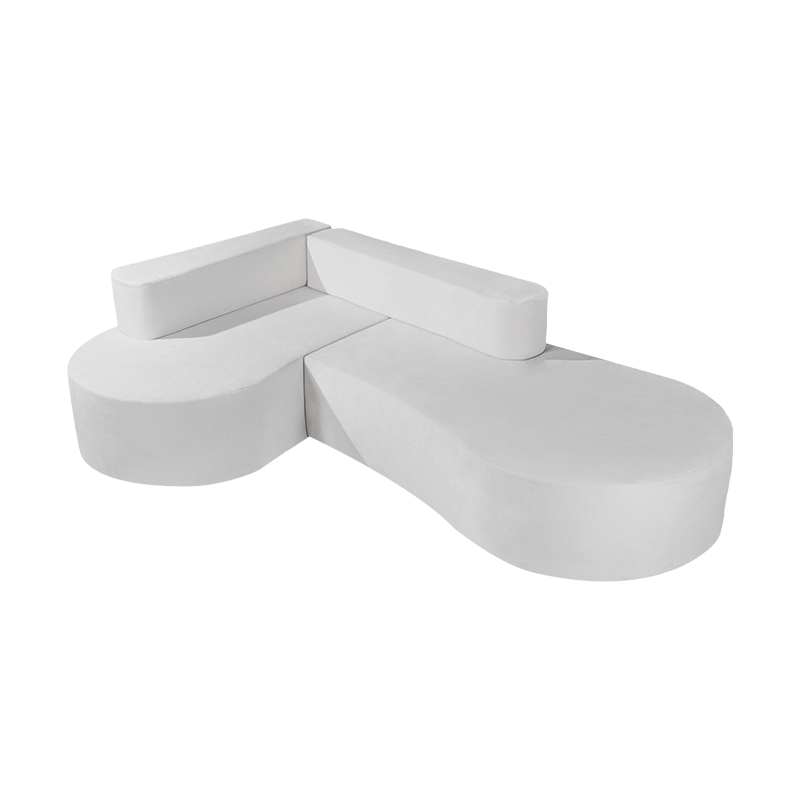
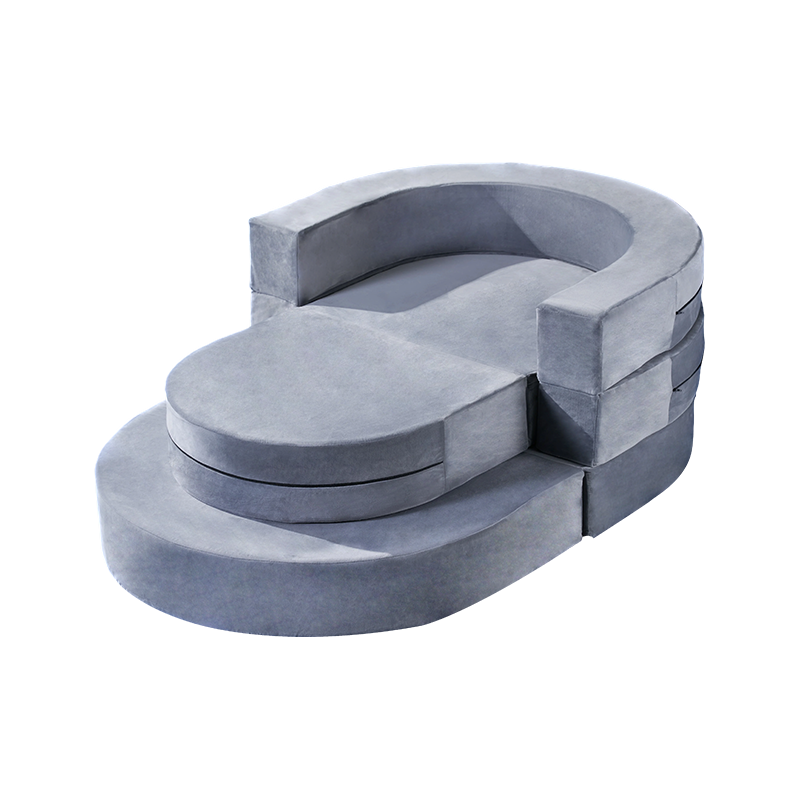
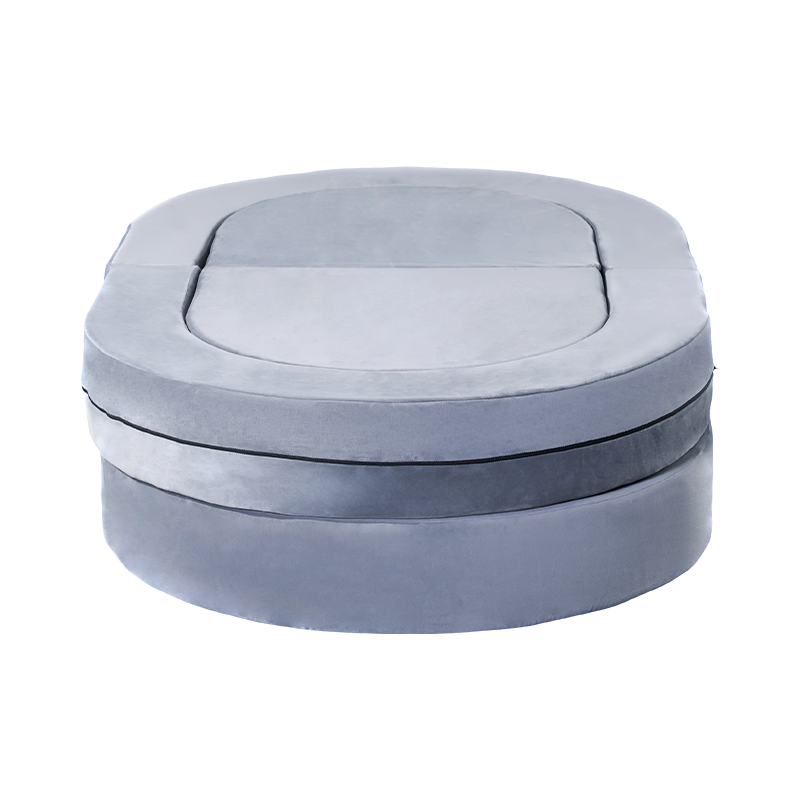
Walk into a living room built around a curved sofa and something feels different before you even sit down — there's no obvious "front" of the room, no single direction everyone has to face. A Modern Sofa Round does something a straight-line sofa rarely manages: it turns seating into a shape people naturally gather around instead of line up along. That small shift in geometry ends up changing how a room actually gets used, not just how it looks in photos.
Living rooms used to get built around a television and a rectangular sofa facing it head-on. That layout still shows up everywhere, but plenty of households are rethinking it as their rooms end up serving more than one purpose in a single day.
Why Living Rooms Keep Getting Rethought
A living room today might host a video call in the morning, a kid's homework session in the afternoon, and a few friends over in the evening, all in the same square footage. That kind of daily variety puts pressure on furniture that used to only need to handle one job.
A few shifts keep showing up in how people use these spaces:
- Working from home has pulled living rooms into daily routines they weren't originally designed for
- Smaller apartments mean furniture has to do more with less available floor space
- People increasingly want a room that feels good to sit in, not just functional
- Personal style has become a bigger factor than simply matching whatever furniture set is on sale
None of this means straight sofas are going away. It just means more households are weighing shape and flexibility alongside the basics of comfort and price.
What Actually Sets a Round Sofa Apart
A traditional sofa is built around straight edges and a clear front-facing side. A rounded design breaks from that, curving instead of angling, which changes both how the piece looks and how people end up sitting around it.
| Design Element | What Changes in Practice |
|---|---|
| Curved seating line | Removes the sharp corners typical of boxy sofas |
| No single fixed "front" | Lets people sit and face different directions naturally |
| Softer overall silhouette | Reads as less rigid within a room's layout |
| Rounded footprint | Works differently in a room than a rectangular block would |
Someone hosting a small get-together notices this pretty directly — guests tend to spread around a curved sofa rather than lining up shoulder to shoulder along one straight edge.
How Shape Changes the Way People Actually Talk to Each Other
Furniture placement quietly decides who ends up facing whom in a room. A straight sofa pointed at a television puts everyone looking the same direction, which is fine for movie night but doesn't do much for conversation.
A round sofa tends to shift that dynamic:
- People end up angled toward each other rather than all facing forward
- Group seating feels less like a row and more like a gathering
- Conversations happen more easily since eye contact doesn't require twisting sideways
- The room itself feels less locked into one single-purpose layout
A family that regularly has friends drop by for coffee or a casual evening tends to notice this shift almost immediately — the room stops feeling like a waiting area and starts feeling like a place built for actually talking.
Why Curved Furniture Has Been Showing Up More Often
Interior design as a whole has been leaning toward softer shapes across several categories, not just sofas. Rounded coffee tables, curved shelving, arched mirrors — the pattern shows up in more than one corner of a home.
| Design Shift | Why It Resonates |
|---|---|
| Softer edges | Feels less clinical than sharp, boxy furniture |
| Organic shapes | Echoes natural forms rather than strict geometry |
| Adaptable layouts | Fits a wider range of room shapes and sizes |
| A calmer visual tone | Suits homes aiming for a relaxed rather than formal feel |
A Modern Sofa Round fits squarely into that pattern, since it brings the same softened, less rigid approach into what's often the largest single piece of furniture in a home.
How This Plays Into Actually Planning a Room
Fitting furniture into a room isn't just about whether it physically fits — it's about whether the layout still leaves room to move, to add other pieces, or to rearrange things later without everything feeling cramped.
A curved sofa tends to affect this in a few specific ways:
- It softens what would otherwise be a hard rectangular block sitting in the middle of a room
- Its rounded edges make walking paths around it feel less abrupt than navigating sharp corners
- It works reasonably well as a centerpiece in an open floor plan, rather than needing to sit flush against a wall
- It can visually anchor a room without dominating it the way a large straight sofa sometimes does
Someone working with an oddly shaped or smaller living room often finds that a round sofa handles awkward corners and open layouts more gracefully than a strictly rectangular piece would.
How This Fits Into How People Actually Live Day to Day
A living room rarely serves just one function anymore. It might be where someone unwinds after work, where a family eats dinner in front of a show, or where a few people gather on a weekend with no particular plan.
| Everyday Activity | How the Sofa Supports It |
|---|---|
| Winding down after work | Offers a relaxed spot without a rigid, formal feel |
| Family time in the evening | Provides shared seating that doesn't force one direction |
| Casual visits from friends | Naturally encourages people to sit facing each other |
| General downtime | Adds a comfortable, low-pressure gathering spot |
A household that uses their living room for everything from homework to hosting tends to appreciate furniture that doesn't lock the room into one specific arrangement.
Why Comfort Keeps Getting More Attention in Sofa Design
People spend a fair amount of time on their sofas, whether working through a slow Sunday or catching up with family after a long week. Comfort here isn't only about cushion softness — it's also about whether the shape of the seating actually suits how people naturally sit and move.
Comfort considerations tend to include:
- Whether the seat depth and curve support a relaxed, natural sitting position
- Whether the shape allows people to shift positions easily without feeling boxed in
- Whether the overall look of the piece feels inviting rather than purely functional
- Whether the sofa holds up comfortably across both short visits and longer stretches of daily use
A round sofa tends to address these points by combining a softer visual form with seating that doesn't force everyone into the same fixed posture.
How Designers Balance Looks With Everyday Practicality
A sofa that looks striking but proves awkward to actually live with tends to lose its appeal fast. Designers working with rounded shapes have to account for how the piece performs daily, not just how it photographs.
| Consideration | Why It Matters |
|---|---|
| Overall shape | Sets the tone for the room around it |
| Seat structure | Needs to hold up under daily sitting and shifting |
| Size relative to the room | A piece too large or small throws off the whole layout |
| Material and finish | Needs to match the room's broader style without clashing |
A Modern Sofa Round works when it manages to look distinctive while still functioning as a comfortable, practical seat for actual daily use, not just as a design statement.
How Buyer Expectations Are Shaping Sofa Development
Furniture shopping has shifted from picking whatever matches a pre-set living room package toward choosing pieces that fit a specific lifestyle and personal taste. That shift shows up clearly in how people talk about sofas now.
What buyers increasingly weigh:
- Whether a piece reflects their own style rather than a generic showroom look
- Whether the furniture supports how they actually use their living room day to day
- Whether the layout can flex if their needs or room arrangement change later
- Whether the piece feels genuinely comfortable rather than just visually appealing
This shift in expectations is a big part of why furniture makers keep exploring shapes like rounded sofas instead of sticking exclusively to traditional straight designs.
What Makes Rounded Sofas Trickier to Plan Around
A round sofa isn't automatically the right fit for every room. Its shape takes up space differently than a rectangular piece, and getting the placement wrong can leave a room feeling unbalanced rather than improved.
| Challenge | What It Requires |
|---|---|
| Room dimensions | Needs enough open space for the curve to work visually |
| Matching other furniture | Requires some coordination so the room doesn't feel disjointed |
| Everyday practicality | Still needs to support regular sitting, not just visual appeal |
| Placement decisions | Curved shapes don't always fit against a wall the way straight sofas do |
Someone working with a small, narrow living room might find a round sofa harder to place well than someone with a more open floor plan, which is part of why planning around one takes a bit more thought than picking a standard rectangular option.
Where Round Sofas Seem to Be Headed in Home Design
Living rooms keep taking on more roles than they used to — a spot for work, for family time, for hosting, sometimes all within the same afternoon. A Modern Sofa Round responds to that by offering a shape that doesn't lock a room into one fixed direction or purpose, letting people gather, talk, and rearrange their space more naturally than a straight-edged sofa typically allows.
As homes keep asking more from single rooms and people keep looking for furniture that matches both their daily habits and their personal style, curved seating like this will likely keep finding its way into more living rooms — not as a passing design trend, but as a practical answer to how people actually spend time together at home.
 Previous