English
 Deutsch
 عربى
News
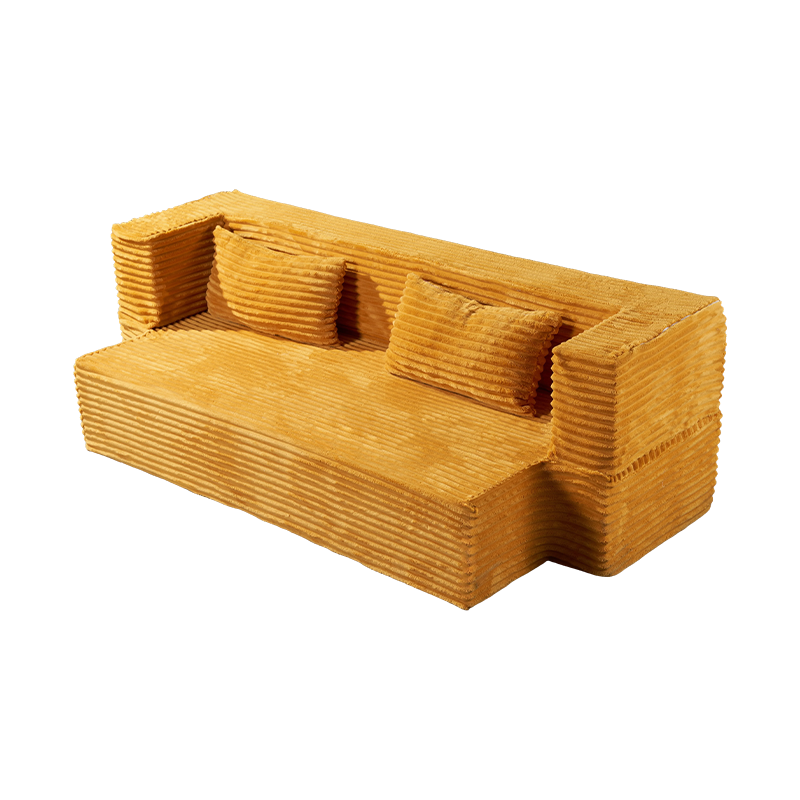
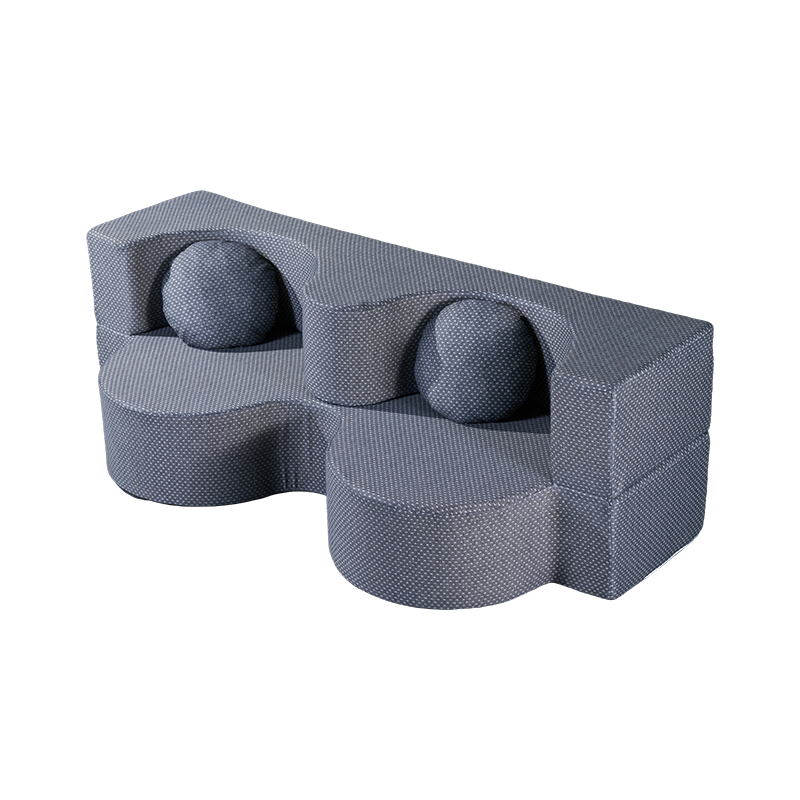
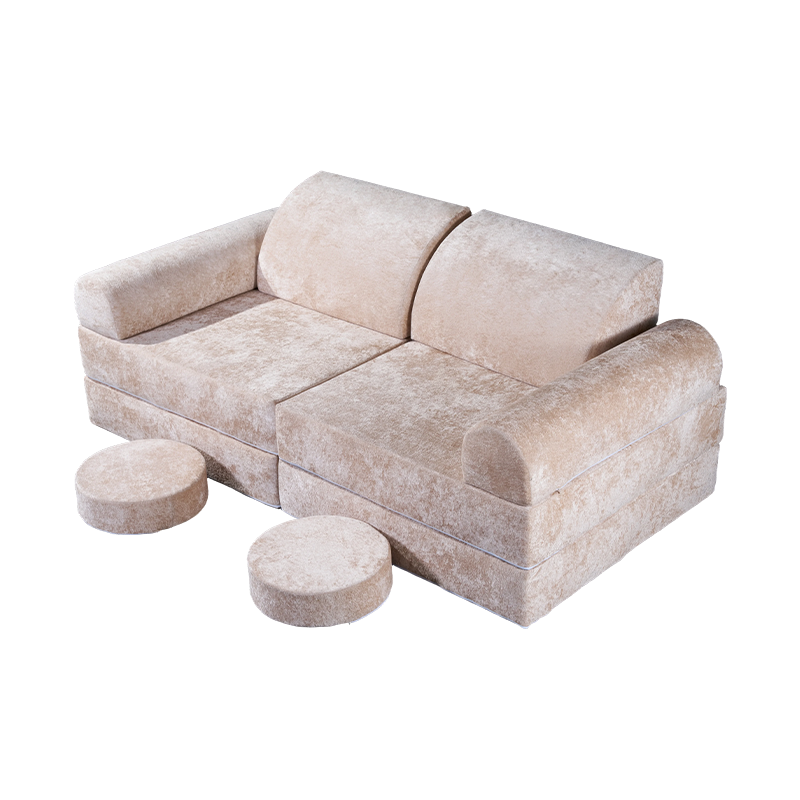
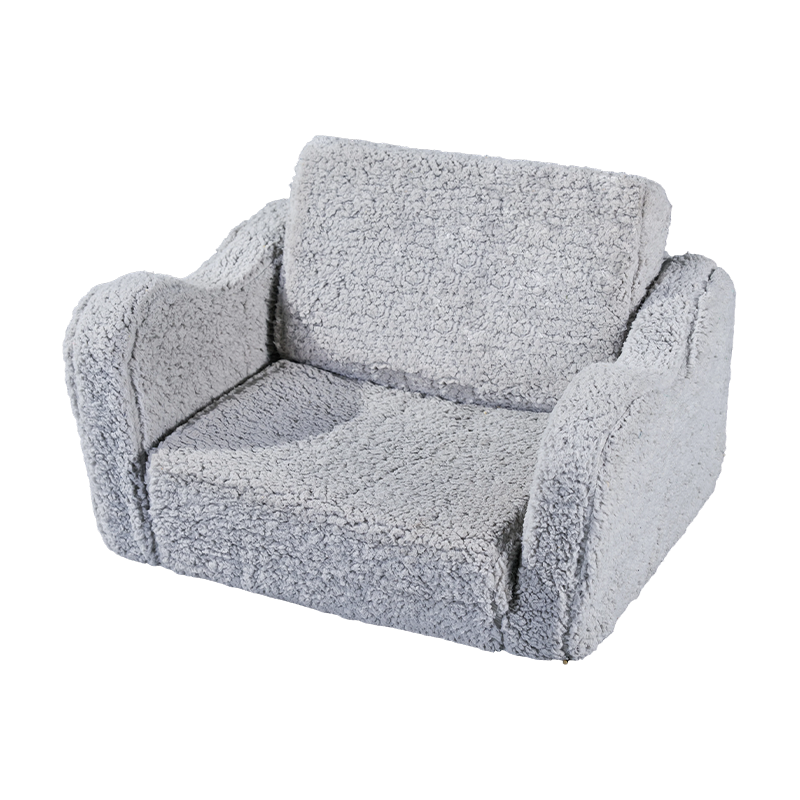
Children don't always use furniture the way adults expect. A sofa may become a climbing frame, a jumping spot or a play area. When it is time to sleep, the same piece of furniture has to unfold into a stable and comfortable bed. This combination of uses creates several safety concerns that manufacturers need to address during development.
A Kids Sofa Bed needs more than soft cushions and a sturdy-looking frame. Hinges, folding joints, gaps between cushions and even small decorative parts can create risks during everyday use. These details deserve attention before the product reaches the production line.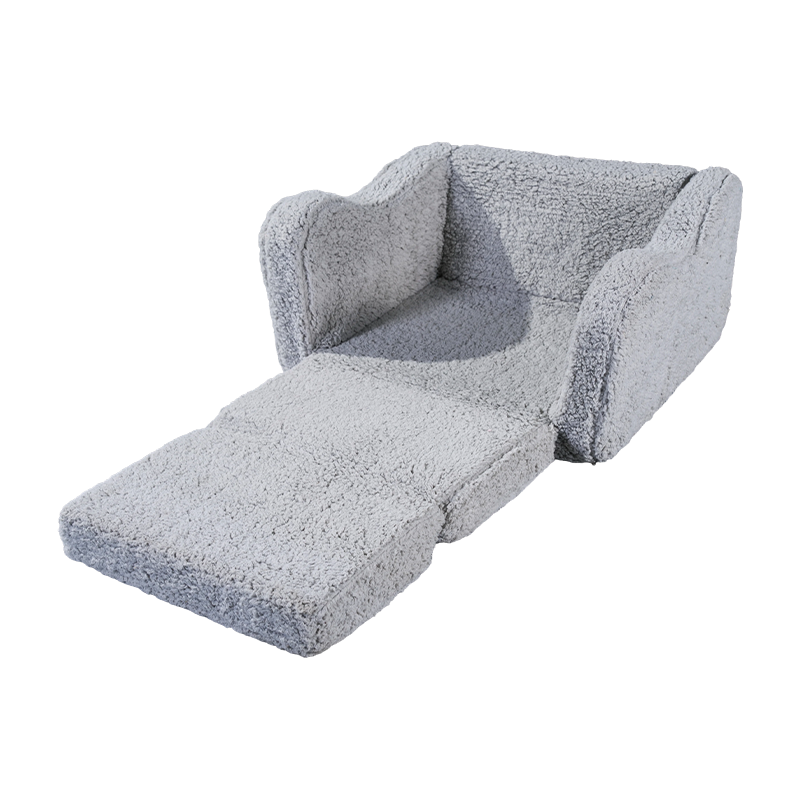
Make Sure the Sofa Bed Stays Stable
Children move around frequently when sitting or playing. They may lean heavily against the backrest, climb onto an armrest or put their weight on one side of the seat. If the base is poorly balanced, the sofa could shift or tip.
A stable design starts with the frame and its supporting structure. Manufacturers need to pay attention to the base dimensions, joint strength and weight distribution. Non-slip feet can also help prevent movement on smooth floors.
The frame should be tested as a complete assembly rather than judging its strength from individual components. Sitting loads and foreseeable movement need to be considered, particularly when the sofa is converted into a bed.
Pay Special Attention to Folding Mechanisms
The folding system is one of the most sensitive parts of a children's sofa bed. Hinges and sliding joints can trap fingers, while an unsecured mechanism may move unexpectedly under a child's weight.
Several design details can reduce these risks:
- Cover or guard accessible hinges and pivot points.
- Keep fingers away from exposed moving joints.
- Use locking devices to prevent unwanted movement.
- Control the speed and movement of folding sections.
- Position handles away from potential pinch areas.
The conversion process should be straightforward for adults, but children should not be able to operate hazardous moving parts easily. Instructions should clearly explain how to open, close and lock the mechanism.
Check Every Material That Children Can Touch
Upholstery, foam, frame materials, adhesives and surface coatings all need to be suitable for children's furniture.
Fabric should withstand regular contact and cleaning without developing loose threads or damaged areas. Foam needs to retain its shape under repeated compression, while exposed wooden or metal parts should not have splinters, sharp edges or poorly finished surfaces.
Manufacturers also need to check chemical requirements for the intended sales market. Dyes, coatings, adhesives and other substances used in production may be subject to restrictions or testing requirements.
A supplier's material declaration is useful, but the finished product also needs appropriate verification.
Remove Sharp Edges and Loose Small Parts
Children often explore furniture by touching, pulling and climbing on different sections. Decorative buttons, plastic caps, exposed screws and poorly secured fittings may become problems if they loosen during use.
Corners and exposed edges should be rounded or properly finished. Metal brackets, staples and fasteners should not be accessible during normal use.
Small detachable components deserve particular attention because they may create choking hazards, depending on the intended age group and component size.
| Safety area | Design consideration | What to inspect |
|---|---|---|
| Frame | Balanced base and reinforced joints | Stability and load resistance |
| Folding system | Guarded hinges and secure locks | Pinch points and accidental movement |
| Upholstery | Suitable fabrics and finishes | Chemical compliance and durability |
| Exposed surfaces | Rounded corners and smooth edges | Sharp edges and exposed fasteners |
| Small components | Securely attached accessories | Detachment and choking hazards |
| Cushions | Properly fitted, resilient foam | Compression and gaps between sections |
These checks should cover the finished sofa bed, including the underside and areas normally hidden by cushions.
Avoid Gaps Around Seats and Sleeping Surfaces
A sofa bed needs cushions that stay in position during both sitting and sleeping. Loose cushions or poorly fitted extensions can leave gaps where a child's fingers, arms or other body parts may become trapped.
Manufacturers should pay close attention to the connections between the seat, backrest and extended sleeping platform. Cushion dimensions, fastening methods and frame geometry all affect the size of these gaps.
The sleeping surface should also be reasonably even and supported along its length. A poorly supported extension may shift or sag under weight.
Age recommendations matter here. A product intended for an older child may have different design considerations from one marketed for toddlers. The intended age group and any use limitations should be clearly stated.
Consider Fire and Electrical Safety
Upholstery and foam need to meet the fire safety requirements applicable to the product and its target market. Testing should consider the complete material combination, since the behavior of individual materials may differ from that of the assembled furniture.
Some children's sofa beds also include USB ports, decorative lighting or other electronic accessories. These additions introduce further risks.
Wiring should be protected against pulling and damage, connections should be properly insulated, and power components should be designed to avoid overheating. Children should not be able to reach exposed electrical parts through normal use.
Test the Finished Sofa Bed, Not Just Its Components
A strong frame or a reliable hinge does not automatically mean the complete product is safe. Different parts interact when the sofa is folded, unfolded, loaded and used repeatedly.
A suitable testing program may include:
| Test | What it checks |
|---|---|
| Static and repeated load tests | Seat, backrest and sleeping platform strength |
| Stability testing | Risk of tipping during use |
| Folding-cycle testing | Wear and reliability of hinges and locks |
| Fastener inspection | Loose connections and exposed fittings |
| Upholstery testing | Seam strength and resistance to wear |
| Chemical and fire testing | Compliance with applicable requirements |
| Gap and entrapment assessment | Potential finger or limb trapping points |
The applicable standards depend on the destination market, product classification and intended age range. Manufacturers need to identify those requirements before production and test the final commercial configuration, including its materials and accessories.
Give Parents Clear Instructions
Even a carefully designed sofa bed can become unsafe when it is assembled or operated incorrectly. Parents need to know how the folding mechanism works, where the locking points are and how cushions should be positioned.
Instructions should cover the maximum load, intended age range, conversion procedure and areas where children should keep their hands during folding. They should also explain how to check for loose fasteners, damaged upholstery and malfunctioning locks.
Warning labels are most useful when they identify a specific risk and explain what action to take. General warnings that are difficult to understand offer little practical help.
Safety Needs to Be Part of the Original Design
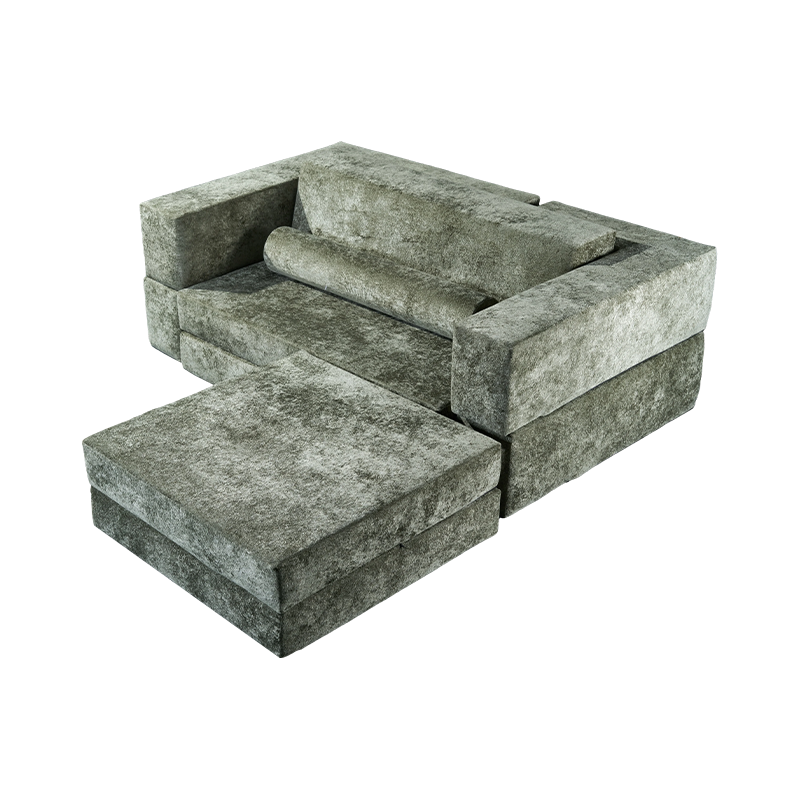
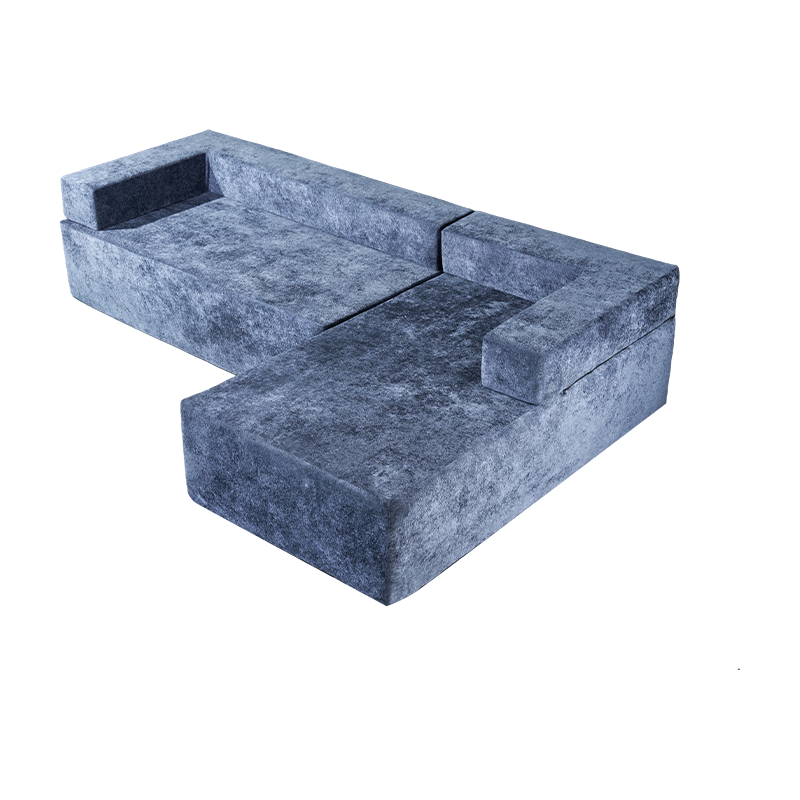
A Kids Sofa Bed combines a seating structure, a sleeping platform and a mechanical conversion system. Each brings its own safety considerations, and a problem in one area can affect the entire product.
For manufacturers, the work starts with frame stability, protected folding joints and suitable materials. Prototype testing then needs to show that these features remain effective after repeated use. The aim is not simply to make a sofa bed feel soft and sturdy, but to ensure that its moving parts, cushions and supporting structure are suitable for the way children actually use furniture.
 Previous