English
 Deutsch
 عربى
News
Home / News / Industry News / How Can Modular Lounge Sofa Configurations Adapt to Changing Interior Design Trends?

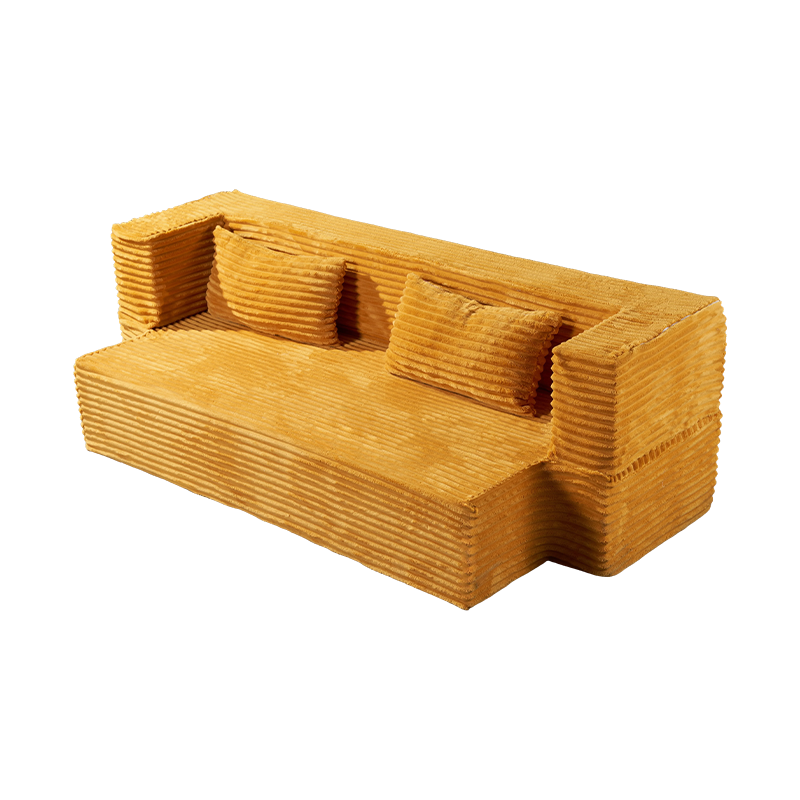
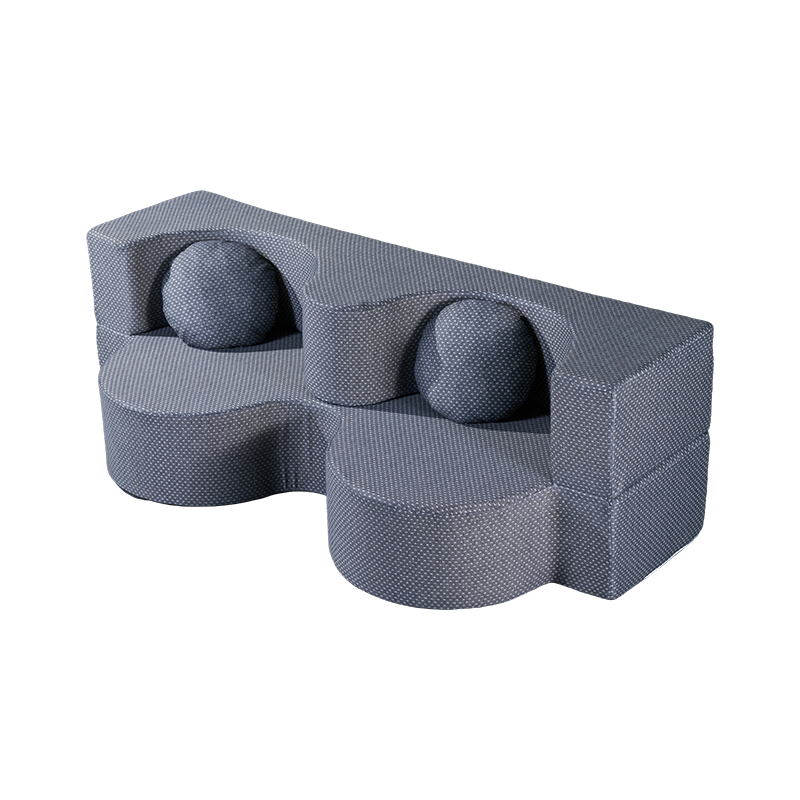
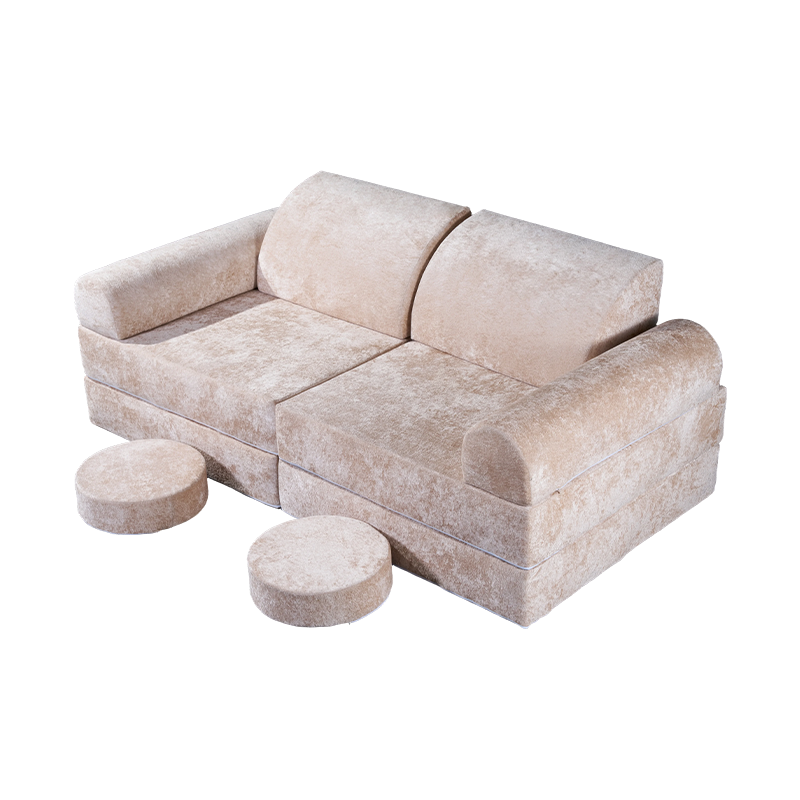
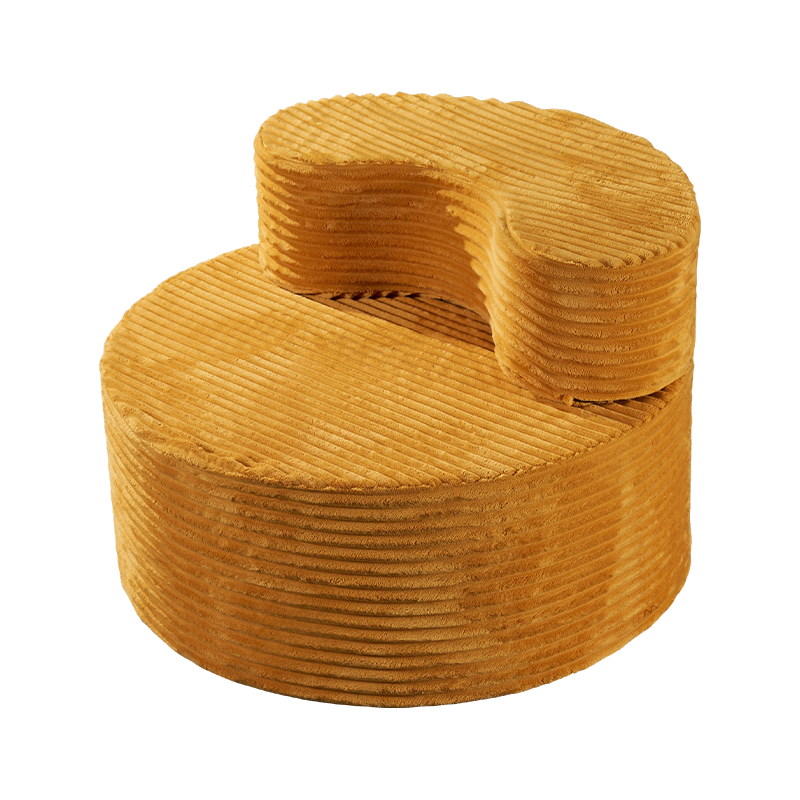
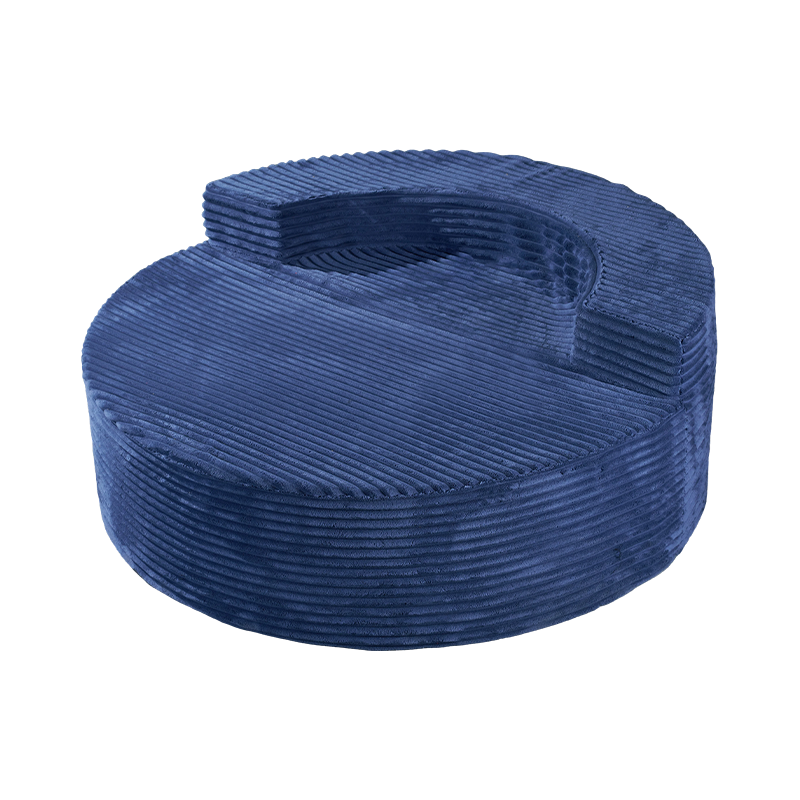
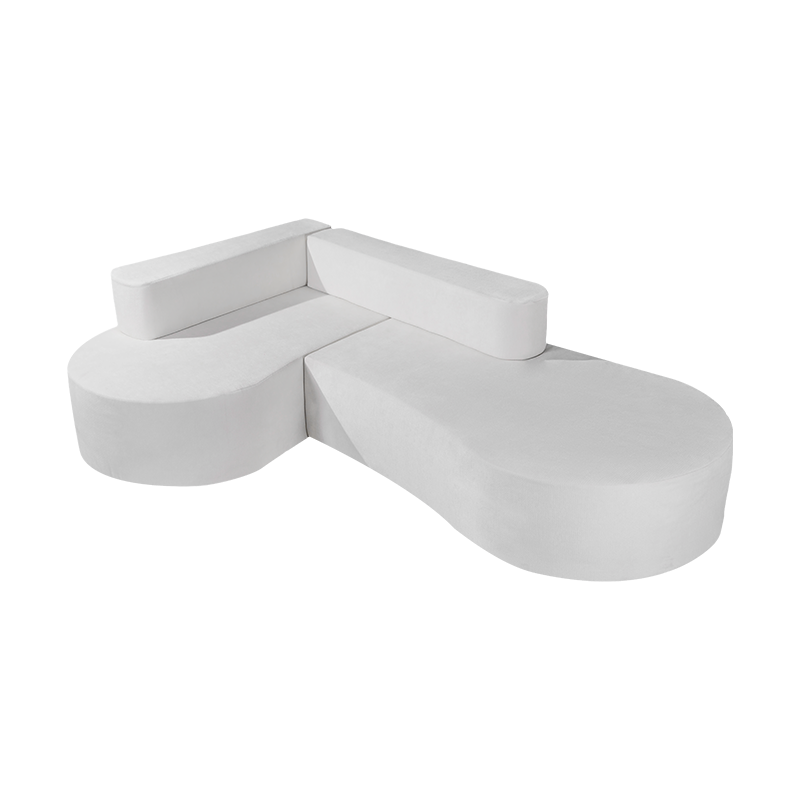
A fixed sofa comes in one shape. Once it is in the living room, changing the layout usually means moving the whole piece or buying another one. A Modular Lounge Sofa works differently. Its sections can be rearranged, and extra seats or chaise units can be added when more space becomes available.
That flexibility has made modular designs popular in residential interiors, hotels, and serviced apartments. Upholstery and module combinations also give furniture brands more room to offer different looks without developing an entirely new sofa for every collection.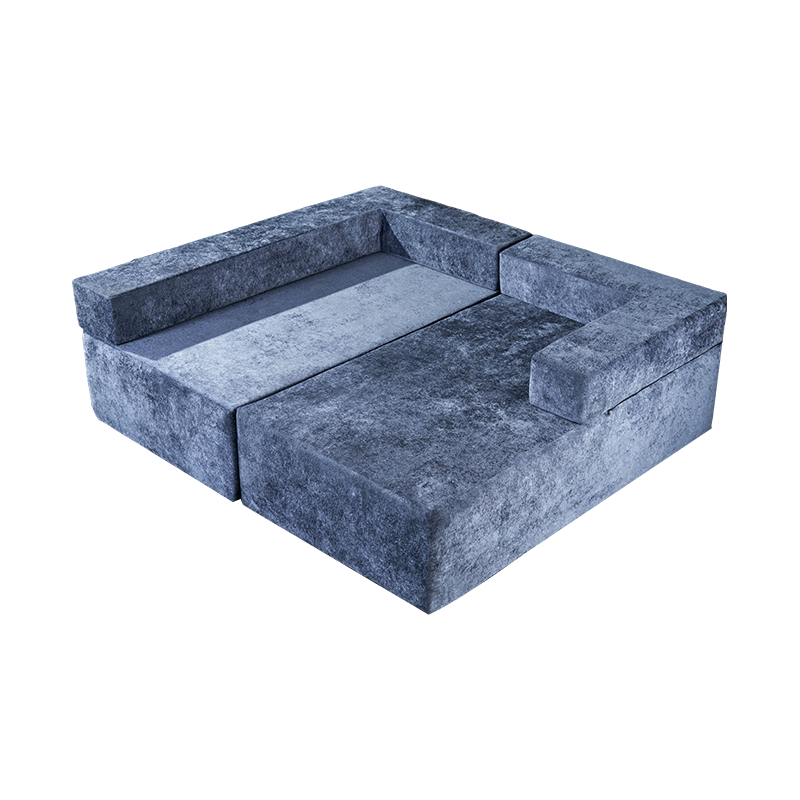
One Sofa, Different Layouts
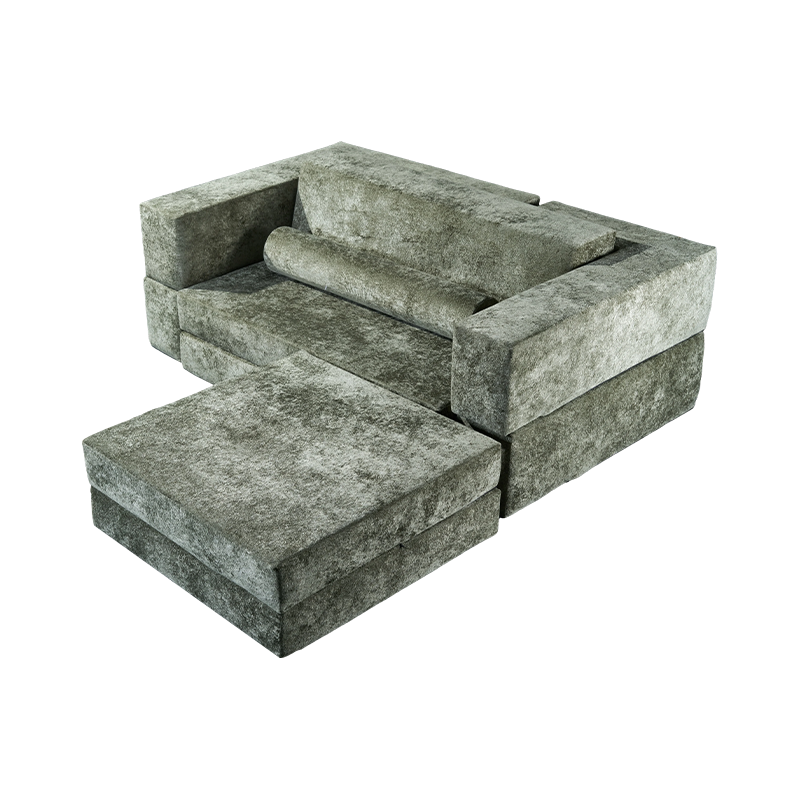
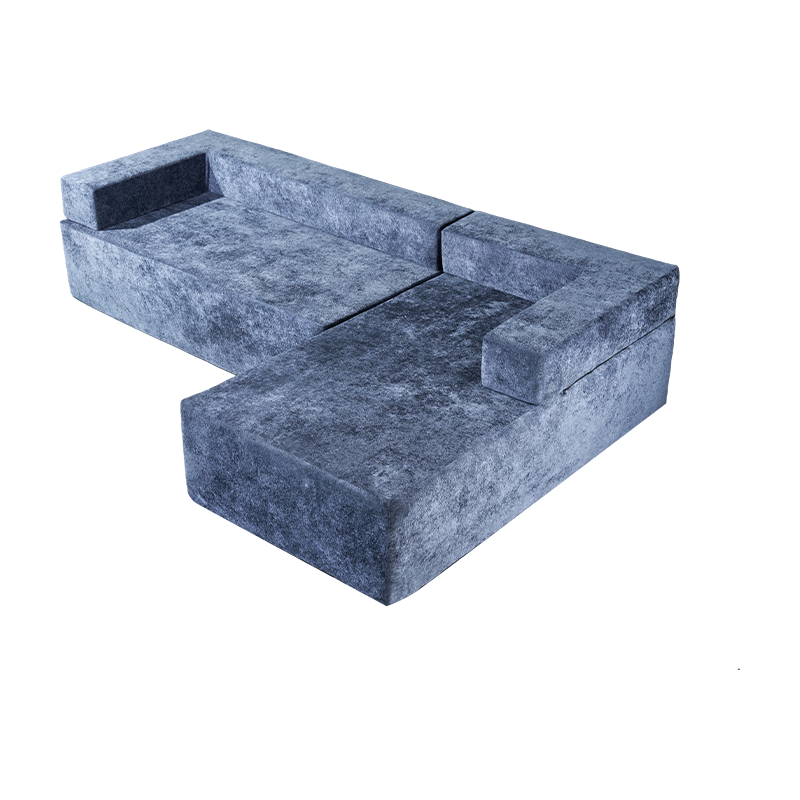
A modular sofa can be arranged in a straight line, an L shape, or a U shape. Some designs allow individual seats to stand separately, while others use corner units and ottomans to extend the seating area.
In a small apartment, two or three modules may be enough. A larger home can use the same basic design with extra sections. The arrangement can change later when the room is rearranged or the owner moves.
There is one practical detail worth remembering: not every module fits every configuration. Buyers should check connector positions and available combinations before ordering.
Upholstery Makes It Easier to Change the Look
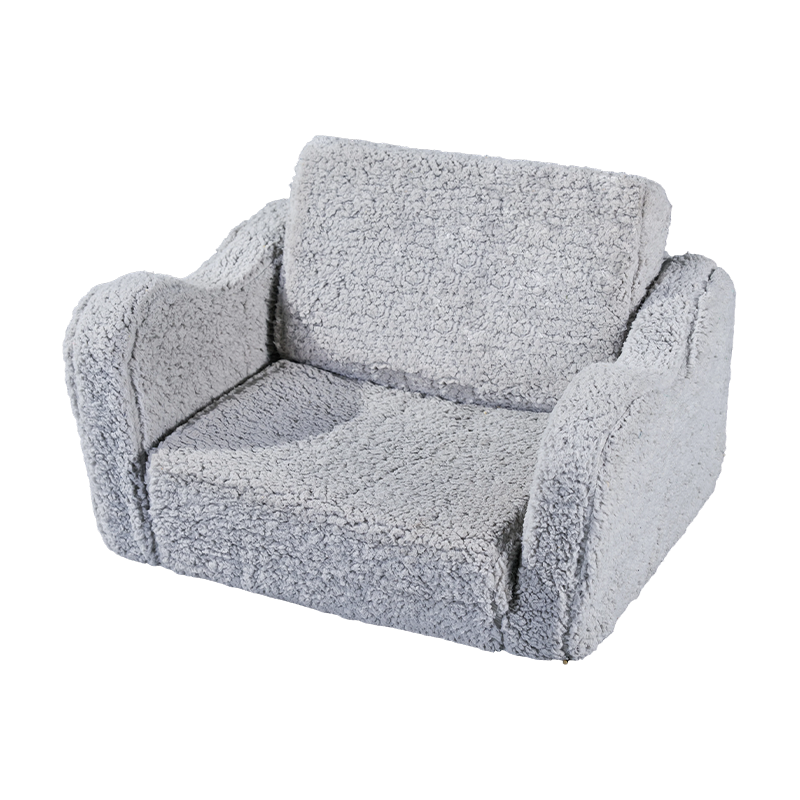
The same sofa frame can look quite different depending on its fabric and color. Beige, cream, and grey suit understated interiors. Bouclé and woven fabrics bring more texture, while leather gives the sofa a firmer, more defined look. Some collections use stronger shades such as green, blue, or terracotta.
Removable covers add another option. Owners can take them off for cleaning or replace them when the color no longer suits the room. Before buying, check whether replacement covers are available and whether the fabric can withstand regular use.
Common Modular Sofa Configurations
| Configuration | Main characteristics | Suitable spaces |
|---|---|---|
| Straight sofa | Seats arranged in one line | Small apartments and compact rooms |
| L-shaped sofa | Standard seats with a corner section | Open-plan living rooms |
| U-shaped sofa | Seating along three sides | Large family and entertainment rooms |
| Sofa with chaise | Includes an extended lounging section | Contemporary living areas |
| Separate modular units | Sections can be used independently | Rooms that need flexible seating |
A layout that looks spacious in a showroom may not work at home. Measure the available floor area, doorways, and walking routes before choosing the modules. The sofa needs enough clearance around it, not just enough room to fit.
Features Beyond Basic Seating
Some modular designs include storage under the seats, adjustable headrests, reclining sections, or movable armrests. Side tables and ottomans can also be incorporated into certain collections.
These additions can be handy in smaller homes, but they make the construction more complicated. Reclining mechanisms need to operate smoothly, storage sections need adequate support, and movable parts should stay firmly in place during use.
Buyers should pay attention to the hardware as well as the appearance. Extra features are only useful when they can handle regular use.
Frame and Connectors Matter as Much as Comfort
Modular furniture is assembled from individual sections, so its connectors have an important job. They need to hold the pieces together without making rearrangement difficult. Weak fittings can allow seats to separate or shift when someone sits down.
Other parts deserve a close look too:
For hotels and serviced apartments, where sofas receive heavier daily use, frame construction and replacement-part availability are particularly important.
Replacing Sections Instead of the Entire Sofa
One advantage of modular construction is that damage to one section doesn't always mean replacing the complete sofa. A worn seat or damaged corner unit may be changed independently, as long as compatible modules are still available.
Removable covers can extend the useful life of the furniture too. A new cover can refresh its appearance without replacing the frame and cushions.
This depends on the manufacturer's after-sales support. Some suppliers only maintain a limited range of replacement parts, so it is worth checking availability before placing a large order.
What to Check Before Buying a Modular Lounge Sofa
Product photos rarely show every detail that matters. Before choosing a model, check the module dimensions, connection system, available layouts, fabric options, and cushion construction. Confirm that the sections can be combined in the arrangements shown in the catalogue.
For furniture retailers and commercial buyers, production capacity and consistency between batches also matter. Ask about sample approval, customization limits, inspection procedures, and the availability of replacement covers or modules.
Modular Design That Can Keep Up with Changing Needs
A Modular Lounge Sofa gives people more freedom to arrange their living space. They can add seats, change the layout, or replace worn sections without necessarily buying a completely new sofa.
For manufacturers, the challenge is keeping all those options practical. Modules need to fit together properly, connectors must stay secure, and upholstery and frames need to withstand everyday use. Without those basics, flexibility on paper doesn't mean much.

+86-15557615150/ +86-18767679399
+86-15558611552
No. 2430 Pengbei Avenue, Taizhou Bay Industrial Cluster Area, Taizhou City, Zhejiang Province
Copyright © Taizhou Lishida New Material Technology Co., Ltd. All Rights Reserved.
 China Compressed Sofa Factory
 Previous