English
 Deutsch
 عربى
News
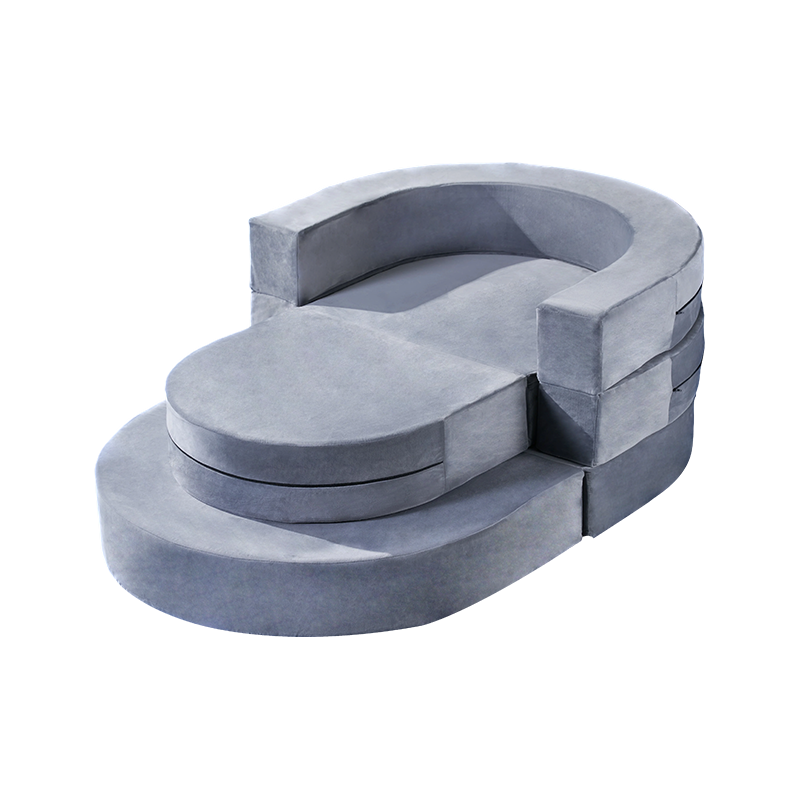
A compressed sofa sample changes form after the shipping pack is opened. That makes the first inspection different from a conventional furniture receiving check. The buyer needs to know when to assess the product, which conditions to record and how to distinguish an expected recovery stage from a concern requiring supplier review.
For wholesale programmes, the useful deliverable is a repeatable unpacking and review record. It should follow the supplier's instructions for the exact product and preserve the information needed to compare samples. A universal promise that every foam sofa reaches its final form within the same number of hours would ignore differences between products and shipping conditions.
Begin with the specific product instructions
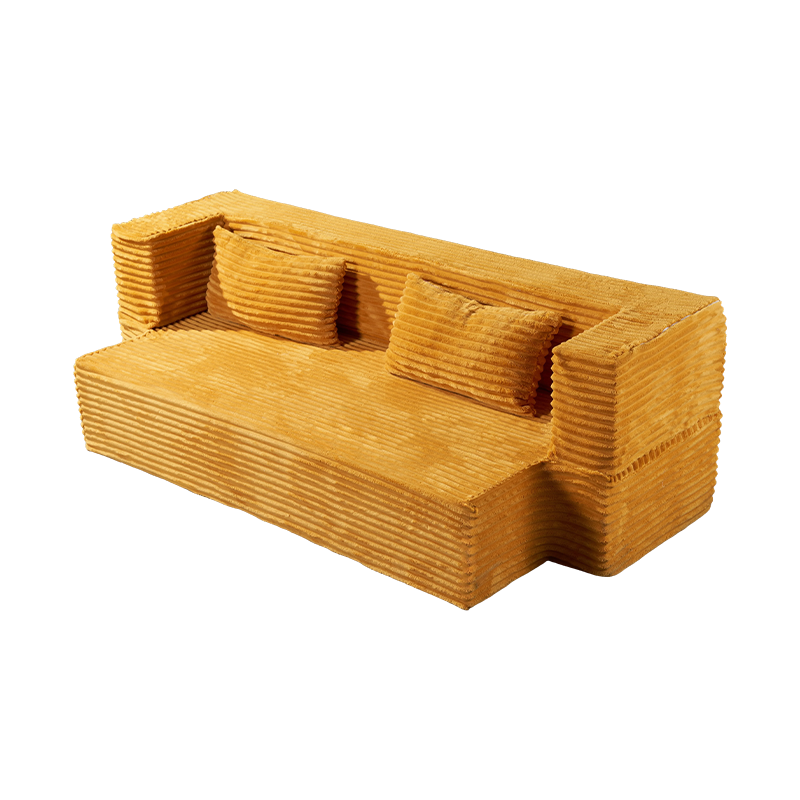
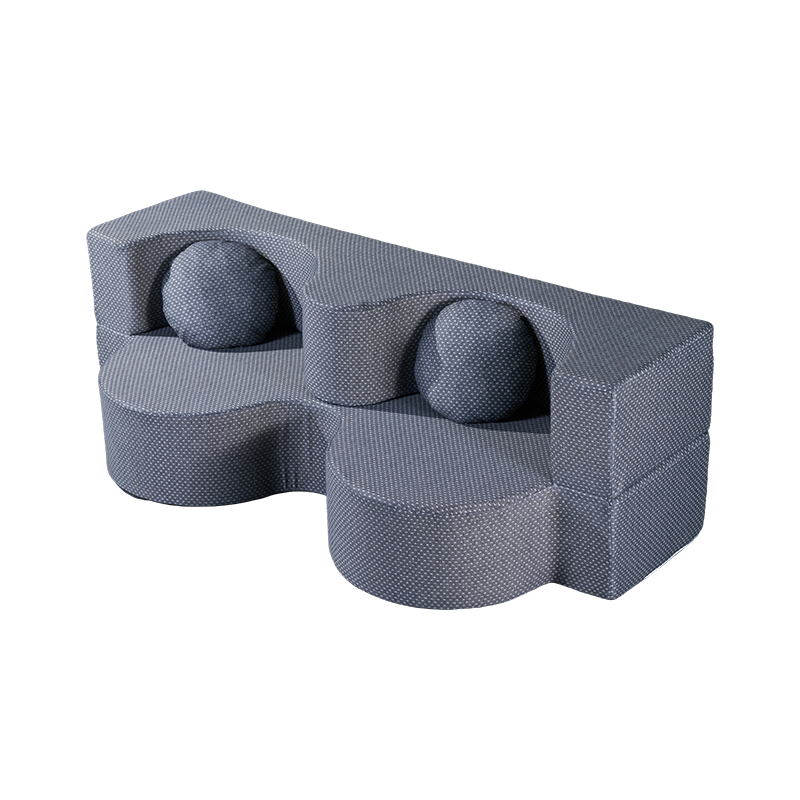
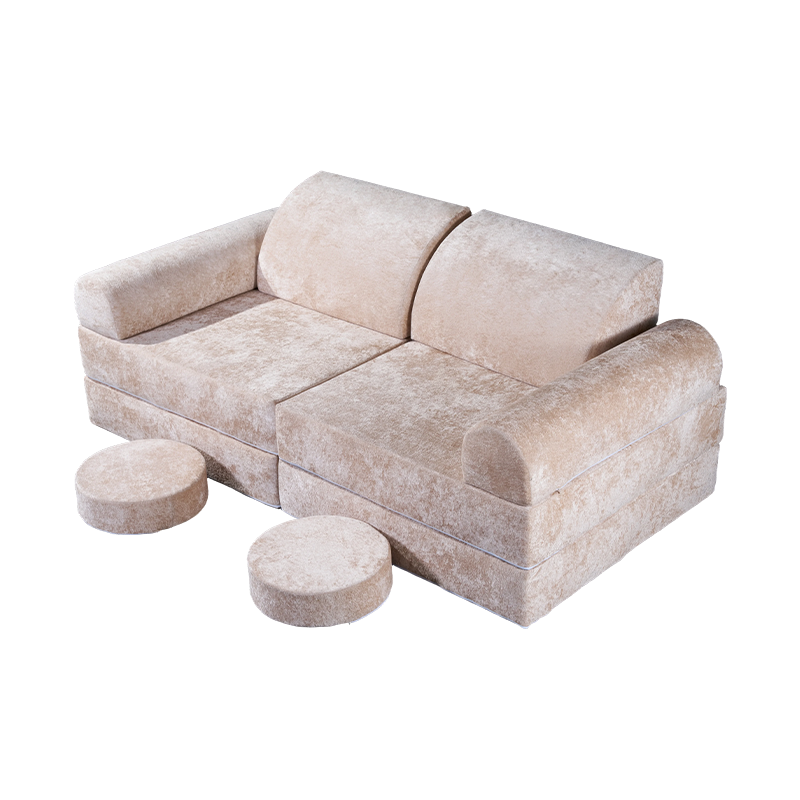
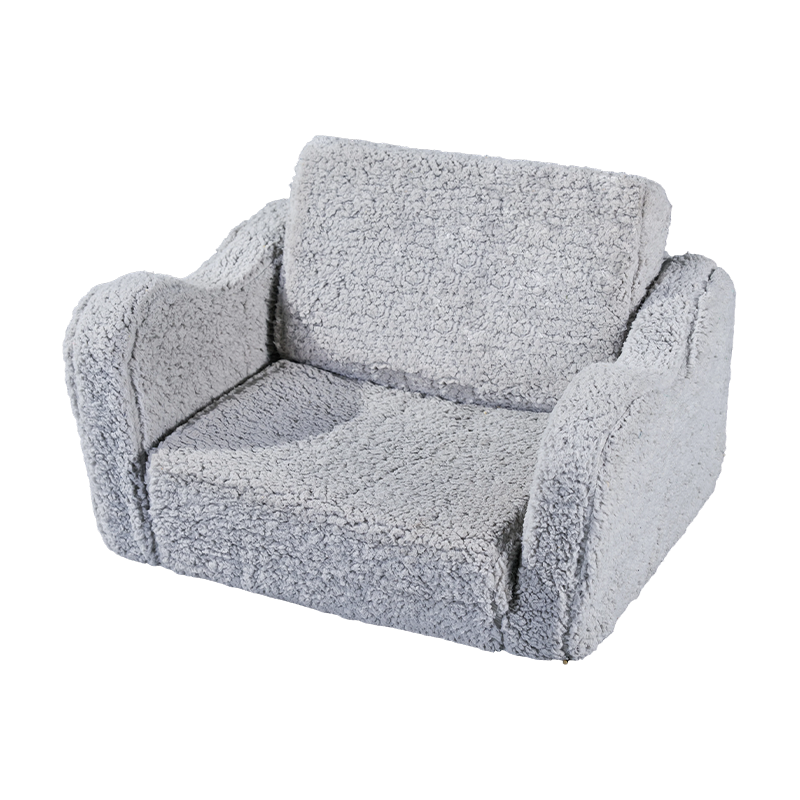
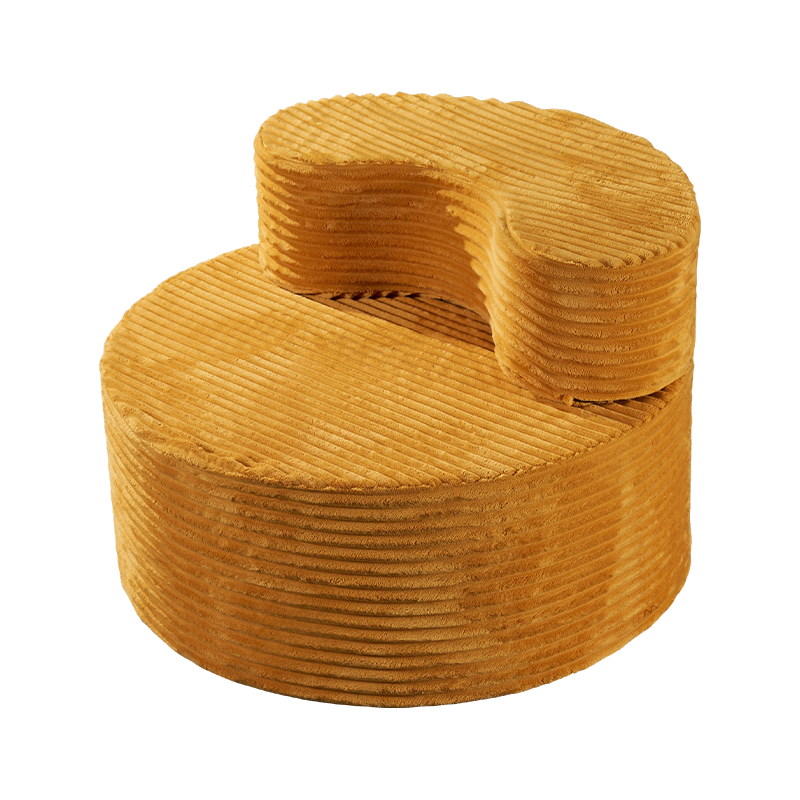
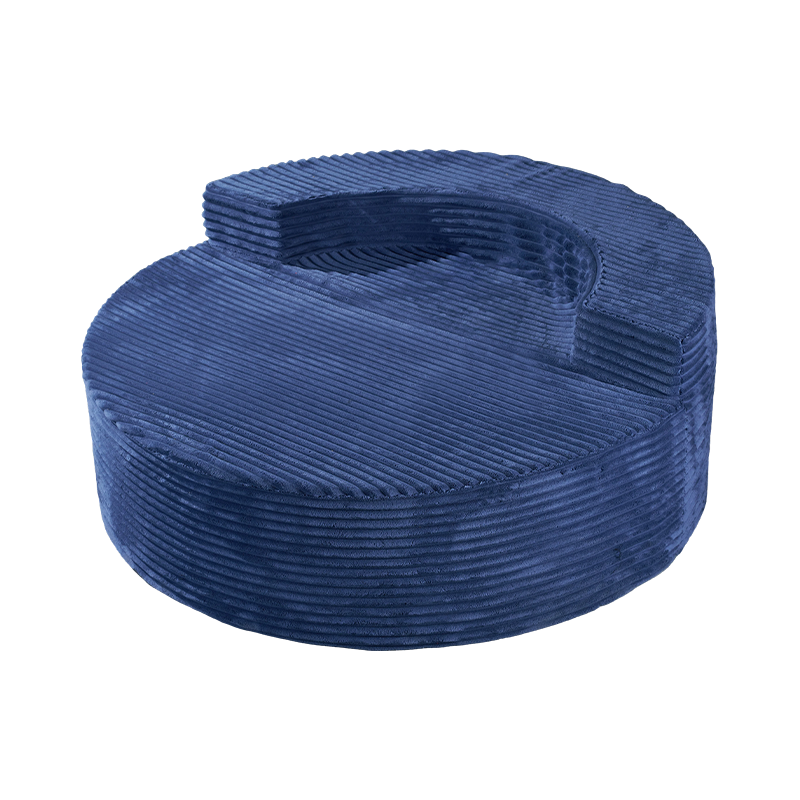
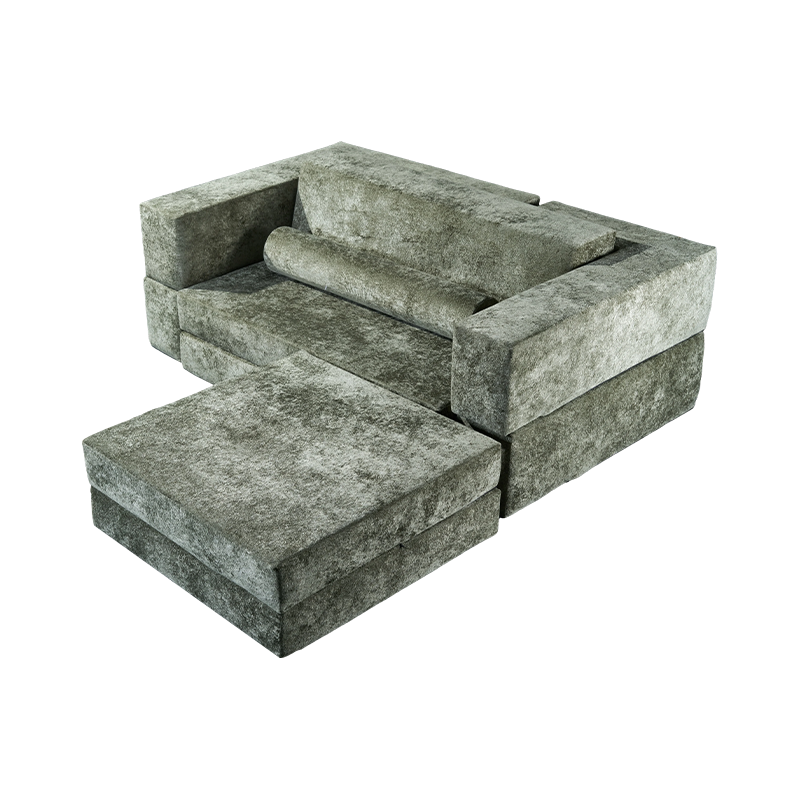
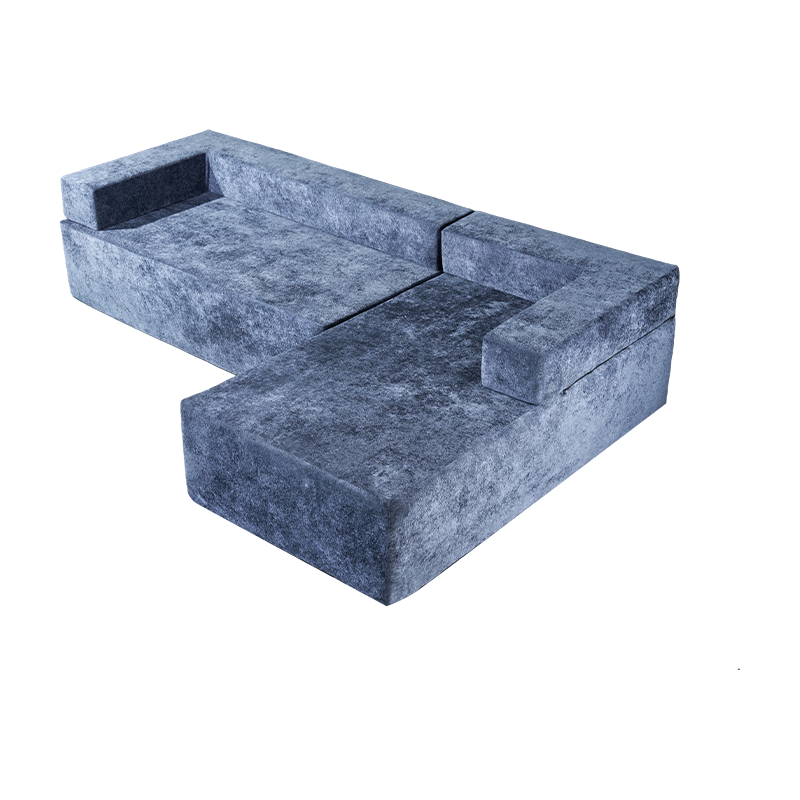
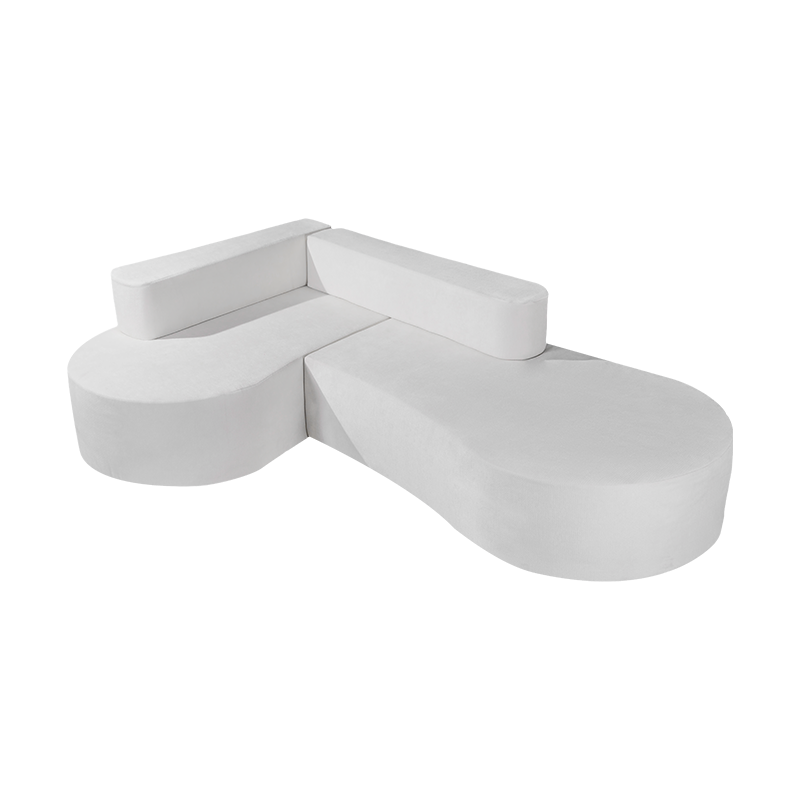
The modular all-foam lounge sofa is an all-foam modular product reference. Ask for the applicable unpacking and recovery guidance for the ordered version, including the intended handling of the packaging. Instructions from another foam product should not be transferred without confirmation that they apply.
Record the sample identity and packing condition before opening. Include the production or shipment reference available from the supplier and note any visible carton damage. If the package has been held in storage, preserve the known dates rather than estimating them from memory after an issue appears.
Choose a suitable review area according to the supplier's guidance. The product needs the space and conditions specified for unpacking and recovery. Keep sharp tools and handling methods consistent with those instructions so damage introduced during opening is not confused with a manufacturing concern.
Observe recovery as a sequence
Take an initial record after unpacking, then review at the points agreed with the supplier. Photographs should show the complete module from consistent directions. A close-up alone can exaggerate a local fold while hiding the overall shape; a distant room photograph can conceal the detail that needs attention.
Record the relevant environmental conditions where practical. Foam response and cover appearance can be influenced by the unpacking environment, so comparisons are more useful when their conditions are known. Do not add heat, moisture or other treatment unless the manufacturer specifically instructs it for that product.
| Review stage | Information to retain | Purpose |
|---|---|---|
| Before opening | Sample identity and package condition | Preserves the delivery reference |
| Initial unpacking | Time, condition and complete-module images | Establishes a starting observation |
| Agreed review points | Dimensions and appearance in the specified condition | Supports a comparable assessment |
| Assembly review | Module arrangement and contact areas | Checks the intended finished composition |
| Final disposition | Accepted points or supplier actions | Makes the outcome explicit |
Measure the product in an agreed condition
Ask which dimensions are acceptance dimensions and how they should be measured. A soft edge can yield different readings depending on the tool and applied force. The method should describe the reference points and whether the product is loaded or unloaded. Avoid treating every visible crease as a dimensional feature.
Compare the sample against the agreed drawing and tolerance, not against a perspective photograph on a screen. Product images can help identify the intended arrangement but are not a dimensional standard. For modular furniture, review the individual pieces and the assembled composition because their relationships influence the overall appearance.
A satisfactory dimensional check does not establish long-term support, durability or comfort for every user. Those are separate requirements with their own review methods. Keep the recovery record focused on the conditions and observations it can actually support.
Separate cover appearance from foam form
A wrinkle in the cover and an uneven recovered foam shape may look related but need different investigation. Photograph the affected area and describe what is visible without assuming the cause. The supplier may need additional information about orientation, packaging or the relevant construction detail.
Do not pull, stretch or dismantle the cover simply to make a sample resemble a catalogue image. Follow the provided product guidance and ask for clarification where necessary. Unapproved manipulation can make the observation harder to interpret and may introduce a new issue.
- Identify every module before arranging the full set.
- Keep unpacking and review timestamps with the photographs.
- Use consistent measurement reference points.
- Record local concerns alongside a complete-module view.
- Ask the supplier to assess unresolved observations against the agreed criteria.
Where the product includes several independent modules, avoid comparing one freshly opened module with another that has already been standing for a different period. Review each piece within the recorded sequence. A consistent process helps reveal whether a concern belongs to one component or to the way the comparison was made.
Turn sample learning into a retail handover
Once the sample guidance is accepted, use it to prepare clear customer information for the actual product. Explain the unpacking sequence, space requirement and applicable recovery guidance in language that matches the supplier documentation. Do not convert an observed sample time into a guaranteed recovery time for every delivery.
The packing list should identify the number of modules and cartons in the ordered arrangement. Customers need to understand which pieces form the complete sofa and whether all packages have arrived. Good recovery instructions are less useful if the buyer cannot identify the parts they are inspecting.
For a compressed sofa programme, the approval record should connect the packing reference, unpacking instructions, measured condition and finished arrangement. That gives wholesale buyers a practical way to discuss concerns with the supplier and gives retail teams a more accurate basis for explaining what happens after the carton is opened.
Keep a copy of the accepted unpacking guide with the retained sample record. If packaging or compression arrangements change, ask whether the review conditions or customer instructions need updating. The relationship between the shipping form and recovered furniture should remain traceable even when the retail name and exterior fabric appear unchanged.
 Previous