English
 Deutsch
 عربى
News
A modular sofa is seen as one composition even when it is made from separate pieces. A difference between adjacent panels can draw attention to a joint that the product photograph barely shows. For furniture importers, reviewing a fabric swatch alone leaves that assembled appearance unresolved.
All-foam sofa cover panels deserve a review that connects material selection with module arrangement. The aim is to define the intended visual relationship between seats, backs and sides. This article concerns appearance coordination; it does not assign an unverified fabric composition, wear rating or construction detail to a product shown in a photograph.
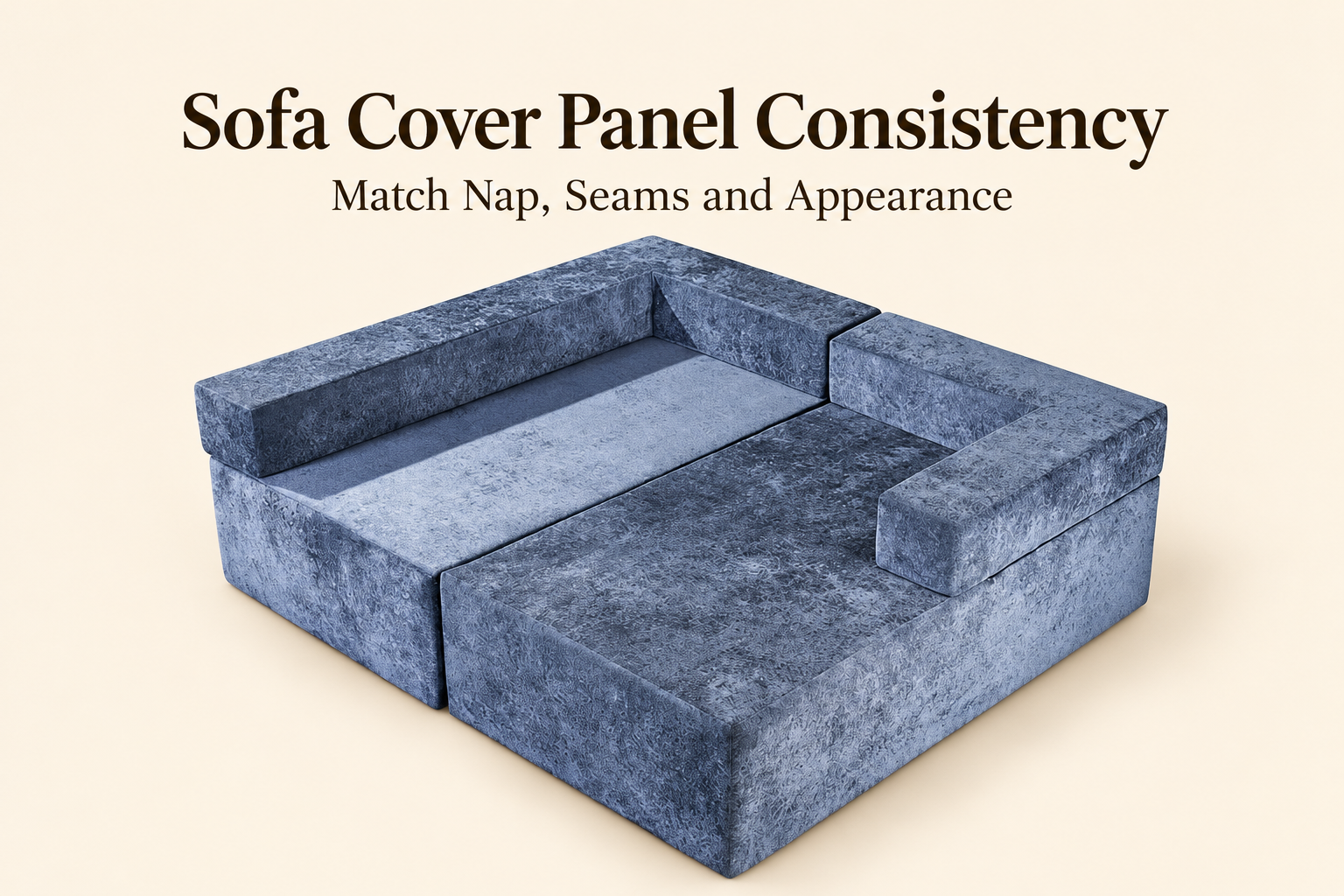
See the arrangement before isolating the fabric
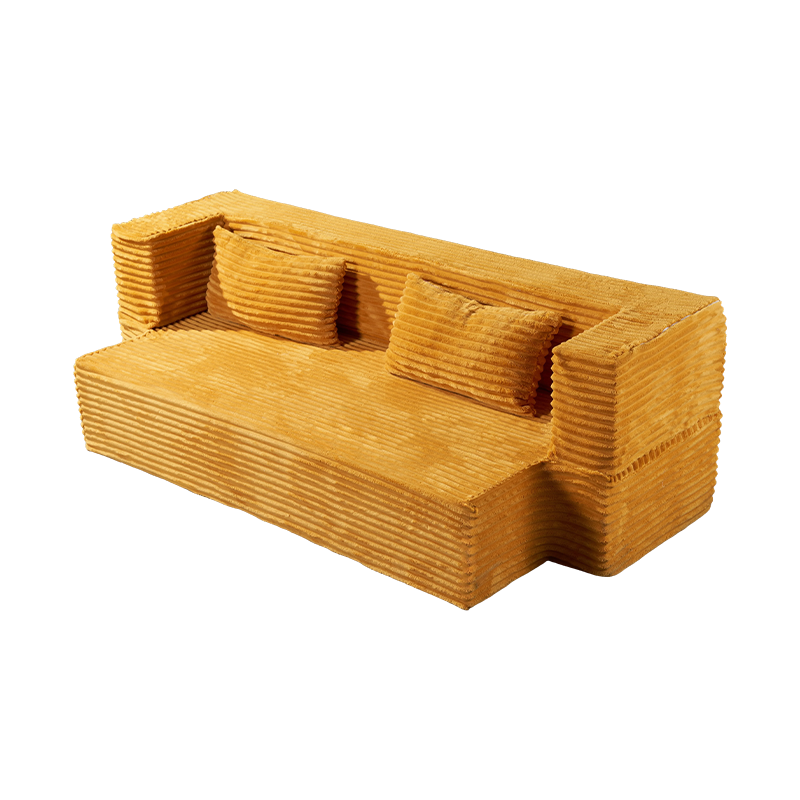
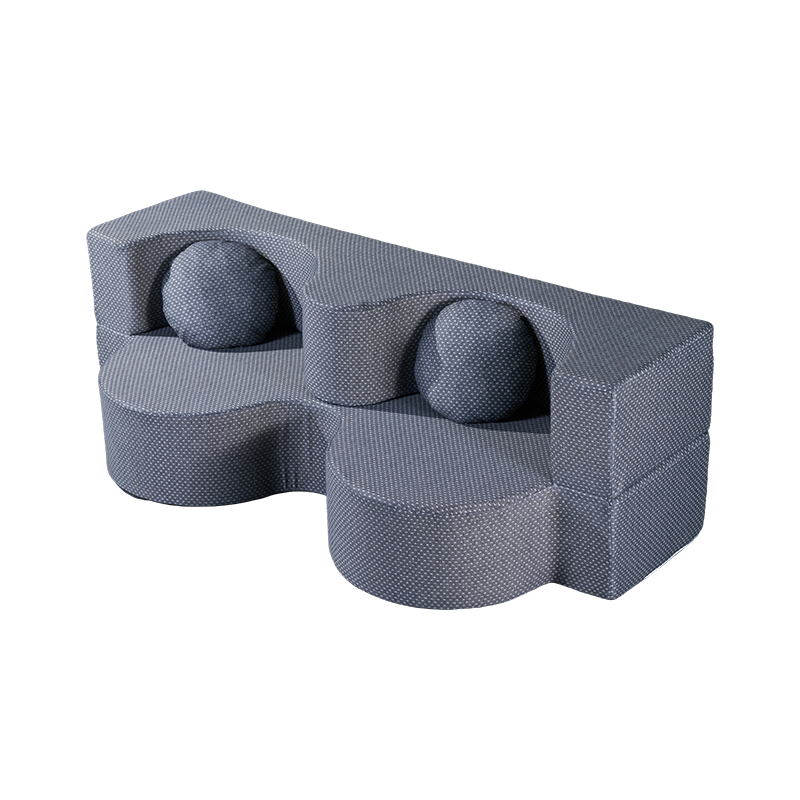
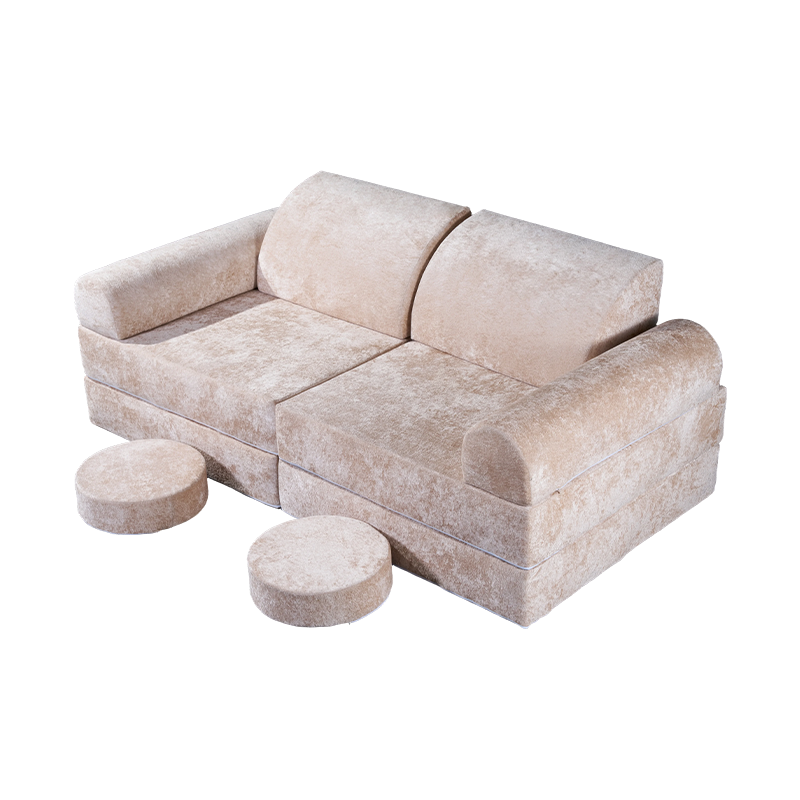
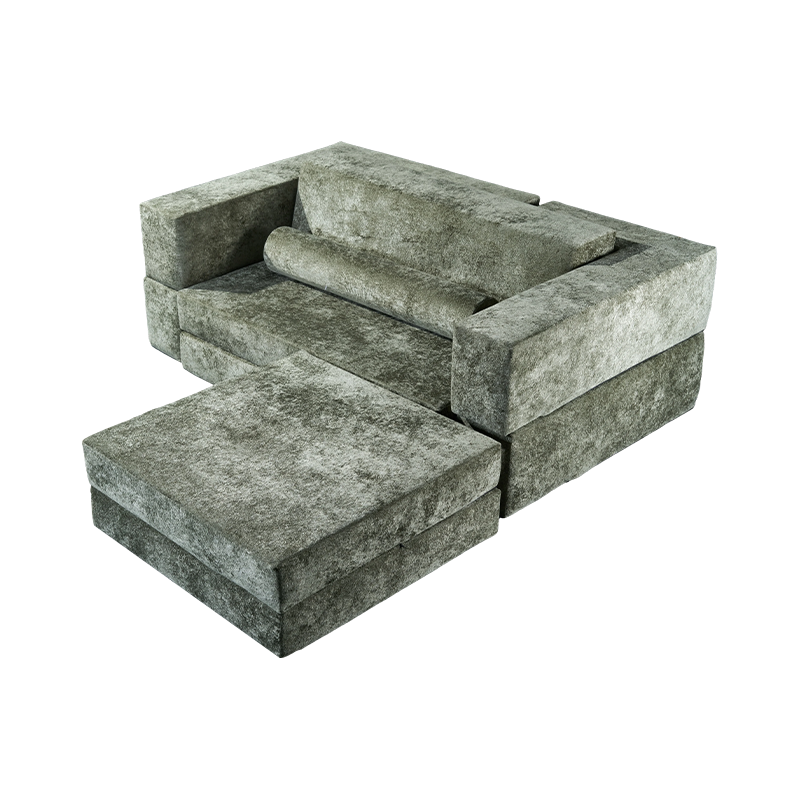
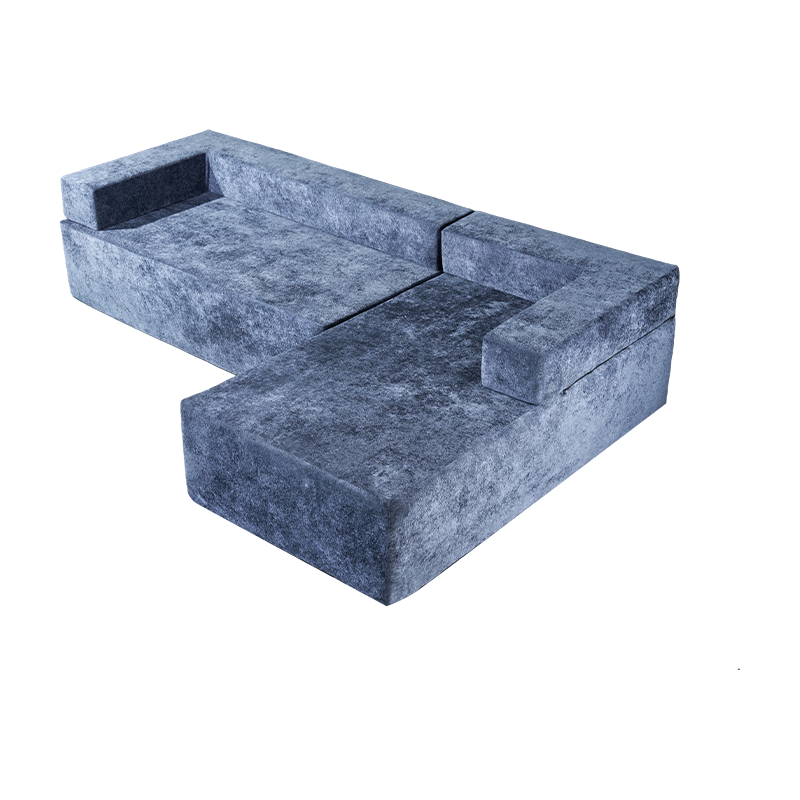
Begin with the ordered module combination. The modular all-foam lounge sofa should be reviewed in the configuration included in the quotation, with each component identified. A photograph of one module cannot show how adjacent cover panels meet in the complete layout.
Mark the primary viewing directions: front, side and any other exposed position relevant to the sales presentation. A back panel that faces a wall in one display may be visible in an open-plan arrangement. Tell the supplier which faces are intended to be presented to customers.
Keep the configuration record separate from promotional styling. Decorative objects and room lighting can make a photograph attractive while distracting from seams or panel differences. Review a clear view of the assembled furniture as well as the intended lifestyle presentation.
Ask whether fabric direction matters for the chosen cover
Some upholstery appearances are directional. Before using the phrase sofa fabric nap direction in a specification, ask the supplier whether it applies to the selected fabric and how the material should be evaluated. Do not assume that every textured or visually mottled cover has the same construction.
Where direction is relevant, agree how it is represented on the cutting or panel record. A small swatch rotated on a desk may not show the same relationship as two large adjacent panels on the sofa. Ask for the appropriate sample arrangement rather than approving a direction from a single photograph.
Review the material under consistent conditions. Changing the viewing angle, lighting or panel orientation during comparison can create an apparent difference that is difficult to interpret. Keep those conditions recorded so a later sample can be compared on the same basis.
Avoid using photography as the sole colour reference
Screens, camera settings and room lighting can affect the impression of upholstery. Retain the agreed physical material reference where appearance matters. Photographs are useful for locating the concern and showing panel relationships, but they should not silently replace the approved sample.
If a digital approval is unavoidable for a particular stage, state its limitations and the next confirmation step. Do not describe a screen-based review as a guarantee that every production panel will appear identical under every customer's lighting.
Locate seams on a module map
Modular sofa seam placement is easier to discuss on labelled views than through the phrase neat stitching. Identify visible seams, panel boundaries and relevant corners for the offered construction. Ask the supplier to show what is proposed rather than designing an unseen cover structure from a catalogue image.
Consider how the seams appear when modules are placed together. A feature that looks balanced on an isolated piece can create a different visual rhythm when the arrangement is repeated. Confirm whether modules have a fixed presentation direction or may be rearranged by the customer.
Keep appearance review separate from a claim about seam strength. Stitch appearance and seam performance are different requirements. If performance evidence is needed, specify the appropriate method and acceptance criteria through the technical purchasing agreement instead of inferring durability from a close-up photograph.
| Appearance element | Reference to agree | Useful sample view |
|---|---|---|
| Fabric identity | Exact offered fabric and colour reference | Physical swatch linked to the order |
| Directional appearance | Supplier's explanation and intended panel orientation | Adjacent panels viewed consistently |
| Visible seams | Proposed locations and appearance reference | Clear front, side and corner views |
| Module relationship | Ordered combination and permitted arrangements | Complete assembled layout |
| Repeat production | Retained approved reference and change procedure | Representative production sample |
| Customer imagery | Accurate configuration and colour description | Product and lifestyle photographs kept distinct |
Make the approval large enough to be meaningful
A swatch is useful for narrowing a material choice. It does not fully represent how the cover looks across a seat, around a corner or beside another module. Agree which larger sample or finished configuration will be reviewed before production is released.
Record the sample identity, configuration and relevant observation conditions. If an appearance concern is found, identify its location and compare it with the reference before assigning a cause. A darker-looking side is an observation; it is not automatically proof of a material or cutting error.
Ask the supplier what variation is expected and how a disputed difference will be assessed. The answer should be specific to the offered fabric and process. Avoid a blanket request for zero variation without a usable comparison method or an agreed physical reference.
Keep changes visible through repeat purchasing
If fabric, panel orientation or seam details change, update the relevant reference. A replacement material with a similar colour name may have a different visual character. Review the assembled appearance before treating it as an equivalent supply option.
The same discipline helps product listings. Use imagery and descriptions matching the approved offered combination. Do not imply that every displayed colour or module arrangement is included in a single order, and do not add unsupported technical claims to explain a visually attractive surface.
- Identify the complete ordered module arrangement.
- Retain the exact material and colour reference.
- Confirm whether directional appearance needs control.
- Review seam locations on labelled module views.
- Approve an appropriate assembled sample, not only a tiny swatch.
- Define how material or panel changes are reviewed for repeat orders.
Send the configuration and intended viewing conditions with the upholstery enquiry. This gives the supplier a clear appearance brief and gives the buyer a reference that remains useful when a sample becomes a repeated modular furniture order.
 Previous