English
 Deutsch
 عربى
عربىNews
Open living areas have changed how people think about furniture in their own homes. A sofa is no longer placed only against a wall or arranged around a fixed television position like it used to be. It can now help divide space, guide movement, and create a more relaxed social setting throughout the day.
Round forms fit naturally into this change happening in modern layouts. Their softer outline can reduce the visual heaviness that sometimes comes with large rectangular furniture crowding a room. This makes a curved or rounded sofa useful when a living area needs separation without feeling closed off from the rest of the space.
A round sofa can also encourage people to face each other during a conversation. Traditional seating often directs attention toward one point, like a TV screen, while a curved arrangement can support conversation from several directions at once. This makes the shape suitable for homes where dining, relaxing, reading, and social activities all share the same open space.
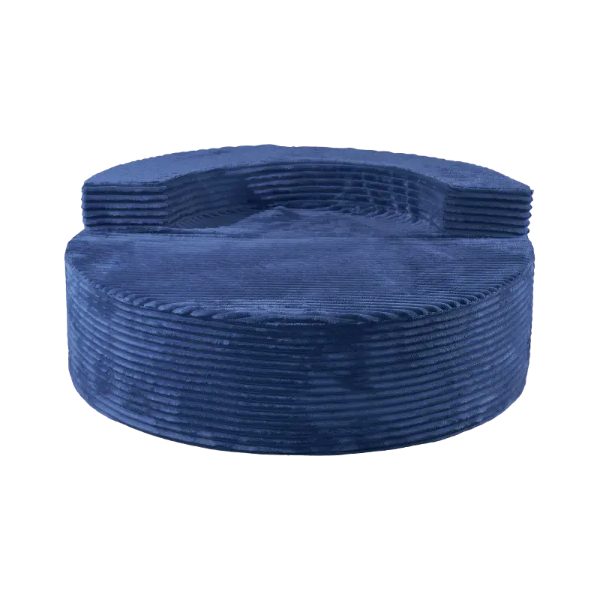
The role of a sofa therefore goes beyond simply sitting on it. Its shape can influence how people move through a room and how they use the area around it throughout the day.
The idea is similar to many everyday products that get designed around simple human actions. A Salt and Pepper Gravity Grinder, for example, can be used with a natural movement, rather than requiring a complicated process at the stove. The product becomes easier to use because its operation fits the user's existing habits.
Modern furniture can follow the same principle at home. A sofa shouldn't make people think about how to use it in the first place. Its form, access, comfort, and position should support everyday behavior in a fairly simple way.
How Does a Round Shape Change the Feeling of an Open Room?
Shape has a genuinely strong visual effect on furniture sitting in a room. Straight edges can create clear boundaries between spaces, while rounded forms often make a space feel softer and more connected overall.
This difference becomes a lot more noticeable in open-plan rooms without walls to break things up. When a sofa sits between a living zone and another area, a hard rectangular outline may create a strong visual division that feels abrupt. A rounded sofa can create separation while still maintaining a sense of flow between the two zones.
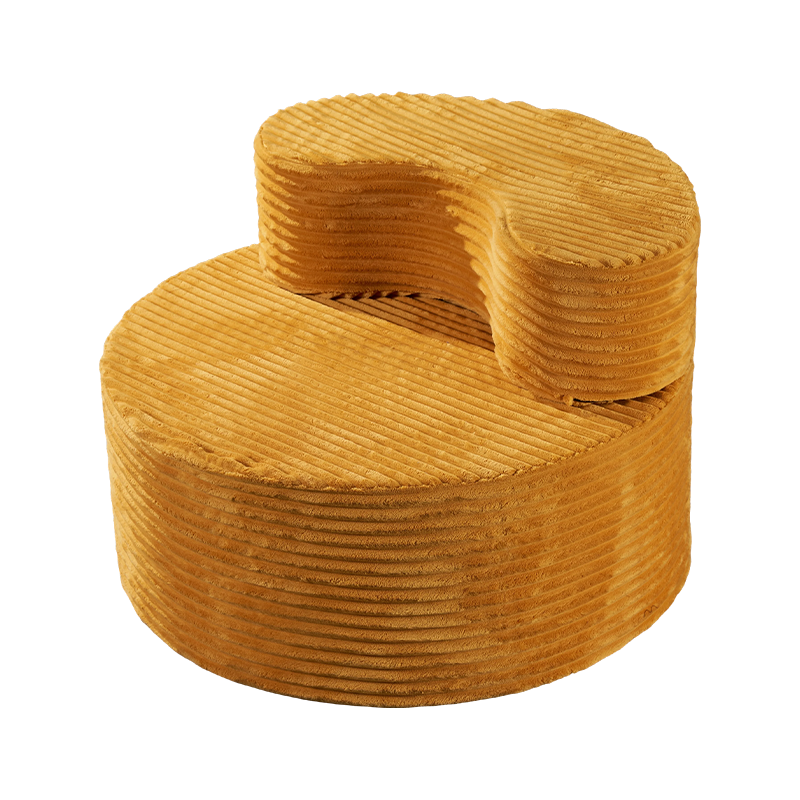
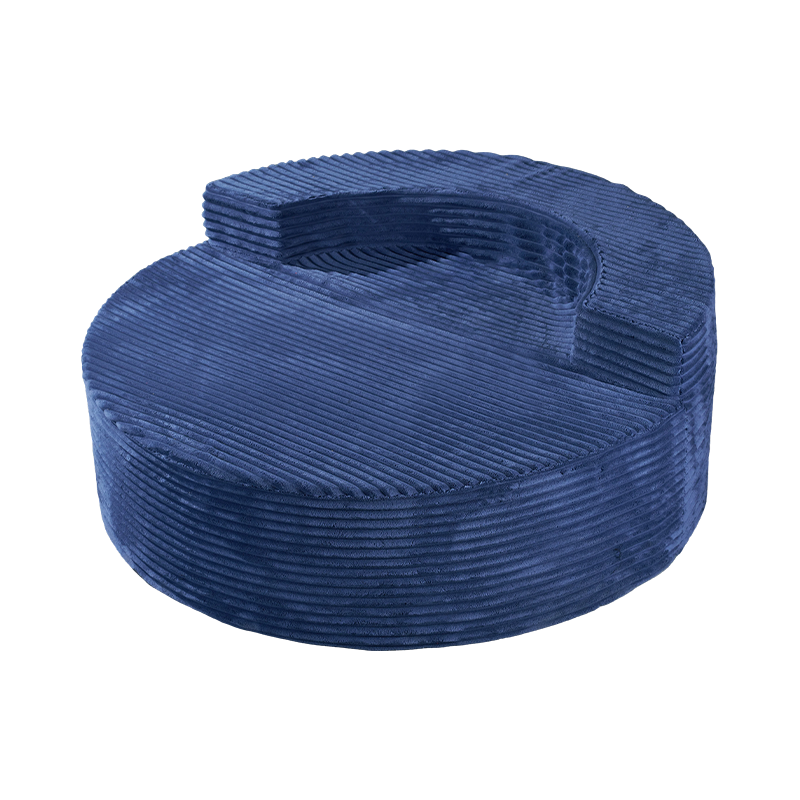
A Round One Seater Sofa can work especially well in this kind of setting. Its compact form allows it to stand alone without creating a large visual block in the middle of the room. It can get placed near a larger sofa, beside a reading area, or within a smaller conversation space tucked into a corner.
The shape also gives homeowners more freedom when changing the room arrangement down the road. A single seat can be moved or repositioned without redesigning the entire furniture layout from scratch.
This flexibility matters, since open living areas are often used for different activities throughout the day. Morning coffee may happen near a window catching the light, while evening conversations may take place closer to the main seating area instead.
Furniture that supports these changes can make the room feel a lot more practical day to day. The sofa becomes part of a flexible environment, instead of being a fixed object with only one purpose baked into its design.
Can Single Seating Create a More Flexible Social Space?
Single seating has a genuinely interesting role in modern interiors these days. It gives people personal space while still allowing them to remain part of a shared room with everyone else.
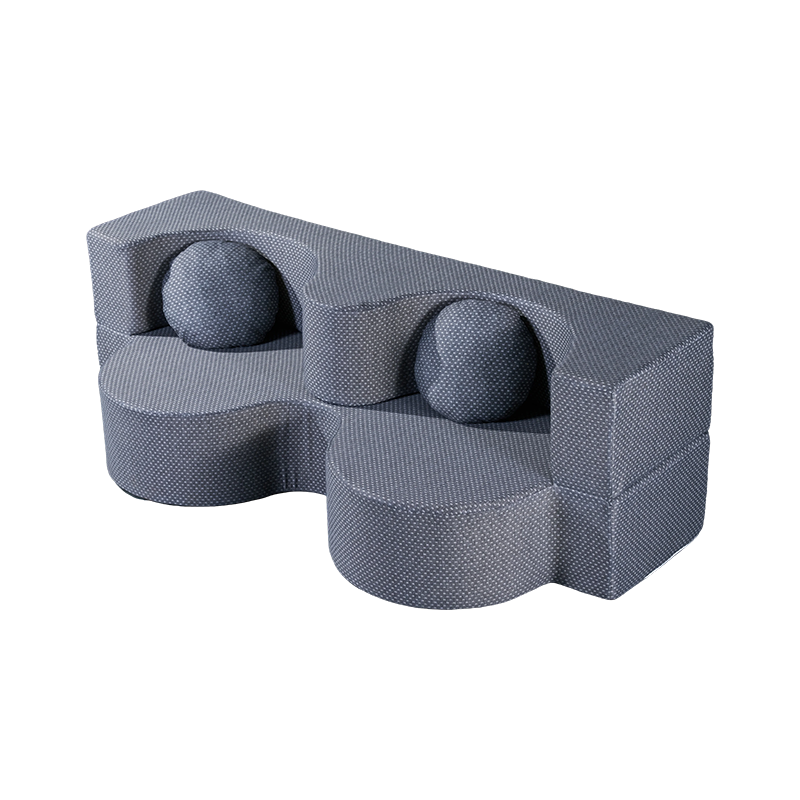
A Single Seater Round Sofa can create this balance through its individual form and softer shape. One person can sit comfortably without taking over the entire seating area for themselves. At the same time, several individual seats can get arranged around a central table or open space together.
This arrangement can work well for conversation among a group. People can face each other, instead of sitting in a long line staring at a screen. It can also support different activities happening at the same time, such as reading, talking, working, or watching something on a tablet.
The idea of personal seating also connects with the changing expectations of home comfort people have now. People may want a private corner for a few minutes without leaving the shared living environment entirely.
A One Seater Round Sofa can therefore act as both personal furniture and part of a larger arrangement in the room. Its value comes from how easily it can interact with other pieces around it.
Furniture planners can use this flexibility to create different zones without adding walls between them. A group of individual seats can mark the living area while leaving pathways open around it for people to move through.
The result is a room that feels organized without looking overly structured or stiff. This proves particularly useful in apartments and homes where several functions need to coexist in a limited footprint.
What Can Sofa Design Learn From Simple One-Handed Operation?
Ease of use is a genuinely important idea across many product categories, not just furniture. People tend to appreciate products that work naturally without requiring unnecessary steps to figure out.
One-handed seasoning provides a fairly simple example of this principle in the kitchen. A gravity-based grinder can allow a person to season food through a natural hand movement while cooking. This proves useful while cooking, since the other hand may already be holding a spoon, pan handle, or ingredient at that exact moment.
Cooking convenience is closely connected with this type of design thinking. The user doesn't need to stop the cooking process and perform a separate task off to the side. The action becomes part of the normal rhythm of preparing food at the stove.
The same thinking can apply to furniture in a living room. A sofa should support easy sitting, standing, moving, and rearranging without a fuss. Its form should work with the user's natural movements, instead of creating unnecessary obstacles in the way.
This doesn't mean a sofa needs complicated moving parts built into it. In many cases, simplicity comes from the shape itself, not added mechanisms. A rounded seat can make access feel more open, while a separate one-seat design can make repositioning a lot easier when needed.
The tabletop experience also offers a useful comparison here. When a Salt and Pepper Gravity Grinder gets placed near a dining or kitchen table, its value comes from being easy to reach and simple to operate without looking for it. Its position becomes part of the user's routine without much thought.
Furniture can work in a similar way in the living room. A small round sofa placed near a coffee table can support reading, conversation, drinks, or casual meals throughout an evening. The relationship between the seat and table can be just as important as the sofa itself sitting there.
How Does a Round Sofa Work With Tables and Other Furniture?
The relationship between seating and tables can shape the usefulness of an open living area quite a bit. A sofa that looks attractive on its own may feel a lot less practical if people can't easily reach the table or move around it comfortably.
Round furniture often gives designers more freedom when arranging these relationships in a room. A curved seat can sit around a small table without creating the rigid appearance associated with rows of furniture lined up.
This is where the tabletop experience becomes genuinely relevant to the whole layout. People often use tables for a lot more than placing objects down. They may eat, drink, read, prepare food, work, or display small household items on that same surface.
A nearby round sofa can make these activities a lot more comfortable to do. The user can sit close enough to interact with the table while still maintaining some personal space of their own.
The same principle appears in cooking spaces too. A grinder used for salt or pepper is useful when it can be reached easily during food preparation at the counter. One-handed seasoning becomes convenient because the product fits into the surrounding workflow already happening.
In an open living area, the sofa can also become part of that same workflow. A person may move from the kitchen to the dining table and then into the seating area, without crossing a confusing furniture arrangement blocking the path.
This suggests that furniture planning should consider movement between objects, rather than evaluating each product separately on its own. A sofa, table, storage unit, and lighting arrangement should work together as one connected setup.
What Materials and Upholstery Choices Support Modern Round Sofa Design?
The material of a round sofa affects both appearance and everyday use quite directly. Rounded forms often expose more of the upholstery surface, so texture and finish can become genuinely important parts of the visual design.
Soft fabrics can create a relaxed appearance in the room, while smoother surfaces may give the furniture a cleaner look instead. The choice should match the way the room actually gets used, rather than follow a temporary style preference that fades in a year.
Color also influences how a rounded sofa interacts with an open room around it. Neutral shades can help the sofa blend into several areas of the home, while stronger colors can make it a clear visual feature that draws the eye.
Comfort remains another genuinely important consideration in the whole decision. A sofa should support the body naturally during normal use, day after day. The seat should feel suitable for the activities people are likely to perform there regularly.
This proves especially important for single seating pieces. A Single Seater Round Sofa may get used for reading or quiet relaxation more often than a larger shared sofa does. Its proportions and upholstery should therefore support longer periods of personal use without discomfort.
Manufacturing consistency also matters quite a bit when multiple individual seats get purchased for the same space. Differences in shape, surface appearance, or finish can become noticeable once several pieces sit together in the same room.
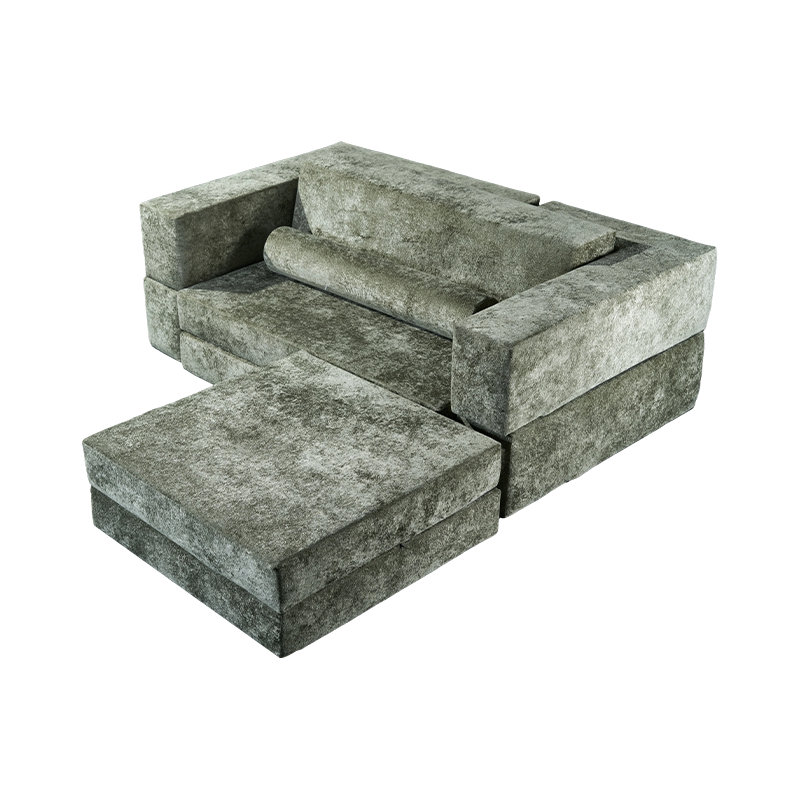
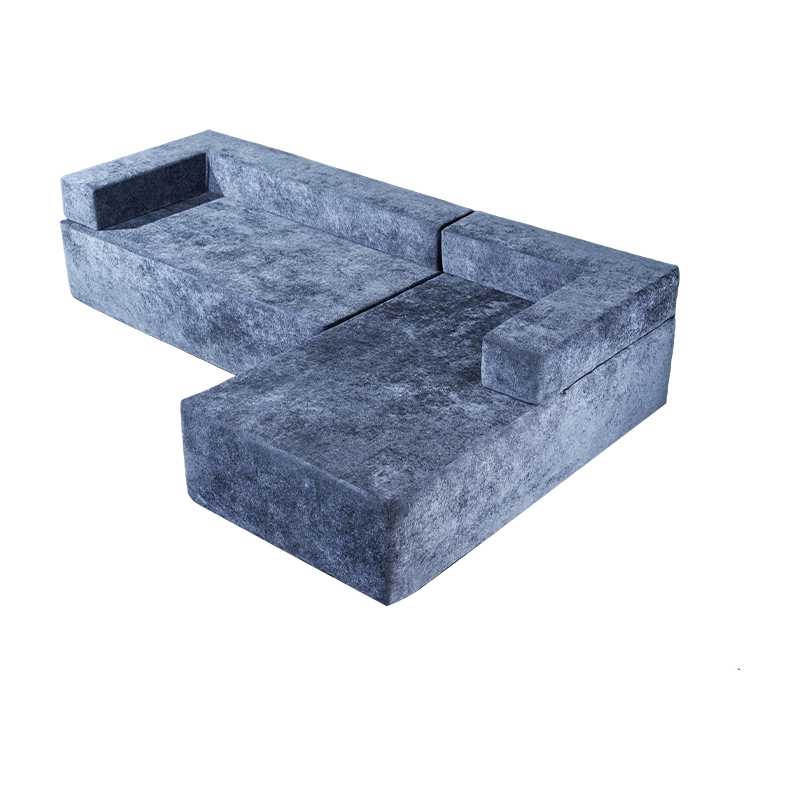
A Compressed Sofa Factory may focus on production methods that support easier handling and transportation to the buyer. That said, buyers should still consider the final appearance and comfort after the furniture is installed and arranged in its intended space at home.
The practical question isn't simply how a sofa looks when it's brand new. It's how the material, shape, and finish fit the room's everyday use over the years ahead.
How Can Buyers Evaluate a Round Sofa for an Open Living Area?
Buying decisions become a lot easier when the sofa gets considered as part of the room, not in isolation. Looking only at the product itself can overlook important issues related to movement, placement, and daily activities happening around it.
A simple evaluation can begin with several questions worth walking through before buying.
| Consideration | Practical Question |
|---|---|
| Room position | Where will the sofa sit within the open area? |
| Movement | Can people walk around it comfortably? |
| Social use | Does the arrangement support conversation? |
| Table relationship | Is the seat easy to use with nearby tables? |
| Comfort | Does the shape suit the intended activity? |
| Visual balance | Does the sofa fit with other furniture? |
| Flexibility | Can the seat be moved when the room changes? |
| Maintenance | Is the surface suitable for everyday household use? |
These questions can help buyers compare furniture based on actual use, rather than appearance alone in a showroom photo. They're also useful for furniture retailers and project buyers who need to select products for different room layouts across various homes.
The number of seats is another point worth considering here. Several individual round seats may offer more flexibility than one large sofa when the room has multiple activity zones scattered around it.
A compact seat can also prove useful when space changes over time, like after a move or a renovation. Furniture that can move with changing needs may remain useful for longer than a product designed for one fixed arrangement forever.
Buyers should also consider how the furniture will arrive and get placed inside the home once it's delivered. Packaging and handling can affect the installation process, especially in buildings with narrow entrances or limited elevator access.
These practical details may seem separate from design at first glance, but they influence the complete furniture experience from delivery day onward.
How Are Manufacturers Responding to Changing Living Habits?
Furniture manufacturing is increasingly connected with changing patterns of home use across different generations. People want products that look suitable for modern interiors while also supporting practical daily routines they actually live by.
Round sofas are part of this broader shift happening in the industry. Their softer shape can suit open rooms, flexible layouts, and more informal social arrangements that don't follow old formal rules.
Single-seat products can also help manufacturers respond to different space requirements across various homes. Instead of offering only large fixed seating, producers can develop pieces that work individually or as part of a larger combination depending on the buyer's layout.
For factories, this creates a need to balance design flexibility with production efficiency on the line. Materials, upholstery, assembly, packaging, and handling all influence how easily a new sofa concept can move from design to market without delay.
A Compressed Sofa Factory may also approach furniture with transportation and storage in mind from the start. Compact packaging can make handling easier for shipping, but the final product still needs to deliver the intended shape and comfort once it's unpacked and placed in the room.
This is similar to the wider product-design principle seen in simple kitchen tools people already own. A gravity-based grinder succeeds as an everyday object when its operation feels natural and fits the cooking process already underway. The design doesn't need to distract from the activity happening at the stove.
Modern furniture can follow the same direction in how it gets designed. Its purpose isn't simply occupying space in a room but supporting the way people actually live within that space day to day.
As open living areas continue to combine cooking, dining, relaxing, working, and social activities under one roof, furniture design has more opportunities to connect these functions together. A rounded seat can become one small part of that larger interaction, especially when its shape, comfort, placement, and everyday usability get considered together as a whole.
 Previous